US Oil Rig Count Falls as Drillers Show Discipline Near $96
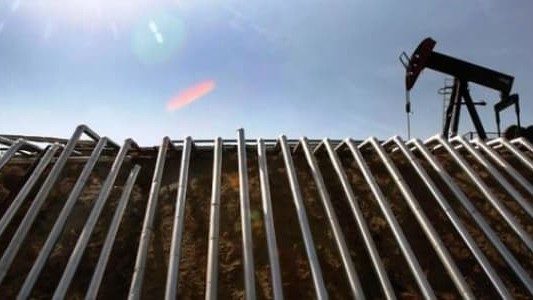
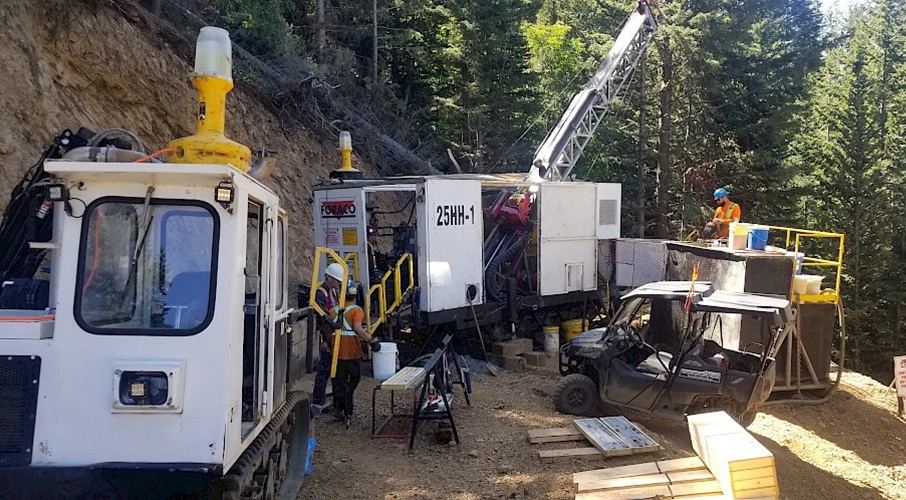
US oil drillers pulled back on rigs and fracking crews this week despite crude prices hovering near $96, signaling that producers are prioritizing capital discipline over volume growth.
The US oil rig count dropped by two to 450 this week, according to Baker Hughes data released Friday. The overall domestic drilling fleet contracted slightly, with total oil and gas rigs falling to 587. While gas rigs added one to reach 127, five more than this time last year, oil-focused drilling took a step back.
The decline in active rigs is mirrored in well completion rates. Primary Vision’s Frac Spread Count, which estimates the number of crews finishing wells, fell by four to 196 in the week ending July 17. This follows a drop of five crews in the prior week, indicating a sustained pullback in the final stages of bringing new supply online.
This operational restraint is already translating into marginally lower output. US crude production averaged 13.798 million barrels per day in the week ending July 17, down from 13.861 million bpd the previous week, according to the Energy Information Administration. While output remains 525,000 bpd higher than a year ago, the weekly dip aligns with the reduced drilling and completion activity.
The pullback was most notable in the Permian Basin, the nation's most prolific shale play, where the rig count slipped by one to 258. That figure is now two rigs below year-ago levels. Meanwhile, the Eagle Ford basin held steady at 47 rigs, maintaining an eight-rig advantage over last year.
The retreat in drilling occurs as crude prices pull back from recent highs. Brent crude fell 4.70% on Friday to trade at $95.96 per barrel, while WTI dropped 4.22% to $88.30. For investors, the combination of prices still up more than $8 from a week ago and contracting rig counts reinforces the thesis that shale executives are prioritizing capital returns over aggressive volume growth.