Dual blockades push oil toward $100 as supply chains fracture
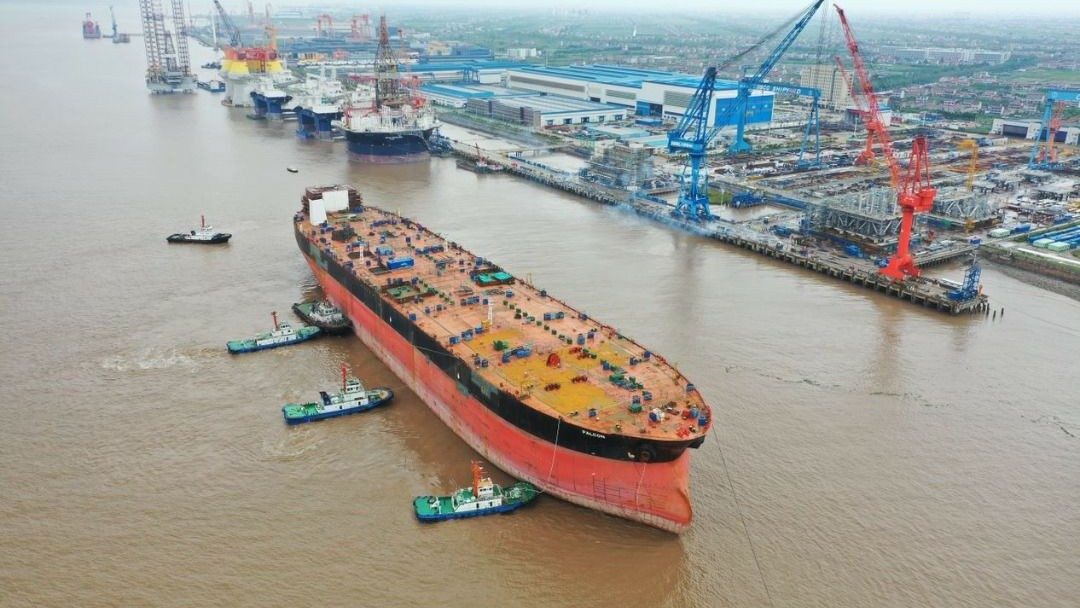
Simultaneous disruptions at the Strait of Hormuz and Bab el-Mandeb are tightening global energy flows, forcing refiners to reroute vessels and driving oil prices sharply higher.
ICE Brent and WTI crude jumped $10 this week as simultaneous blockades at the Strait of Hormuz and the Bab el-Mandeb choke off critical global oil flows. The physical market is tightening fast, with deprived refiners expected to push prices back above $100 per barrel.
The shipping disruptions are compounding rapidly. Yemen’s Houthis attacked two Saudi tankers in the Red Sea, damaging the Encelia and Layla and forcing shipowners to divert vessels around Africa. While Chinese tankers Xin Long Yang and Cosnew Lake recently braved the Bab el-Mandeb, the broader drop in Hormuz transits remains the primary driver of the price spike.
The supply crunch is also paralysing liquefied natural gas markets. QatarEnergy has extended force majeure declarations on Asian LNG deliveries and will continue leasing out carriers through October as the Hormuz closure drags on. Against this backdrop, OPEC+ is still expected to raise September output targets by 188,000 barrels per day at its August 2 meeting, proceeding with the full unwind of its 1.65 million b/d in voluntary cuts.
The energy chaos is bleeding into industrial metals, bolstered by waning hopes for an Iran ceasefire and new US trade barriers. Copper rose to a one-month high of $13,835 per tonne on tight Chinese inventories. In a potential supply-side shift, Panama is considering a state-owned company to reopen the Cobre Panama mine, which accounts for 1.5% of global output, possibly granting an operating stake to previous owner First Quantum.
European energy logistics face a separate crisis. Spain moved to bolster security by striking a deal with Algeria to push Medgaz pipeline flows to 12 bcm per year and expand LNG imports. However, water levels on the Rhine are forecast to drop to a critical 30cm in early August, threatening to halt barge navigation and disrupt fuel and chemical deliveries across Central Europe.
Broader macroeconomic policies are adding friction. The Trump administration will impose new 10-12.5% tariffs on 60 trading partners, including the EU, under the banner of forced labor enforcement, explicitly exempting oil, gas and fertilizers. In response to ongoing geopolitical tensions, the EU agreed to its 21st Russia sanctions package, extending the Russian oil price cap by 12 months.