Meta, Broadcom Rally on AI Monetization as Oil Spike Weighs on Dow
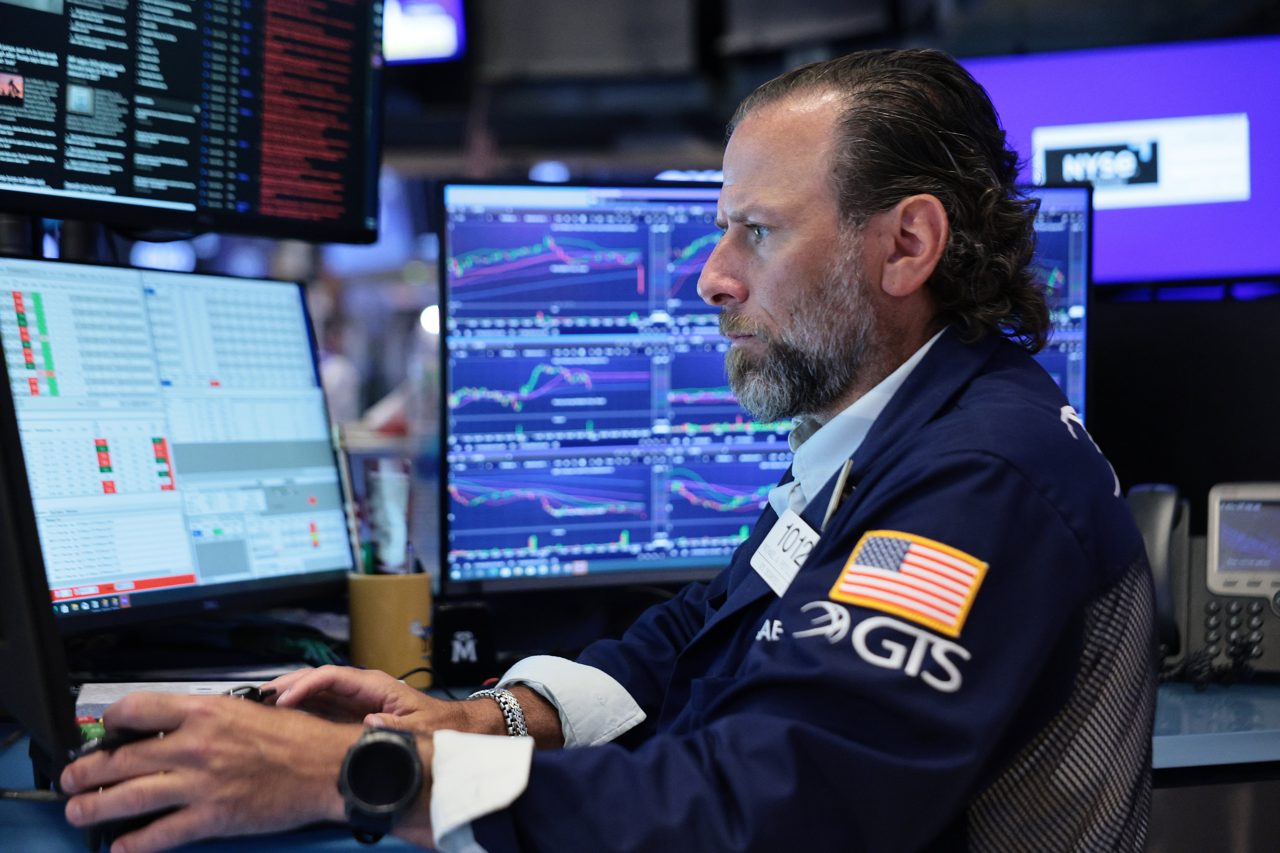
Surging valuations for AI infrastructure and Meta's new cloud ambitions pushed the Nasdaq and S&P 500 higher, but escalating U.S.-Iran tensions and a crude price spike dragged the Dow lower and threatened the outlook for Federal Reserve rate cuts.
The Dow Jones Industrial Average closed the week down 0.5% after briefly crossing 53,000 on Monday. The blue-chip index succumbed to a sharp rise in crude prices following U.S. military strikes on 90 Iranian targets. Conversely, the tech-heavy Nasdaq climbed 1.74% and the S&P 500 added 1.23%, marking their fourth positive week in five.
This divergence underscores a market wrestling with two competing forces: the tangible monetization of artificial intelligence versus the sudden reappearance of geopolitical inflation risks. A jump in WTI crude back to $76 a barrel pushed the 10-year Treasury yield to its highest level since May. This move effectively dampened market expectations for multiple Federal Reserve rate cuts later this year.
AI Monetization Takes Shape
Meta Platforms surged 15% as it detailed how it will convert massive AI investments into revenue. The social media giant confirmed plans to launch a cloud business selling excess computing power, competing directly with Amazon Web Services and Microsoft Azure. "The offers that you get for using the compute are so high that it may make sense, in some cases, to rent out or consider those kind of deals instead of your own internal uses," CEO Mark Zuckerberg told Bloomberg.
The company also signaled a strategic shift away from purely open-source AI by launching Muse Spark 1.1, a coding model it will charge developers to access. To support this expansion, Reuters reported that Meta will begin manufacturing a custom AI chip in September. Co-designed with Broadcom and built by TSMC, the chip is intended to double Meta's computing capacity next year while reducing its reliance on Nvidia and AMD.
Broadcom emerged as a major beneficiary of the AI buildout, rising 10% for the week. Apple announced a multiyear deal expected to exceed $30 billion to produce more than 15 billion U.S.-made chips, alongside a $1.5 billion expansion of Broadcom's Colorado facility. A separate securities filing revealed Broadcom will supply Apple with custom ASIC silicon products for multiple product generations.
Semiconductor Volatility Persists
Despite the broader tech gains, semiconductor stocks experienced sharp swings throughout the week. The VanEck Semiconductor ETF dropped nearly 4% on Tuesday following weak Samsung results and reports that China's DeepSeek is developing its own AI chip. The sector stabilized later in the week, with Nvidia rising 4% on Friday to close at $210.96, its highest in almost a month.
Friday's focus shifted to SK Hynix, which opened at $170 in its U.S. market debut, roughly 14% above its $149 offering price. Meanwhile, some investors used the mid-week volatility to exit positions in high-flying chip names. One portfolio notably locked in a roughly 69% gain on Arm Holdings shares purchased in April, citing the stock's susceptibility to wild swings.
Energy Costs Ripple Through Markets
The escalation in the Middle East created clear winners and losers outside the tech sector. Energy producers like ConocoPhillips, Chevron, and Marathon Petroleum rallied as a Strait of Hormuz attack reignited supply fears. However, companies exposed to rising fuel costs and borrowing rates suffered.
Honeywell Aerospace posted significant losses on fears that higher oil prices would dampen air travel and reduce lucrative aftermarket maintenance demand. Home Depot also lagged as elevated Treasury yields continued to pressure the U.S. housing market and delayed a recovery in home improvement spending. DuPont fell as investors weighed higher energy input costs and the risk to its water unit's business in the Middle East.