Insurers Cut Oil Project Premiums by 25% Amid Middle East War
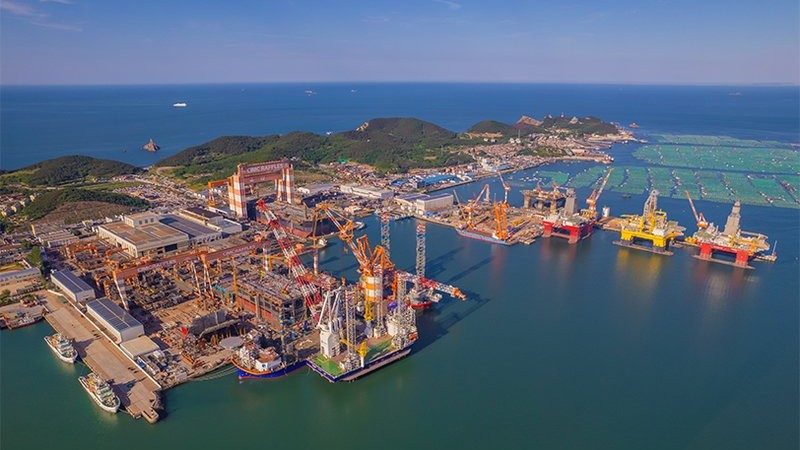
Global insurers are slashing upstream oil and gas premiums by up to a quarter to capture underwriting business as major energy companies redirect billions in capital away from the Middle East conflict zone.
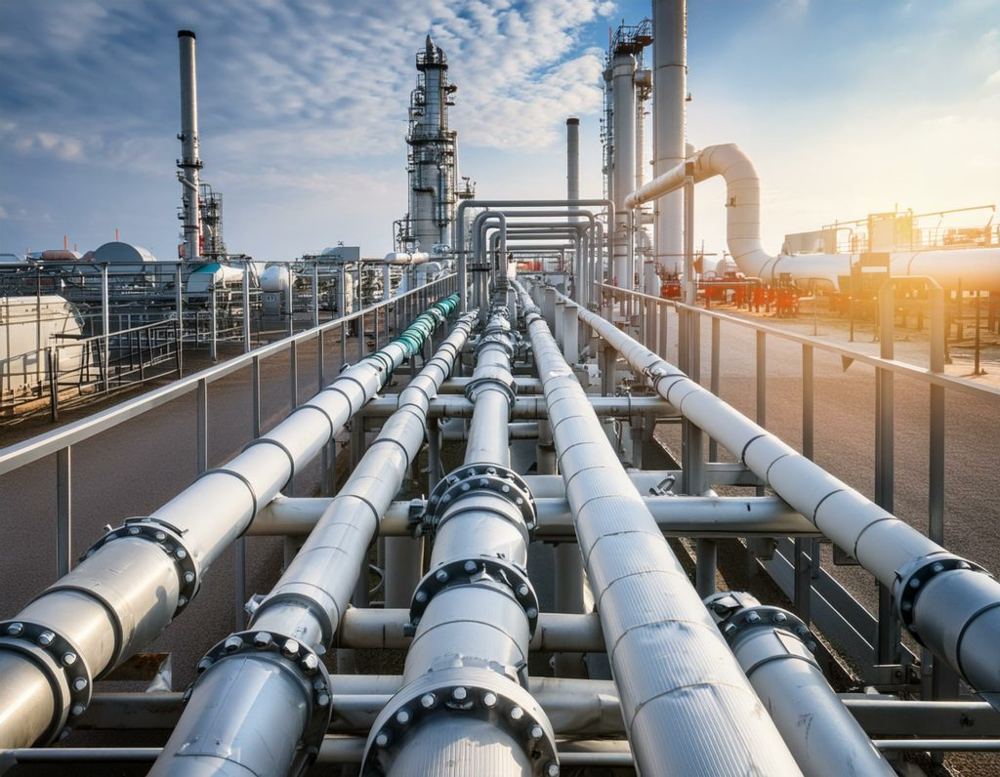
Insurance premiums for upstream oil and gas projects outside the Middle East have fallen by about 25% since the start of the year as underwriters rush to capture a shrinking pool of non-conflict developments. The pricing collapse, which sees some insurers cutting rates by as much as 50% even at a short-term loss, follows the outbreak of the Iran war in late February. With the world’s lowest-cost producing region now an active war zone, insurers are aggressively competing to cover projects away from the Strait of Hormuz and other Middle Eastern chokepoints.
“Upstream [energy] has been a very profitable sector for the market for a number of years,” said Rupert Mackenzie, a natural resources insurance broker at WTW. “The view from insurers is, this is a sector which they would like to have ongoing exposure.” In its April Energy Market Review 2026, WTW noted that “ratings are ‘through the floor’”, with “15-20% reductions are available for core upstream risks with clean loss histories and substantial premium on the slip, with 40%+ reductions still observed in exceptional cases.” The report added: “The overarching pricing trend is unmistakable: even after a decade of softening, the market is still finding new downward territory.”
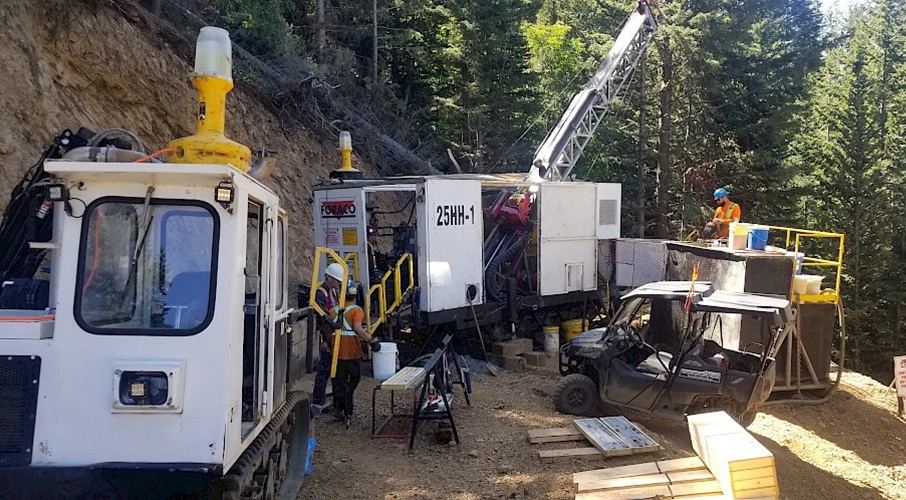
This capital flight is directly reshaping corporate spending across the energy sector. Major oil companies are minimizing losses from curtailed Middle East production by accelerating high-impact exploration in geopolitically stable basins. Exxon and Chevron are doubling down on offshore Guyana, while Chevron is simultaneously expanding its footprint in Venezuela to boost exports to the United States.
Exxon is directing billions of dollars toward Nigeria’s deepwater fields, progressing the $7-$8 billion, billion-barrel Owowo project. Hunter Farris, ExxonMobil’s Senior Vice President, Deepwater, said the company is “looking into an FID as early as next year.” Separately, Exxon and its partners committed $1 billion this month to the Usan Infill Project to unlock 40,000 barrels per day within 18 months. The Nigerian Upstream Petroleum Regulatory Commission noted this “signifies renewed interest and hope in Nigeria being Esso’s first major deep water project in the country since 2016.”
Shifting Exploration Capital
Other majors are following similar strategies. BP acquired stakes in three offshore Namibia blocks in April, joining Shell and TotalEnergies in the highly prospective region. TotalEnergies also signed an exploration agreement with Türkiye Petrolleri Anonim Ortaklığı to evaluate Black Sea opportunities, while international shale prospects in Argentina, China, Turkey, and Australia are drawing increased interest.
For investors, the strategic pivot carries clear financial implications. An April analysis by Wood Mackenzie calculated that the industry generated $54 billion in value between 2021 and 2025 after deducting $97 billion in exploration spending, assuming a long-term Brent price of $65 per barrel. If Brent holds at $85 per barrel, that value creation more than doubles to $120 billion. As insurers price risk outside the Middle East at historic lows, the economics of non-conflict upstream developments are becoming significantly more attractive for institutional capital.