Goldman Sachs backs US crypto bill as bank deposit fears linger
Senate Republicans are pushing the Clarity Act toward a floor vote with new ethics provisions, winning Goldman Sachs's support while traditional banks warn that stablecoin yields could drain their deposit bases.
Senate Republicans circulated new text for the Clarity Act this week, paving the way for a potential floor vote on the comprehensive digital asset regulation. The updated draft follows months of negotiations at the White House involving banking representatives, regulators, and crypto industry leaders. The House of Representatives has already passed the legislation.
The core tension for financial markets lies in the bill's treatment of stablecoins and the yield they might generate. Banking representatives have warned that allowing crypto companies to pay rewards on these tokens could trigger a severe migration of customer deposits. If funds leave traditional banks, executives argue they will lose the foundational capital required to lend to U.S. businesses.
Despite those systemic risks, Goldman Sachs chairman and CEO David Solomon publicly backed the bill on Thursday. His endorsement signals that at least some major financial institutions see more opportunity than threat in the proposed regulatory framework. It also highlights a growing divide within the banking sector over how to handle digital asset competition.
To mitigate political backlash, the Senate GOP’s updated text includes ethics provisions that ban federal officials and their families from issuing or promoting crypto. The clause directly responds to criticism over the Trump family’s digital asset ventures, such as the TRUMP meme coin and the World Liberty Financial project. President Trump campaigned on supporting the crypto industry, and the White House has consistently denied any conflicts of interest.
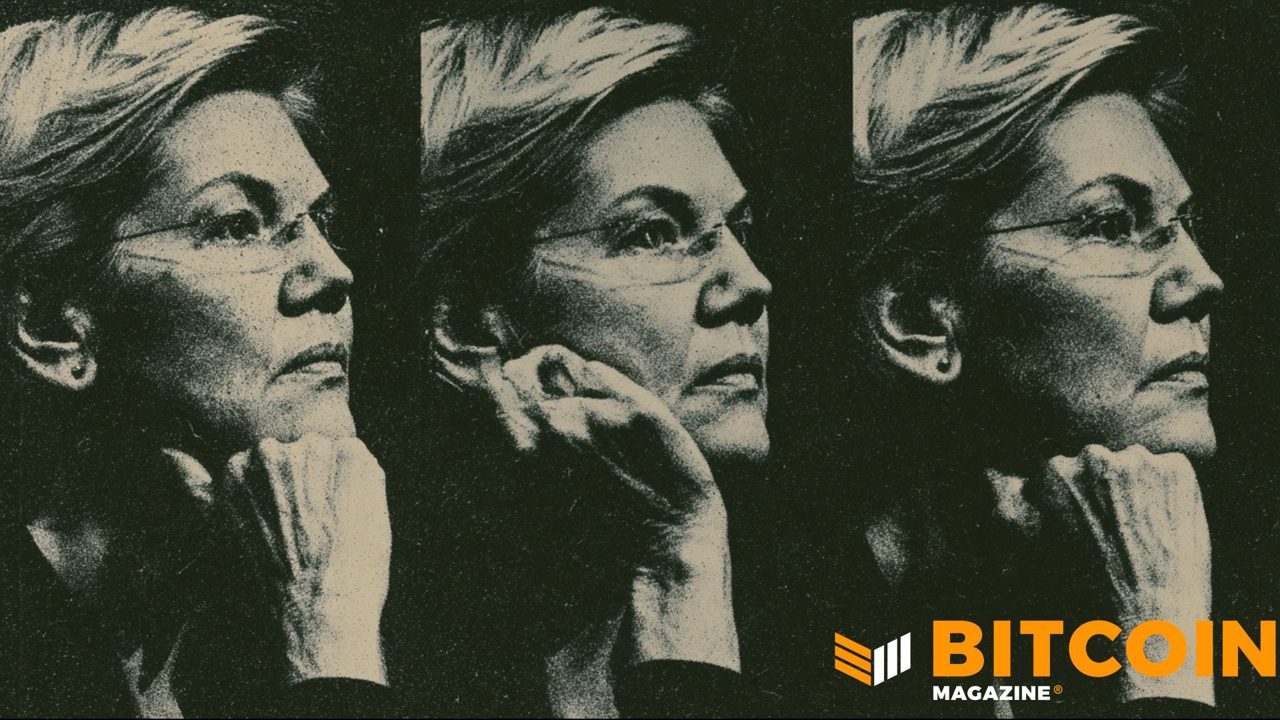
Those ethics provisions did not satisfy Democratic Senator Elizabeth Warren, a long-time crypto critic who has previously highlighted billions in potential tax dodging. In a video statement on Wednesday, she claimed the legislation would make it easier for “criminals, oh, and cartels and terrorists to move money and finance their operations.” She also alleged the bill fails to stop Donald Trump from profiting off the presidency.
“This isn’t regulation, this is a giveaway. This bill should be dead on arrival,” Warren added. However, her critique overlooked the specific ban on officials sponsoring digital assets that was added to the new draft.
The impending Senate floor vote represents a pivotal moment for US crypto regulation. For investors and executives, the legislation's fate will determine whether stablecoins become a regulated part of the financial system or remain a contested frontier that threatens traditional bank deposits.