Guatemala nears $154m highway handover in PPP test for investors
Guatemala is set to hand over its first public-private partnership highway this month, a $154 million upgrade that officials hope will attract foreign capital to the country's underfunded infrastructure sector.
A private consortium is due to hand over a 41-kilometre highway upgrade this month, marking Guatemala’s first completed infrastructure public-private partnership. The project rebuilds a stretch of the CA-9 South highway between Escuintla and Puerto Quetzal, the country’s main Pacific port, with the contracted construction phase set to close by the end of July.
The deal’s primary significance for international investors lies in its financing structure. The $154 million price tag was funded entirely from external resources, shifting construction and financial risk away from Guatemala's stretched public budget to the private operator. Under the arrangement, the state simply supervises the works and receives the finished asset, while any post-handover disputes will be resolved through arbitration rather than domestic courts.
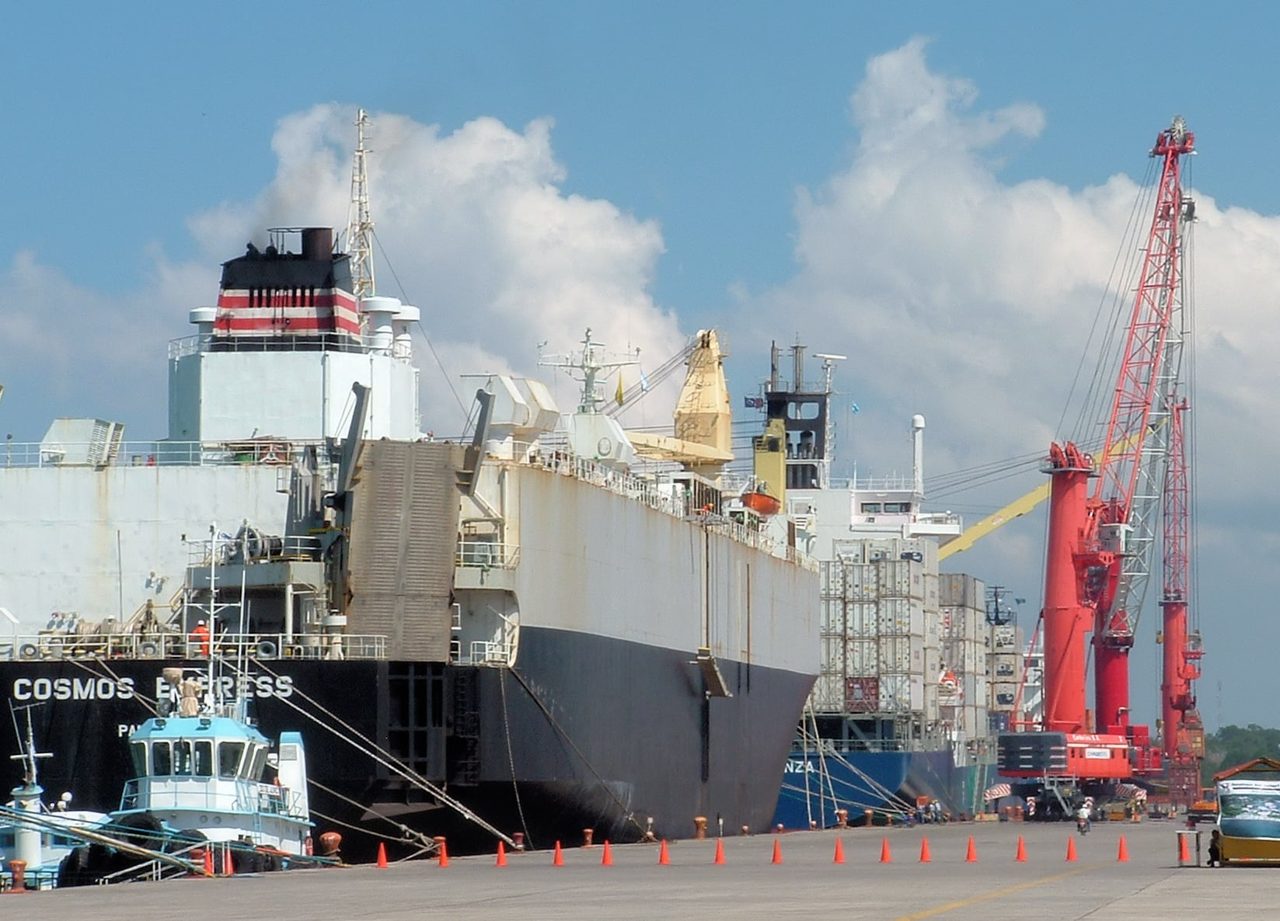
Guatemala has historically underinvested in its transport network, resulting in some of the slowest cargo speeds in the region. The Escuintla-Puerto Quetzal corridor is a critical trade artery, carrying a large share of the freight moving between the capital region and the coast. The physical upgrade raises the road to full motorway standard, adding a third lane in sections alongside grade-separated interchanges, toll plazas and weigh stations.
Officials view the highway as a proof of concept for a financing model that remains rare in Guatemala compared to regional peers. The government’s infrastructure agency has joined a regional public-private partnership network run by a major development bank to import best practices, aiming to build a pipeline of future deals. The administration of President Bernardo Arévalo fast-tracked the works early in its term to signal that this nimbler investment model can function in the local market.
Execution has not been without friction. Construction began in 2024 after years of delays, with officials acknowledging challenges over land rights and bridge works along the route. Despite these hurdles, hundreds of local workers are already employed on the site.
Over the 25-year contract, the consortium projects the road will generate up to 20,000 direct and indirect jobs across construction, logistics and hospitality. Supervisors must now verify the finished works against the contract terms before the operational phase begins.