Shariah ruling on crypto payments tests Pakistan’s new market framework
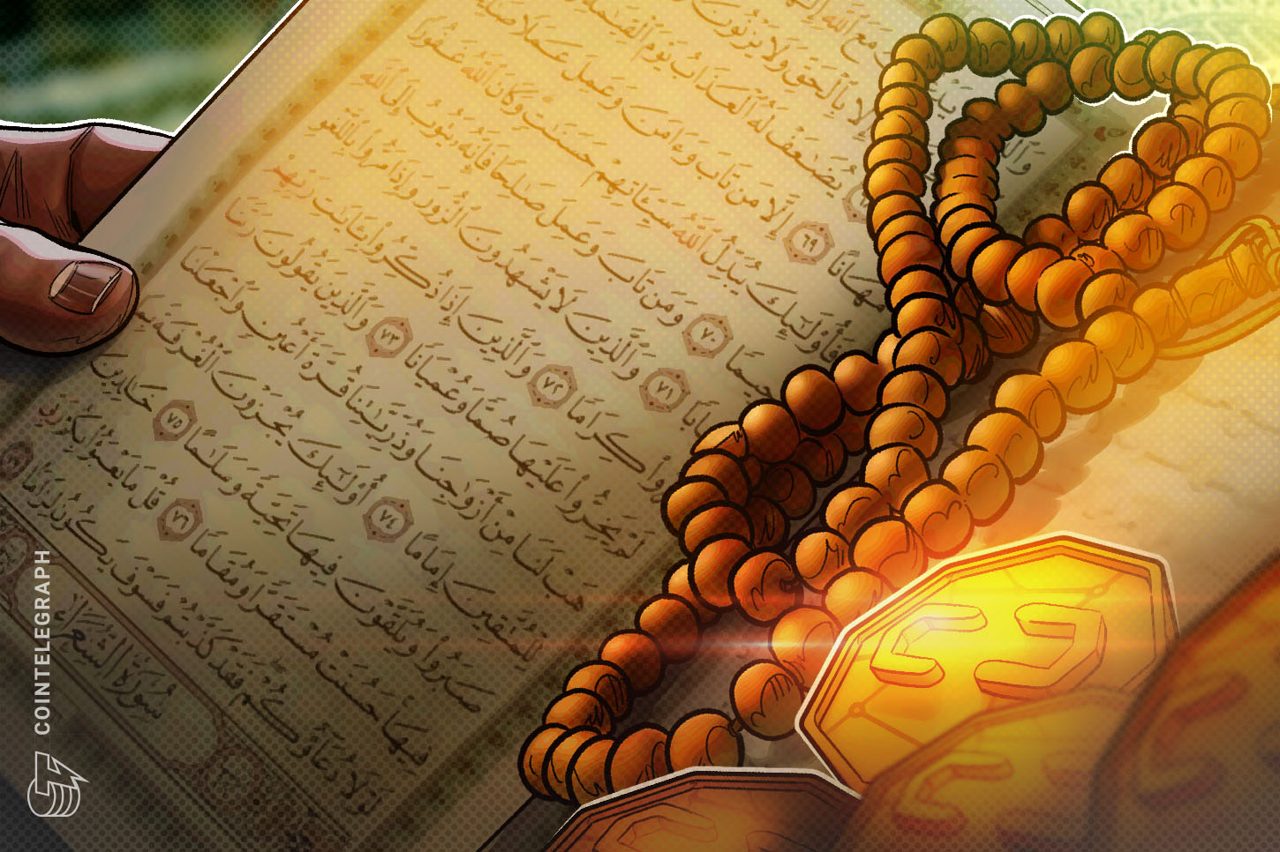
Pakistan's effort to establish a licensed crypto market faces a significant hurdle after a prominent Islamic scholar ruled that digital token payments are prohibited, creating compliance uncertainty for incoming service providers.
Pakistan’s virtual assets regulator is pushing for further discussions with Islamic scholars after a prominent seminary issued a ruling that bans purchases made with cryptocurrencies.
Mufti Taqi Usmani and five other scholars at Jamia Darul Uloom Karachi signed a legal ruling on Friday stating that crypto transactions, including those using stablecoins like USDT, are not permitted. The scholars determined that digital tokens do not qualify as recognized property or wealth under their interpretation of Islamic law.
Bilal bin Saqib, chairman of the Pakistan Virtual Assets Regulatory Authority (PVARA), met with Usmani on Saturday but did not directly challenge the religious edict. Instead, Saqib argued that digital assets represent a broad spectrum of technologies requiring differentiated treatment rather than a blanket prohibition. “I shared that blockchain, digital assets, stablecoins, and tokenized real-world assets represent a broad spectrum of technologies and use cases,” Saqib said.
The religious verdict introduces immediate strategic friction for global virtual asset service providers (VASPs) targeting Pakistan. The market is in the early stages of opening after the passage of the Virtual Assets Act 2026 in March, which established PVARA as the statutory body for licensing and oversight.
On April 15, the State Bank of Pakistan ended an eight-year restriction by allowing regulated banks to open accounts for PVARA-licensed VASPs. This banking access is a fundamental prerequisite for any exchange or digital asset firm looking to operate legally and process fiat on-ramps in the country.
However, religious compliance is an equally critical requirement for commercial viability in Pakistan. According to the 2023 census, 96.35% of the country's 231.7 million people identify as Muslim. A prohibition on crypto payments endorsed by high-profile scholars could severely suppress retail adoption and limit the addressable market for licensed platforms.
Saqib emphasized the shared goal of protecting Pakistanis from fraud, exploitation and financial harm. He urged scholars, regulators and industry participants to continue analyzing distinctions among digital-asset categories. The regulatory chief noted that the sector needs “careful technical assessment alongside rigorous Shariah examination, rather than being viewed through a single lens.”