Peru uses diplomats to expand its $9.5m pisco export market
Peru is training its diplomatic corps to promote and protect its national brandy abroad, aiming to reduce reliance on just two key buyers and capture premium spirits demand.
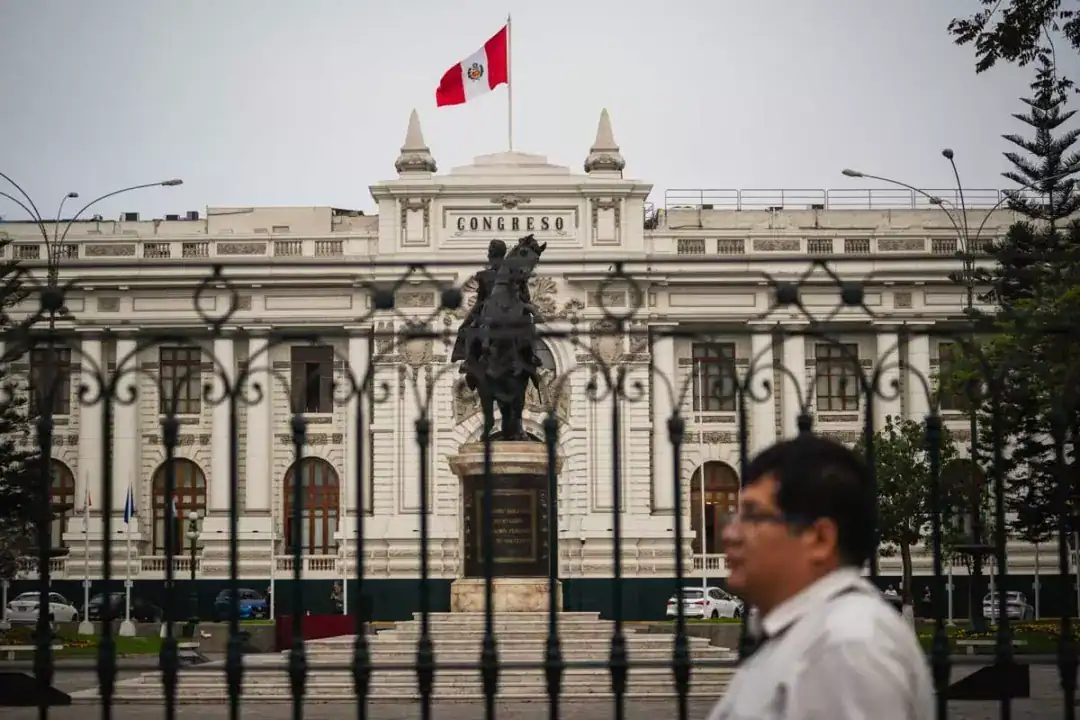
Peru has renewed a partnership between its foreign ministry and the Association of Exporters (ADEX) to turn its diplomatic corps into sales representatives for pisco. Under the initiative, diplomats taking up overseas posts are being trained explicitly to promote the clear grape brandy and defend its protected denomination of origin in foreign markets.
The diplomatic push targets a niche but rapidly expanding trade line. Pisco exports have surged from under $500,000 in 2005 to roughly $9.5 million in 2025, representing nearly a twentyfold increase. The spirit now reaches about 40 international markets, a significant widening from 27 markets two decades ago.
Despite this growth trajectory, the sector carries a distinct concentration risk. Early in 2026, the United States and the Netherlands together absorbed nearly half of all Peruvian pisco exports by value, with the US alone representing roughly 41 percent. Officials view this heavy reliance on two dominant buyers as a strategic vulnerability.
To mitigate that risk, Peruvian missions are actively shifting their promotional geography. While Europe currently hosts the highest volume of pisco events, trade officials are prioritising rising consumer curiosity across Asia and Oceania. The objective is to convert early interest in markets like Japan, China, and Australia into repeat, institutionalised demand.
This aggressive market-entry strategy is yielding clear ground against Peru's traditional regional rival. Chile and Peru have argued for decades over the spirit's origins, with both holding internationally recognised protected names. However, Chilean pisco exports fell roughly 35 percent early this year, effectively ceding the international market lead to Peru.
Domestically, exporters are attempting to safeguard these market gains by tightening supply-side controls. Rather than competing on price with mass-market spirits, the sector is targeting premium buyers. ADEX is therefore lobbying the government to establish a dedicated regulatory council that can enforce strict quality standards and crack down on adulterated pisco.
For trade analysts, the policy illustrates how smaller economies utilise existing diplomatic infrastructure to open distribution channels for premium goods. Still, pisco remains a marginal fraction of Peru's overall export economy, meaning this state-backed commercial diplomacy is a long-term structural play rather than an immediate macroeconomic driver.