Exxon Funds Trinidad Deepwater Training to Offset Gas Decline
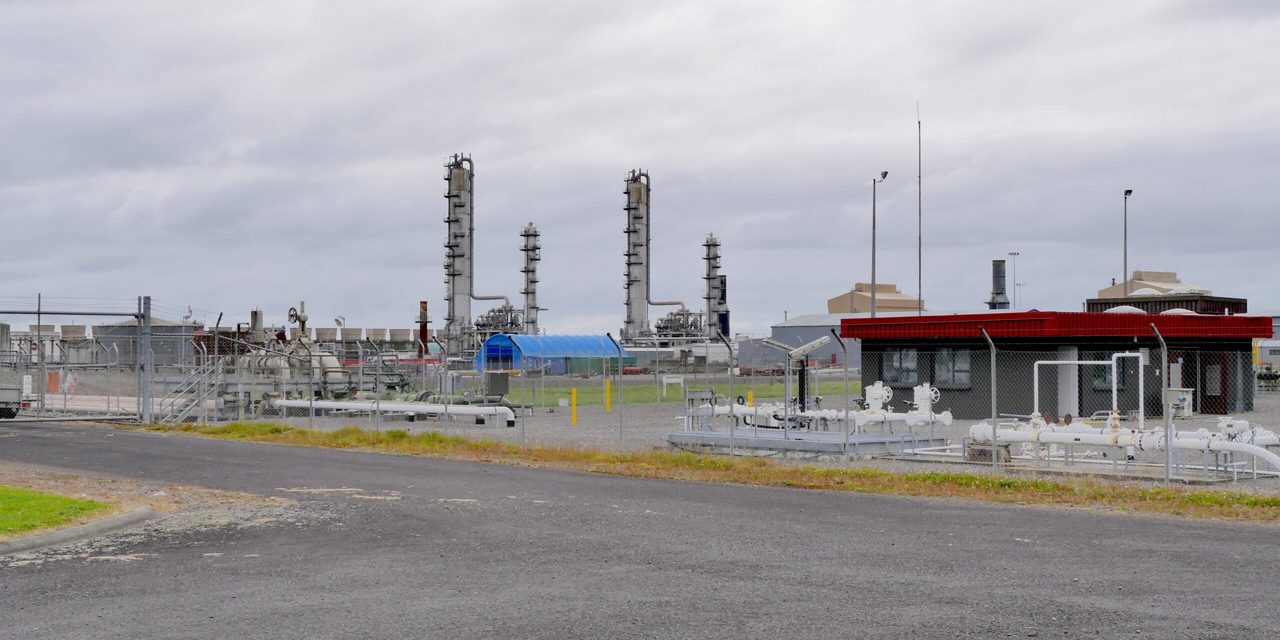
ExxonMobil’s $935,000 investment in local training for its Trinidad deepwater block highlights the country’s urgent push to replace declining gas output and protect its vital petrochemical export sector.
ExxonMobil has allocated $935,000 to train and scholarship Trinidadians during the first year of its production-sharing contract for the ultra-deepwater Block TTUD-1. The American energy major is partnering with Oxy on the frontier block, where it has nearly completed its initial seismic acquisition campaign. The spending is a small but deliberate local-content commitment as the companies prepare to evaluate the acreage’s hydrocarbon potential.
The exploration represents Trinidad and Tobago’s most viable strategy to arrest a sustained decline in oil and gas output from its maturing fields. This fading domestic supply directly threatens the massive liquefied natural gas and petrochemical export plants that form the backbone of the country's wider economy. Without fresh deepwater discoveries to provide new feedstock, these downstream industries face an uncertain future, putting significant export earnings and jobs at risk.
Exxon’s operational focus is now shifting from seismic data collection to interpretation, the analytical phase that dictates where and whether to drill an initial exploration well. Oxy has farmed into the block to share the considerable cost and risk inherent in a multi-year frontier search. The energy ministry has praised the speed of this progress, describing Trinidad as a gold standard for how it negotiates and implements such deals.
Officials credit this rapid timeline to a government energy accelerator hub designed to cut bureaucratic delays. The move mirrors a broader regional pattern across the Guyana-Suriname basin, where international majors increasingly pair early-stage drilling programmes with local workforce development. For foreign investors, this early operational and financial commitment signals that a major operator views the untested acreage as a serious long-term asset.
For the government, the immediate priority is building a local workforce capable of staffing the sector if commercial discoveries materialize. However, the ultimate measure of success will not be training budgets or seismic maps. It will depend entirely on whether Exxon and Oxy actually find the gas needed to sustain Trinidad’s industrial base.