IDB, South Korea back $120m Guatemala grid expansion
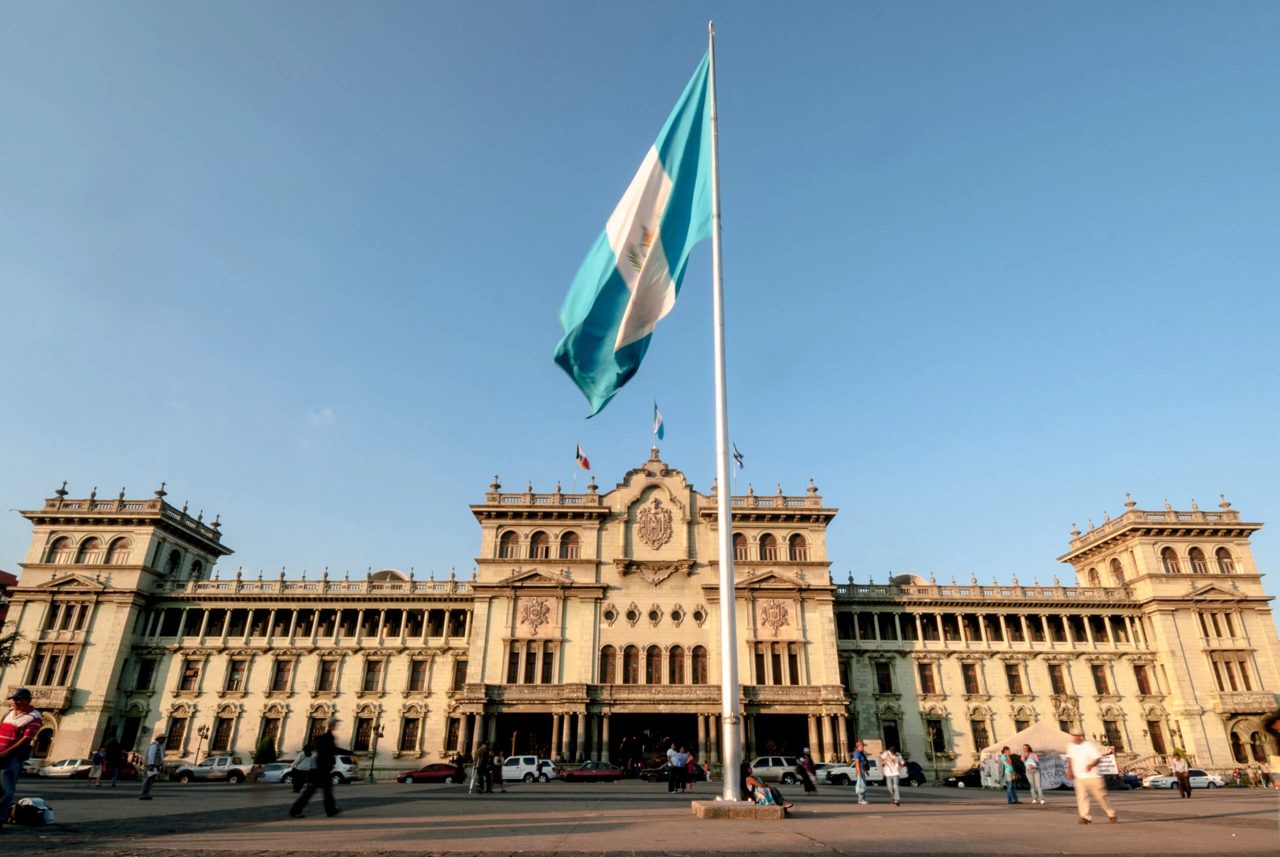
A $120 million loan split between the IDB and a South Korean facility highlights how blended finance is bridging Guatemala's $1 billion rural electrification gap despite severe fiscal constraints.
Guatemala's state power institute, INDE, is evaluating two bids to wire 133 villages in the northern highlands, backed by a $120 million loan approved in late 2024. The tender covers roughly 500 kilometres of medium-voltage line across the departments of Alta Verapaz, Baja Verapaz, Huehuetenango and Quiché. These regions are among the poorest and least-connected in the country.
The financing structure is the core of the story for emerging market investors. The loan is split evenly between the Inter-American Development Bank’s own capital and a South Korean facility for co-financing Latin American infrastructure, which the IDB administers. This blended approach is designed to mitigate risk in a market where the state lacks the fiscal room to act alone.
Guatemala simply cannot fund its infrastructure deficit from its national budget. Reaching universal electricity access would cost an estimated $900 million to $1 billion. The current $120 million injection, to be spent over five years, covers only a fraction of the total requirement.
The country’s electrification rate sits near the bottom of Latin America, ahead of only Haiti and Honduras. In targeted regions like Alta Verapaz, a largely Indigenous area, well over a hundred thousand homes remain unconnected. Some rural municipalities currently have connectivity rates as low as 25 percent.
Procurement in these frontier markets carries distinct execution risks. A first tender launched in August 2025 attracted just a single bidder and was declared unsuccessful in March 2026. Officials subsequently reworked the rules, leading to the two competing offers received in July.
If the revised process holds, future rounds will be similarly large. Officials expect each tender to encompass 125 to 130 communities. Across all phases, the IDB-Korea programme aims to connect 40,000 households, benefiting more than 221,000 people, with further tenders planned into 2027.
INDE is not relying solely on external capital. The state institute is funding dozens of smaller rural projects independently, having connected around a thousand homes in the first half of 2026 alone. A national strategy unveiled this year sets a broader target of universal coverage by 2032.
For institutional capital, the project underscores how bilateral facilities, such as South Korea's, are increasingly using multilateral development banks as conduits to reach deep into rural emerging markets. It is a model likely to be replicated as LatAm governments face similar infrastructure funding gaps.