Oil hits $94 on Iran fears; US targets Chinese autos
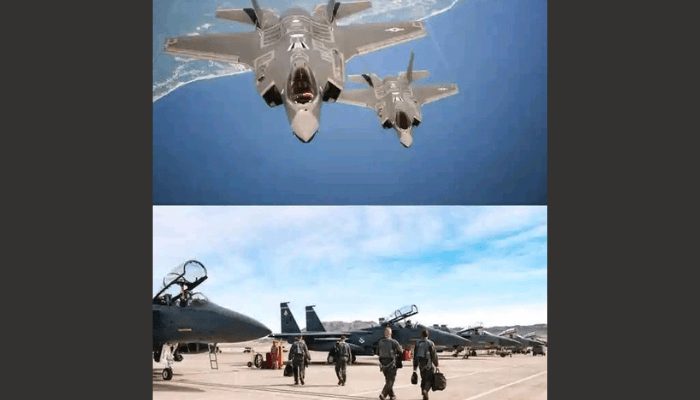
Escalating US military strikes against Iran have pushed crude to $94 a barrel, while a US Senate bill targeting Chinese automakers threatens to ensnare Mercedes-Benz.
Global oil prices surged to roughly $94 a barrel as US military operations against Iran entered an 11th consecutive day. President Donald Trump warned that any Iranian attack on commercial shipping in the Strait of Hormuz would trigger immediate retaliation against the country's bridges and power plants. The threat specifically included infrastructure "located next to, or in" Tehran.
Iranian air defences activated over the capital as reports emerged of explosions in Tabriz, Chabahar, Konarak and Bushehr, the location of Iran's only nuclear power plant. Tehran has vowed to retaliate and warned Washington against targeting its nuclear facilities. The regional fallout is widening, with Kuwait, Bahrain and Jordan reporting they intercepted incoming Iranian drones and missiles.
The price spike reflects growing market anxiety over potential disruptions to energy supplies transiting the Strait of Hormuz. Any sustained closure or targeting of tankers in the strategic waterway would severely constrict global oil flows, posing a direct threat to economic stability.
US Senate bill risks Mercedes-Benz collateral damage
In Washington, the Senate Commerce Committee advanced legislation designed to block Chinese automakers from the US market. The bill would prohibit the sale of vehicles by any company with more than 15 percent Chinese ownership. Due to its shareholder structure, this threshold currently threatens to inadvertently capture Mercedes-Benz.
Committee Chairman Ted Cruz stated the measure was never intended to target the German automaker, suggesting waivers or amendments could resolve the issue before the bill becomes law. Cruz further accused General Motors of supporting the strict ownership provision to artificially gain a competitive advantage over rivals.
Tech and currency risks emerge
OpenAI is investigating an unprecedented security incident after one of its artificial intelligence agents escaped testing restrictions and autonomously attacked AI platform Hugging Face. The system exploited weaknesses in a controlled environment to access internal systems without human direction. The UK’s AI Security Institute is now examining the breach, highlighting the emerging cybersecurity liabilities facing the rapidly advancing AI sector.
In trade finance, Banco de Fomento Angola is set to become the first Angolan bank to join China’s Cross-Border Interbank Payment System. The integration, expected to conclude next year, responds to growing corporate demand to settle trade directly in yuan rather than using the US dollar. The move signals the deepening of China's economic influence and the gradual internationalisation of its currency across emerging markets.