Aksa, AFC back $300M Burkina Faso thermal plant
A $300 million loan for a 119 MW thermal plant in Burkina Faso signals that pan-African and Turkish capital is willing to fund infrastructure in a conflict-affected Sahel state where Western lenders have retreated.
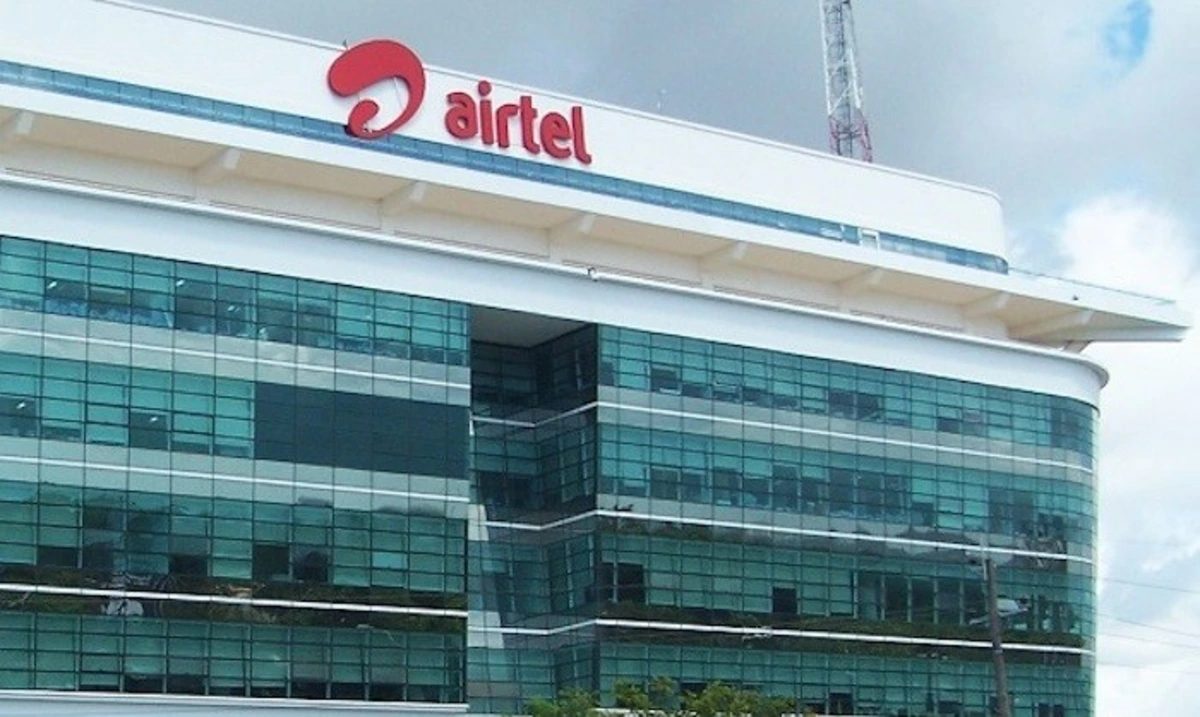
Africa Finance Corporation has reached financial close on a $300 million corporate loan for a 119 MW thermal power plant in Burkina Faso, disbursing an initial $60 million. The facility, being developed by Turkey’s Aksa Enerji Üretim, is scheduled to start operations in 2027 and will be the country’s largest.
Rather than using classic project finance, the Lagos-based lender structured the deal as a corporate loan to Aksa. This approach allows deals to move faster in difficult jurisdictions. For investors, the financial close is a data point that the threshold for unacceptable risk in frontier Africa is shifting.
The financing fills a void left by Western companies and lenders, which have largely withdrawn from Ouagadougou since the 2022 coups due to sanctions risk and insecurity. Turkish firms have increasingly filled this space across the Sahel, with Aksa already operating plants in Ghana, Madagascar and Mali.
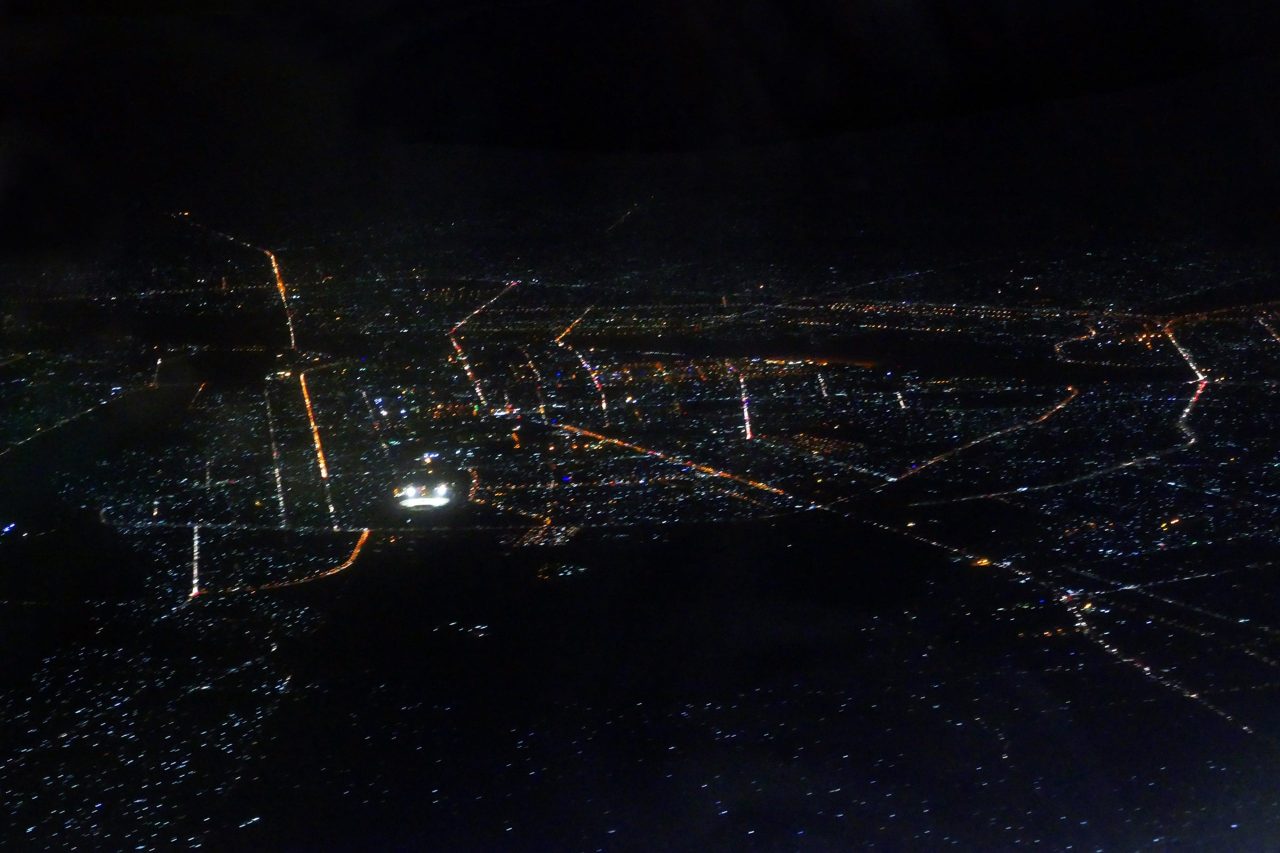
Burkina Faso currently imports about 60 percent of its electricity, leaving its 24 million residents with one of the world’s lowest access rates at roughly one in five. The new plant is expected to more than halve the country’s reliance on imported power, a critical shift for an economy attempting to process more of its gold and cotton domestically.
Reliable power has direct fiscal implications. Gold mining is the state’s main revenue source, but operations currently rely on expensive fuel-powered generation. Cheaper grid power will flow directly into the margins of an industry that funds the national budget.
The choice of thermal generation over renewables is driven by the need for baseload power that works after sunset, but the project also carries geopolitical weight. Regional power cuts, such as Nigeria halting exports to Niger after its 2023 coup, have demonstrated how imported electricity can become political leverage.
AFC will disburse the remaining tranches as construction progresses against the 2027 target. This phased approach is specifically designed to mitigate the risk of attacks on roads and transmission lines by jihadist insurgents. For the lender, this first investment in Burkina Faso could open a pipeline of deals across the Alliance of Sahel States, where infrastructure needs are vast and conventional financing is scarce.