Coris Bank Targets Cameroon Under New CEMAC Rules
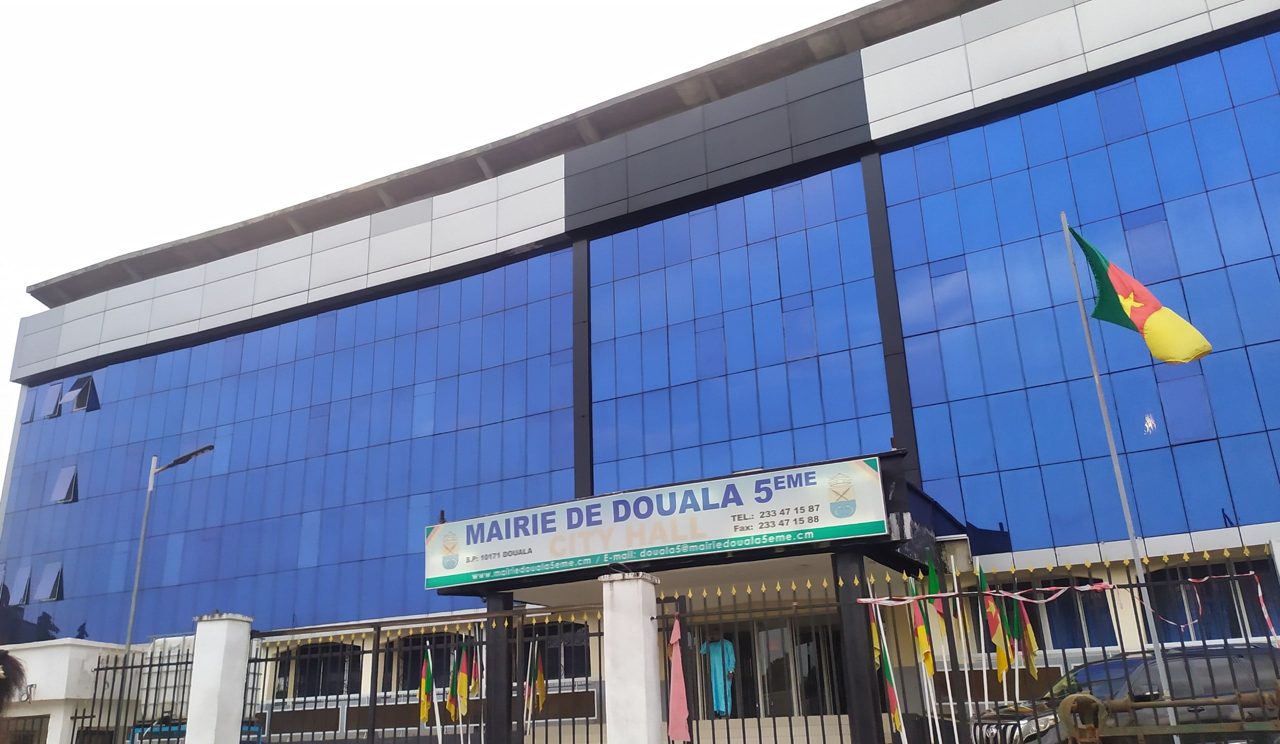
Burkina Faso’s Coris Bank has incorporated a €40 million subsidiary in Cameroon, testing a new regional licensing regime that could accelerate African banking consolidation in markets vacated by European lenders.
Coris Bank International has established Coris Bank International Cameroun as a public limited company in Douala, capitalized at CFA26 billion, or roughly €40 million. The unit has named Alice Dakuyo Kaboré as board chair and Lionel Wenceslas Ouedraogo Parengmanba as chief executive. However, the lender cannot take deposits until it secures approvals from the Central African Banking Commission and Cameroon’s finance ministry.
The move makes Coris one of the first West African groups to test CEMAC’s single-licence regulation, which took effect in January 2025. The framework allows a bank licensed in one member state to expand into the other five using a streamlined approval process. For Coris, which already operates in Chad after acquiring Société Générale’s local business, Cameroon represents a logical next step.
Cameroon is the largest economy in the six-nation CEMAC zone, which ties Central Africa to a euro-pegged CFA franc. The country accounts for roughly half of the currency zone’s economic activity, with its Douala port serving as a critical trade gateway for landlocked neighbours Chad and the Central African Republic. Securing a foothold in Douala effectively grants a lender regional scale.
Coris’s expansion is part of a wider reshaping of Francophone Africa’s banking sector. As European lenders pull back, African-owned groups from Burkina Faso, Morocco, Togo and Nigeria are acquiring abandoned branches. Built by Burkinabè financier Idrissa Nassa, Coris now holds more than $9 billion in assets across roughly eleven countries. Cameroon would mark its entry into Central Africa’s core market.
Rather than relying on physical branch networks, Coris is positioning itself to ride existing digital infrastructure. The group has discussed integrating the future subsidiary directly into Gimacpay, the CEMAC zone’s interoperable payment platform that links mobile money providers and traditional banks. This digital-first approach mirrors Coris’s growth strategy in West Africa’s UEMOA zone, where mobile money has largely eclipsed traditional branch banking.
The expansion carries notable timing risks, as Cameroon’s political future is currently unsettled. However, that uncertainty may actually favour a well-capitalised entrant. Incumbent banks, led by local champion Afriland First Bank, are likely focused on defending existing market share rather than expanding, creating an opening for Coris to capture both corporate clients and the unbanked.