Libya Oil Output Hits 2013 Levels as Western Majors Return
Libya’s oil production has surged to a 13-year high of 1.49 million barrels per day, drawing BP, Shell and ExxonMobil back to the country and adding fresh supply pressure to OPEC+ markets.
Libya's National Oil Corporation has pushed total output to roughly 1.49 million barrels per day, combining 1.44 million barrels of crude with condensates. This marks the strongest production figure since 2013, edging the country closer to a stated year-end target of 1.5 million barrels per day. Chairman Masoud Suleiman has directed staff to maintain this trajectory.
The output recovery has triggered a notable shift in corporate strategy. BP, Shell and ExxonMobil have all committed to resuming Libyan exploration and development following the country’s first licensing round in almost twenty years. According to S&P Global, stabilising production has improved sentiment, allowing majors to weigh Africa’s largest crude reserves, estimated at 48 billion barrels, against the well-documented political risks.
This ramp-up carries immediate consequences for global oil markets. Libya functions as an unpredictable variable within OPEC+, and its recovering output arrives just as the broader alliance raises production quotas. Additional Libyan crude exerts downward pressure on the same prices that fellow African exporters like Nigeria and Angola rely upon. For Europe, however, the steady flow provides a logistical advantage, as Libyan barrels reach Mediterranean refineries faster than Gulf alternatives.
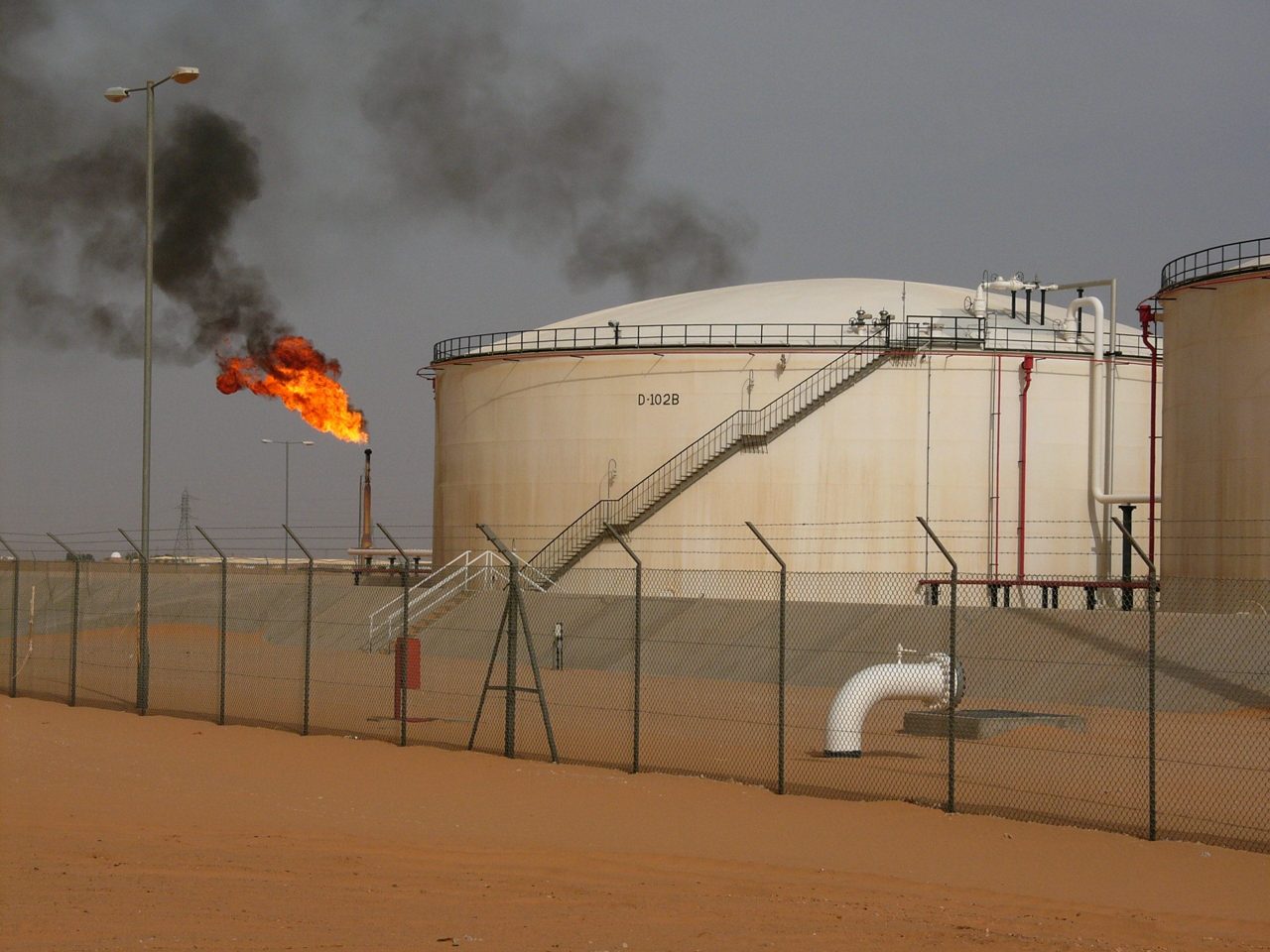
The macroeconomic headline, real GDP surging 12.4 percent in 2025 on the back of increased pumping, masks deep structural fragilities. Production at major assets like the 300,000-barrel-per-day El Sharara field remains highly vulnerable to blockades tied to political disputes. The country is still governed by rival administrations in Tripoli and the east, both relying on oil revenues to sustain their grip on power.
Translating new licensing agreements into active drilling rigs will ultimately test the majors' risk appetite. Suleiman has acknowledged that pushing output higher requires billions in fresh capital. While the geology and low lifting costs offer a compelling frontier proposition, any renewed fracture in the country's fragile political ceasefire could quickly reverse the recent market gains.