Nasco Group Secures $100m for Cameroon Sugar Mill to Topple Castel
A $100 million sugar plant backed by Société Générale and CCA-Bank aims to close Cameroon’s structural supply deficit and displace the incumbent Castel family by 2028.
Nassourou Issa’s Nasco Group is starting civil engineering work on a $100 million sugar refinery in Cameroon, funded by a syndicated loan from Société Générale’s local unit and CCA-Bank. The facility is slated to produce 300,000 tons of sugar annually by 2028, a volume that would immediately make it the largest refinery in the region.
The project targets a structural supply gap that has long defined the local market. National demand sits near 300,000 tons a year, but the dominant producer, Castel family-controlled Sosucam, only manages between 120,000 and 160,000 tons. The resulting shortfall forces Yaoundé to authorize continuous imports, largely from Brazil, creating a lucrative commercial opening for a well-capitalized new entrant.
Sosucam’s market position is uniquely vulnerable at this exact moment. Somdia, the Castel group’s agro-industrial arm, is actively seeking a buyer for its 88.36 percent stake in the company. While Sosucam has attempted to bolster its operations by adding a sugar-cube production unit at its Nkoteng site and lobbying regulators against cheap imports, an incumbent navigating an ownership transition is a significantly softer target.
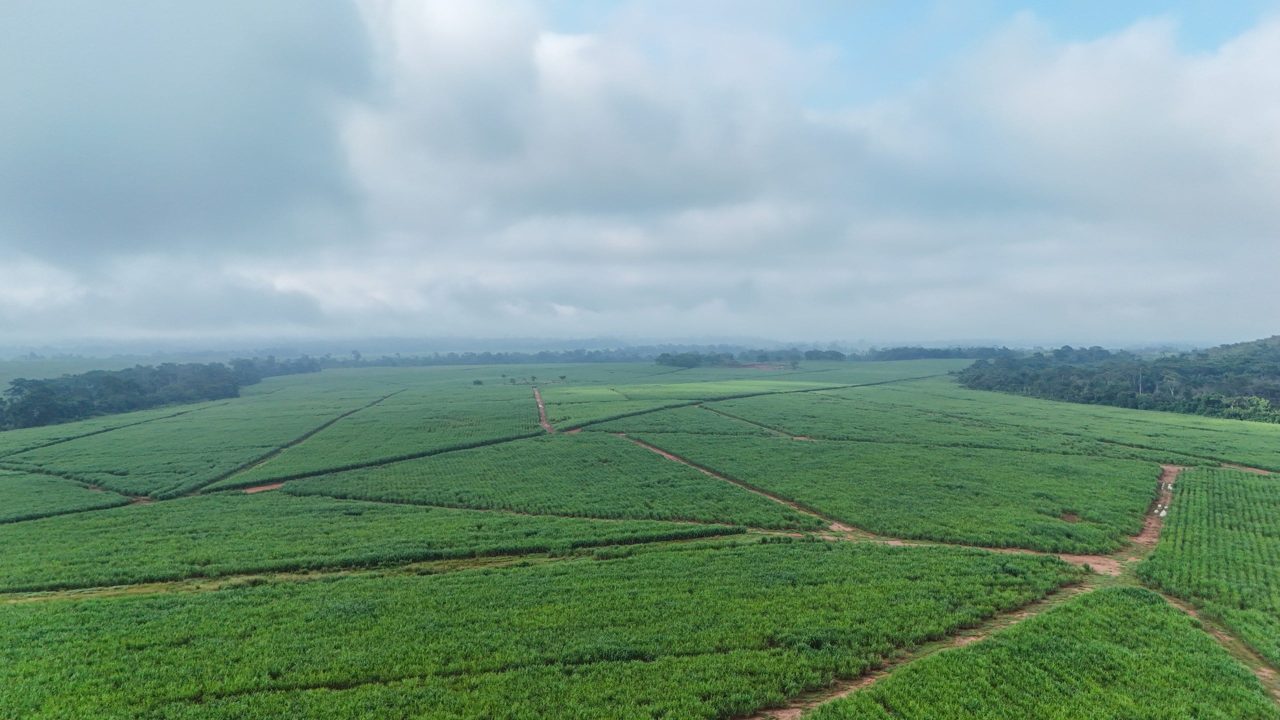
For lenders and potential investors, the primary risk is agricultural rather than industrial. Sosucam spent decades developing its plantations in the Upper Sanaga region, and a new mill of this scale requires a comparable, dedicated cane supply. Because sugarcane requires more than a year from land preparation to the first industrial harvest, Issa’s 2028 deadline is highly aggressive and leaves almost no room for the typical delays of large-scale African agro-industrial projects.
The backing from Société Générale and CCA-Bank underscores a notable shift in African project finance. Lenders are demonstrating a willingness to fund national challengers attempting to displace long-dominant foreign incumbents in essential sectors like food and cement. If Nasco Group meets its public targets, Cameroon could shift from a chronic sugar importer to self-sufficiency, fundamentally reshaping the pricing dynamics of a politically sensitive staple.