Indian pharma stocks drop on Trump 100% generic tariff plan
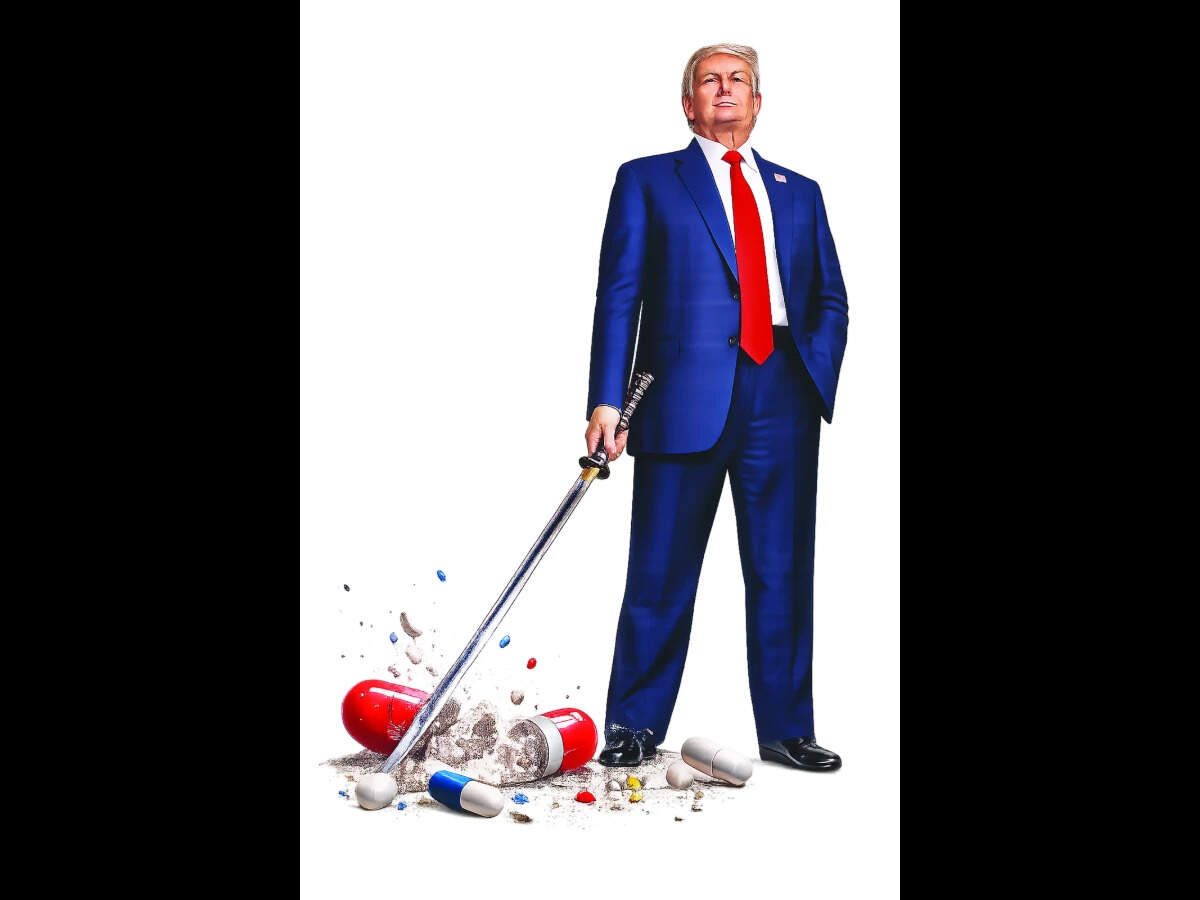
Indian pharmaceutical stocks fell sharply after US President Donald Trump proposed a 100% tariff on generic drugs, threatening the core revenue stream of an industry that has outperformed broader markets this year.
The Nifty Pharma index fell 1.3% at the close, underperforming the broader benchmark Nifty 50, which dropped 0.8%. The immediate reaction targeted companies with the highest reliance on American markets. Lupin led the decline, dropping 4.3%, followed closely by Piramal Pharma, Ajanta Pharma, Aurobindo Pharma, Alembic Pharmaceuticals, and Granules (India), which posted losses ranging from 2.5% to 4.2%.
The market's anxiety is directly tied to the structural threat this poses to the industry's main revenue engine. "The proposal brings generics—one of the key revenue contributors for Indian pharmaceutical companies in the US—within the scope of tariffs for the first time," said Maitri Sheth, a research analyst at Choice Institutional Equities. This fundamental shift implies that the historical valuation premiums assigned to leading Indian generic exporters could face severe downward pressure.
To circumvent the proposed 100% duty, Indian drugmakers would likely need to establish manufacturing plants within the United States. However, such a geographic shift would dramatically alter the industry's established low-cost operating model. "Expanding US manufacturing capacity would raise production costs, with much of the increase likely passed on to customers," Malakar said. Because Indian firms primarily compete on price, higher production expenses threaten to erode their market share in America.
This sudden policy shock arrives during a period of notable outperformance for the healthcare sector. So far in 2026, the Nifty Pharma index has climbed 13.3%. That gain stands in stark contrast to the benchmark Nifty 50, which has fallen 8.2% over the same period. The recent rally was heavily predicated on stable export revenues, making the tariff proposal a direct hit to the primary investment thesis supporting those gains.
Market professionals now expect a rapid repricing of pharmaceutical equities based on their geographic revenue concentration. Analysts noted that firms carrying the highest US exposure will feel the biggest impact from the proposed changes. Consequently, investors are being advised to pivot away from export-heavy names and look toward domestic-focused companies, which remain entirely insulated from Washington's escalating trade policy.