Asian tech rallies on AI spend as oil spike hits Treasuries
South Korean chipmakers drive a broad Asian market rally on artificial intelligence investment hopes, while escalating Middle East tensions push oil higher and long-dated US Treasury yields to crisis-era levels.
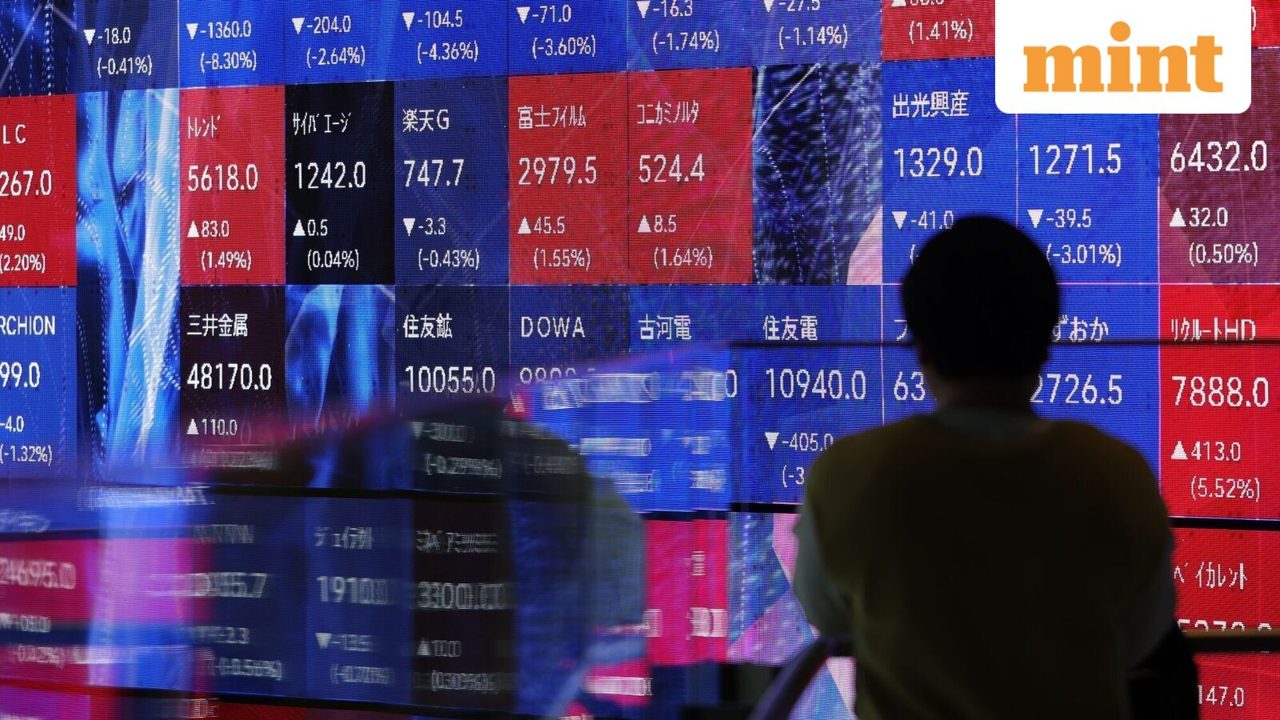
Asian equities climbed on Thursday, led by a sharp rally in South Korean semiconductor stocks as investors positioned for sustained artificial intelligence spending. The MSCI Asia Pacific Index gained 0.8%, with South Korea’s Kospi surging more than 4%.
Memory chip giants Samsung Electronics and SK Hynix both advanced over 4%. The gains drove the Kospi’s outperformance and lifted the small-cap Kosdaq by 1.42%. Broader regional benchmarks were more subdued, with Australia’s S&P/ASX 200 adding 0.72% and Hong Kong’s Hang Seng index futures trading at 24,997, up from a previous close of 24,892.66.
The regional tech optimism materialized despite a mixed overnight session for US technology majors. Alphabet dropped more than 3% after raising its capital expenditure guidance, while Tesla fell 4% on weak second-quarter earnings and IBM edged lower on a trimmed sales forecast. This divergent trading underscores a market actively searching for proof that heavy AI investments will translate into near-term financial returns. That focus is critical after a recent selloff pushed a key semiconductor index into bear market territory.
Geopolitical risks lift oil and yields
While tech equities found buyers, broader macro sentiment remained under pressure from escalating Middle East tensions. Brent crude rose 2% to roughly $96 a barrel and US West Texas Intermediate gained 1.4% to $88.07. The move followed claims by Iran-backed Houthi militants that they targeted two Saudi oil tankers in the Red Sea. Tensions escalated further after US President Donald Trump warned the US would strike Iranian bridges and power plants if attacks continued in the Strait of Hormuz, drawing a reciprocal warning from Iran.
The surge in crude prices rippled directly into sovereign debt markets. The yield on the US two-year Treasury note rose four basis points on Wednesday, while the 30-year yield remained above 5% for its longest stretch since the start of the 2008 global financial crisis. This persistent elevation in long-term borrowing costs signals deep investor anxiety over rising government debt and the inflationary impact of potential energy supply shocks.
The Japanese yen held near its weakest level against the dollar since 1986, last trading flat at 163.10. US equity index futures pointed to a slightly lower open, with Nasdaq 100 futures down 0.4%, as investors balanced sector-specific AI optimism against elevated energy costs and a challenging fixed-income backdrop.