Nigeria targets maritime court delays to cut import costs
Nigeria's top officials have warned that judicial bottlenecks in maritime disputes are driving up import costs and deterring foreign capital, outlining plans for legal and regulatory reforms to unlock the blue economy.
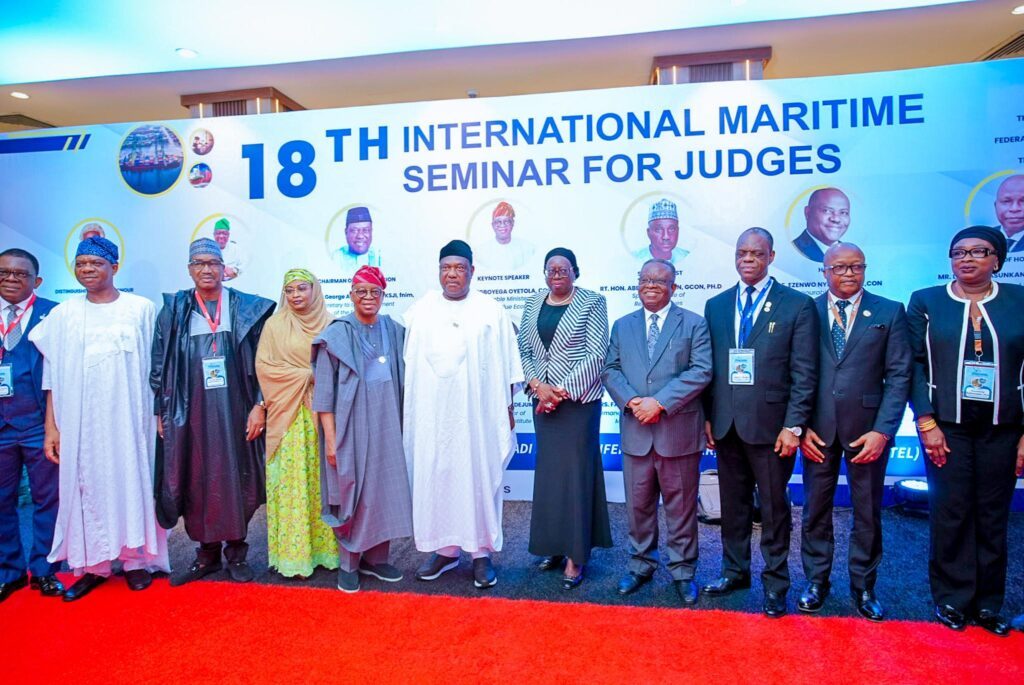
The Nigerian government has explicitly linked the sluggish resolution of maritime disputes to rising import costs and waning investor confidence. Speaking at the 18th International Maritime Seminar for Judges in Abuja on Wednesday, Secretary to the Government of the Federation George Akume warned that inefficient adjudication directly undermines trade competitiveness.
For investors and shipping lines, the comments highlight a tangible operational risk in one of Africa's largest markets. Delays in handling ship arrests and cargo liability claims ultimately inflate the price of essential goods, a cost passed down to businesses and consumers. “No investor will commit capital to a maritime venture in Nigeria if they cannot trust that contractual disputes will be resolved fairly and swiftly,” Akume said.
To address the bottleneck, the government is pushing to eliminate siloed operations among its maritime agencies. Akume identified the Nigerian Ports Authority, NIMASA, the Nigeria Customs Service, and the Federal High Court as key actors that must align their regulatory postures. The Office of the SGF will back legislative amendments and coordinate the ratification of international maritime conventions to present a predictable environment to the global shipping community.
Beyond legacy inefficiencies, the sector faces emerging legal complexities. Minister of Marine and Blue Economy Adegboyega Oyetola urged the judiciary to prepare for disputes involving autonomous vessels, electronic bills of lading, and maritime decarbonisation. He noted that digitalisation and the shift toward cleaner transport are creating fresh liability and jurisdictional issues that require specialised judicial understanding.
Oyetola argued that strengthening dispute resolution through litigation and arbitration is the only path to making Nigeria Africa’s premier maritime hub. Chief Justice Kudirat Kekere-Ekun reinforced this, stressing that the cross-border nature of maritime commerce requires Nigerian courts to improve cooperation with international jurisdictions to prevent disruptions and maintain the confidence of global financiers and insurers.