Permian Gas Prices Turn Positive as New Pipelines Ease Glut
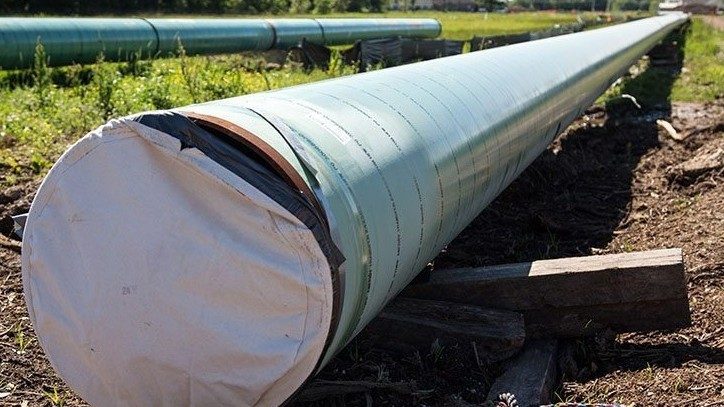
Permian natural gas prices have shifted into positive territory as new pipeline capacity begins to relieve a bottleneck that has constrained oil drillers' operations and destroyed value.
The Waha hub price, the benchmark for Permian basin gas, turned positive in June and has stayed above zero for over a month. This ends a brutal first half of the year where prices averaged -$2.19 per MMBtu and hit a record low of -$7.95 in late April, a spread of more than $10 below the national Henry Hub benchmark at the time.
The reversal stems from the start-up of the expanded Gulf Coast Express Pipeline and Energy Transfer’s new Hugh Brinson Pipeline. While the Hugh Brinson line will not reach full capacity until March 2027, its initial flows are already absorbing excess supply that producers previously had to flare or pay to dispose of.
For exploration and production firms, gas takeaway capacity has been the primary brake on drilling plans. According to the Dallas Fed Energy Survey published in June, executives identified this bottleneck as the most significant constraint on their Permian operations over the next 12 months. Aegis Hedging noted last week that producers are now bringing previously shut-in or flared volumes back online.
The new infrastructure connects the basin directly to major demand centers. “The route is designed to move Permian and Midland Basin gas east from Waha and provide access to East Texas, the Katy Hub and Gulf Coast demand markets, including LNG export facilities, power plants, storage assets and industrial customers,” East Daley Analytics said.
The Permian relief is part of a broader national expansion. U.S. Energy Information Administration data indicates 44.9 billion cubic feet per day of new natural gas pipeline capacity will come online across the United States in 2026 and 2027. More than 66% of that, or 29.7 Bcf/d, originates in Texas. Alongside Hugh Brinson, the Rio Bravo and Blackcomb pipelines are set to enter service by year-end.
Full relief will not be immediate. Operators expect the bottlenecks to persist for several quarters, with a quarter of Dallas Fed survey respondents pointing to the first quarter of 2027 for full alleviation. Over 10% do not expect a resolution until 2028, and 7% believe it will never fully resolve.
There is also a risk that the glut renews. If the Strait of Hormuz crisis prolongs elevated oil prices, operators may increase drilling in the Permian. Because the basin's gas is predominantly an associated by-product of oil extraction, accelerated crude production would generate fresh gas surpluses that could outpace the new infrastructure.