Gulf capital replaces Europe as FAB targets South Africa licence
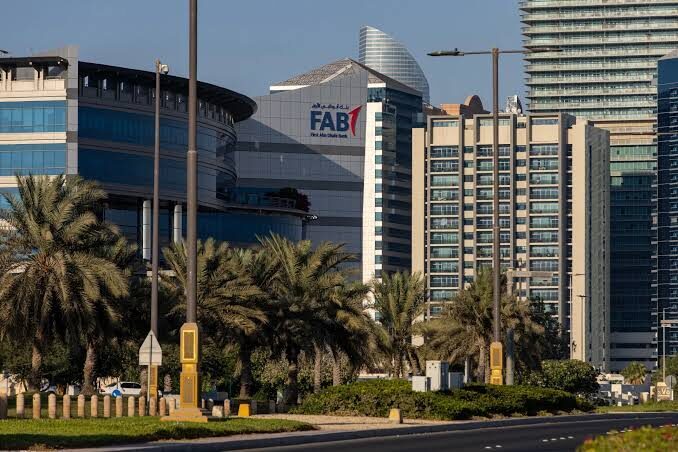
First Abu Dhabi Bank's push for a South African banking licence highlights a structural shift as Gulf capital steps into the void left by retreating European lenders.
First Abu Dhabi Bank (FAB), the United Arab Emirates’ largest lender with over $406 billion in assets, has won a trademark dispute in South Africa’s Supreme Court of Appeal. The ruling clears a major legal obstacle for the bank to formally apply for a licence to operate in Africa’s most sophisticated financial market.
FAB’s advance comes as European lenders accelerate their exit from the continent. Stricter Basel III capital rules, volatile currencies and lower profitability have driven this retrenchment. In a 2024 report, Fitch Ratings noted that French banks' withdrawal from African retail and commercial banking allowed them to focus on mature European markets and higher-margin businesses like insurance and leasing. HSBC completed its final exit from South Africa in May, following similar pullbacks by Barclays, Standard Chartered and BNP Paribas.
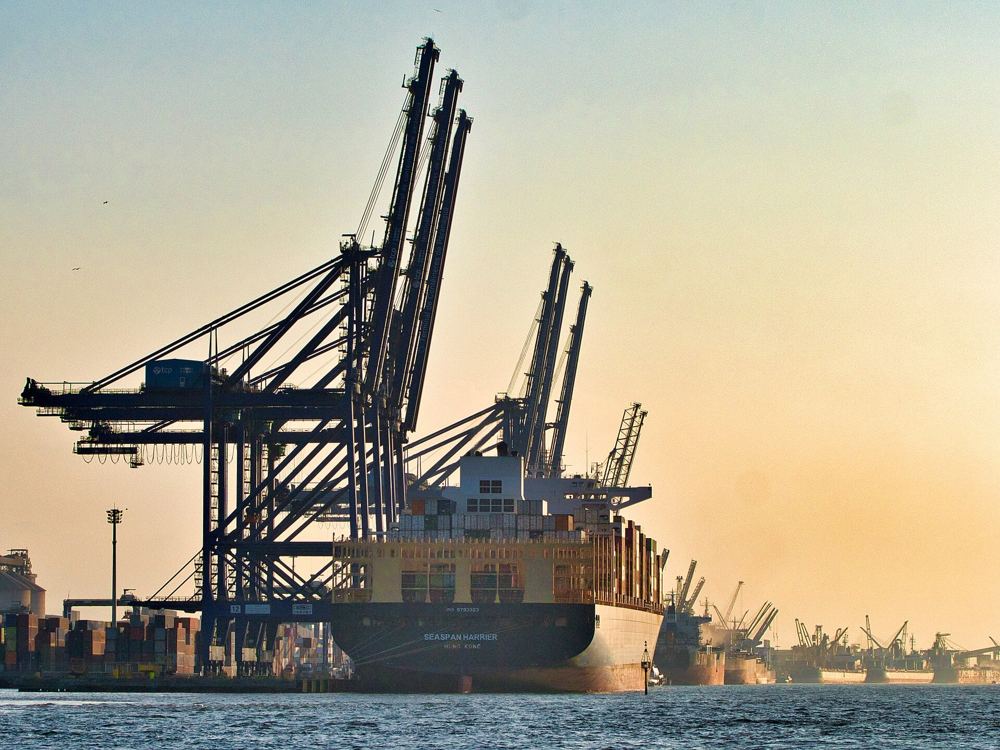
This divergence underscores a broader realignment in African finance. Gulf banks and sovereign wealth funds are rapidly replacing European capital as primary financiers of African infrastructure, ports and energy. A South African licence would give FAB a strategic footprint spanning North, West and Southern Africa, complementing its existing operations in Egypt, Libya and a newly opened office in Lagos, Nigeria.
For an institution of FAB's scale, South Africa is not a retail banking play. The country offers deep capital markets, robust regulation and the continent's largest stock exchange with a $1.6 trillion market capitalisation. It serves as a vital gateway for multinational corporate banking and cross-border trade finance, particularly for Gulf clients funding African industrial development.
The timing follows improving macroeconomic signals. Last month, Fitch upgraded South Africa’s sovereign credit rating from BB- to BB, its first upgrade in nearly 21 years, citing prudent fiscal management under the Government of National Unity. While BMI, a Fitch Solutions company, warns that Johannesburg's mounting debt and deteriorating infrastructure remain risks, global banks typically look past short-term economic cycles.
Analysts frame FAB’s move as a bet on long-term capital flows rather than immediate domestic growth. “The real story isn’t that FAB wants to enter South Africa. It’s what that decision represents,” said Mike Green, founder of South African advisory firm Marinvale & Co. “Global financial institutions don’t invest billions based on hope. They analyse markets years in advance, looking for long-term opportunity.”
Thomo Moraka, former Strategic Fuel Fund chief executive, noted that the entry provides “new networks, new capital and potentially a stronger bridge between Africa and global investment flows.” He added: “For Africa to realise the promise of AfCFTA, we need financial institutions capable of financing ports, railways, energy infrastructure, logistics and industrial development.”