Iran shuts Strait of Hormuz as Gulf attacks follow US strikes
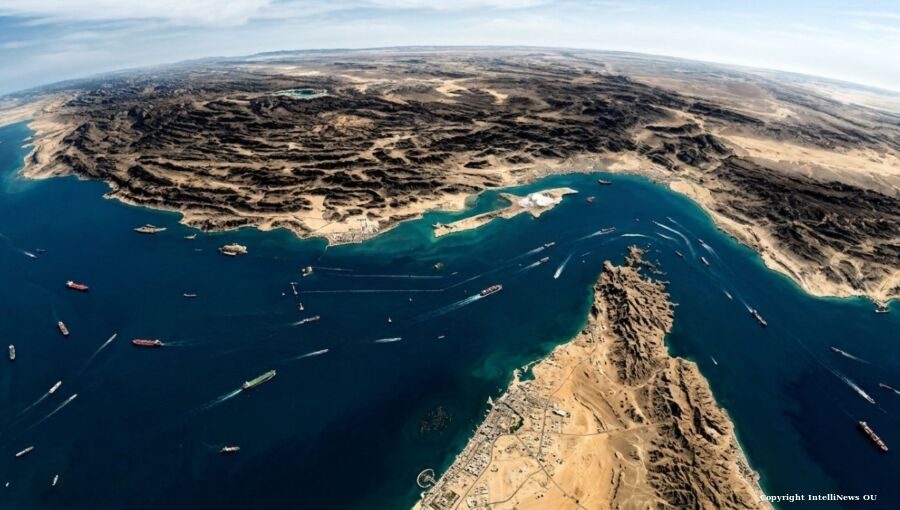
Iran's Revolutionary Guards have closed the Strait of Hormuz, threatening a fresh surge in global energy prices after a rapid collapse of diplomatic talks in Muscat and retaliatory US strikes on Iranian targets.
Iran has closed the Strait of Hormuz until further notice, shuttering the world’s most critical oil chokepoint just hours after high-level diplomatic talks in Muscat aimed at securing the waterway.
The closure followed a US military strike on approximately 140 targets inside Iran on July 11. US Central Command said it hit missile and drone sites, naval capabilities, ammunition storage, and coastal surveillance locations in retaliation for an earlier Iranian attack on a commercial vessel.
Tensions spiked further when Iran’s Revolutionary Guards stopped a ship they claimed ignored instructions to use an approved route. CENTCOM reported the vessel was disabled by fire and engine room damage. India confirmed 10 of its nationals were rescued, with one remaining missing, while the UKMTO noted the crew had abandoned the ship.
The military exchange immediately engulfed the wider Gulf region. Kuwait, Bahrain, and the United Arab Emirates reported activating air defences against incoming threats. Jordan said three Iranian missiles fell on its territory without causing casualties, while Qatar reported intercepting attacks that injured three people.
The sudden escalation renders moot the discussions held on July 11 between the Iranian and Omani foreign ministers. Those talks, attended by Qatari mediators and technical delegations, had focused on managing traffic through the strait under international law. Oman subsequently condemned an Iranian strike on the port of Duqm, where the Guards claimed to have destroyed logistical and refuelling facilities for US aircraft carriers, though those claims remain unverified.
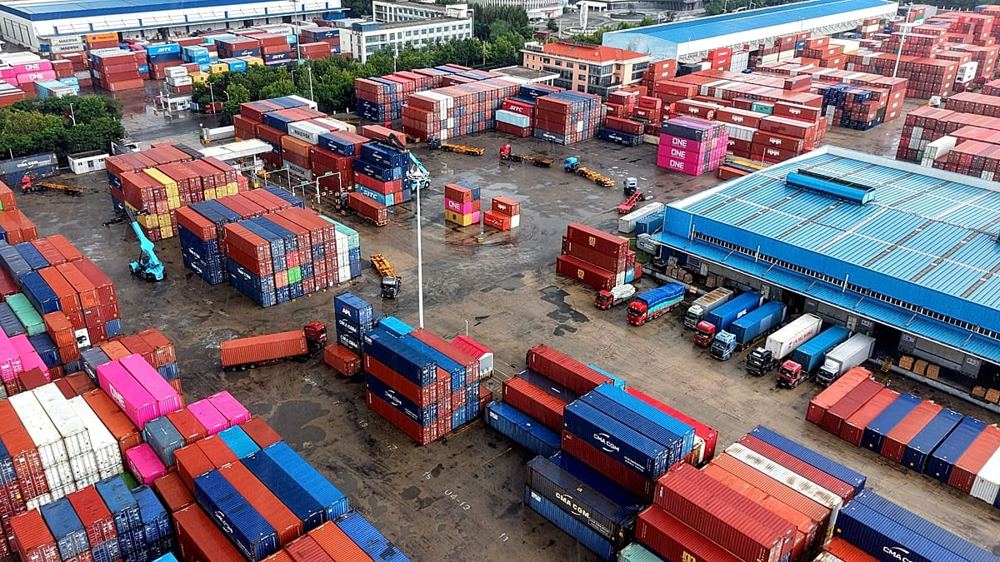
For energy markets, the closure represents a severe and immediate supply risk. The Strait of Hormuz handles a massive share of global oil and liquefied natural gas transit. Any prolonged disruption forces shippers to reroute around the Arabian Peninsula, extending voyage times and lifting freight and insurance costs at a time when regional infrastructure is under active military threat.
Prospects for a rapid de-escalation appear slim. US Defence Secretary Pete Hegseth warned that "Iran made a poor choice. Now they pay." Meanwhile, Iran's supreme leader, Mojtaba Khamenei, declared in his first statement since his father's funeral that "vengeance is the will of our nation and must inevitably be carried out" in response to the US-Israeli killing of his father in February. Pakistan's foreign minister has called for de-escalation, but the immediate focus for markets will be monitoring the duration of the strait's closure.