EU races to halt automatic hike to Russia oil cap
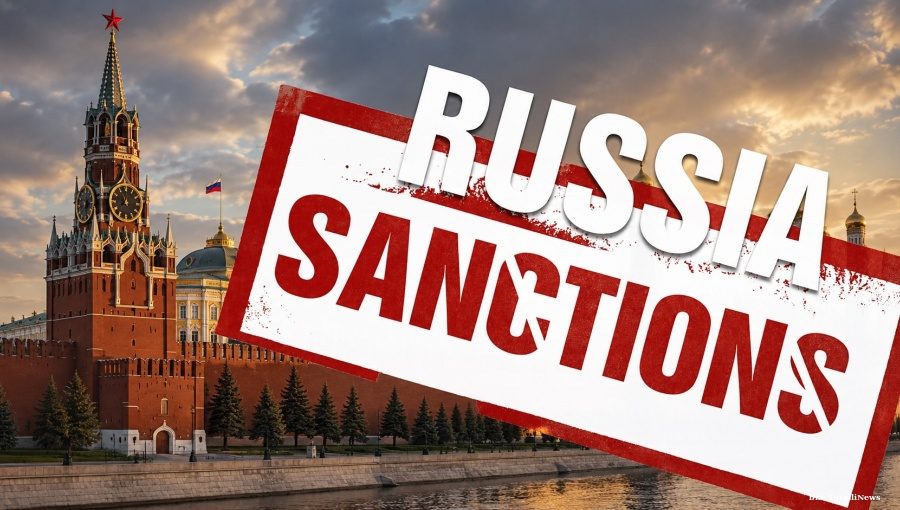
Internal divisions over shipping costs and energy security are forcing the EU to water down its 21st sanctions package, risking an automatic hike in the Russian oil price cap that would effectively end restrictions on Moscow's crude exports.
The EU is diluting its proposed 21st sanctions package against Russia and scrambling to postpone an automatic revision to its oil price cap, as deep internal divisions force Brussels to soften its approach.
At the centre of the dispute is the mechanism governing the floating rate cap on Russia’s Urals crude blend, which sits at 15% below market rates. The ceiling undergoes an automatic recalculation every six months. If the bloc fails to adopt the new sanctions package before the July 15 deadline, the cap will automatically jump from roughly $44.10 per barrel to approximately $58.
Such an adjustment would effectively remove all restrictions on the transport of Russian oil. Urals crude is currently trading around $40 a barrel, depressed by the Trump administration's Memorandum of Understanding with Iran. When standard market discounts are factored in, the actual trading price sits even lower.
For energy markets and Moscow’s finances, the stakes are severe. Russia is contending with a ballooning budget deficit and needs an export revenue boost. A $58 cap would allow the Kremlin to freely ship substantially more crude at higher prices without technically violating EU rules.
To avoid what officials view as a politically disastrous outcome, Brussels wants to delay the automatic revision until January. However, this effort is being blocked by member states whose economies rely heavily on maritime services. Greece, Cyprus and Malta are resisting changes to the price-cap mechanism to protect the competitiveness of their shipping industries, which continue to dominate global tanker markets.
The shipping dispute threatens to hold up the entire package, which requires unanimous approval from EU ambassadors. If no agreement is reached in time, the higher cap takes effect automatically.
Separate energy divisions have also resurfaced. Slovakia has sought guarantees that new sanctions will not undermine its energy security ahead of the EU's plan to phase out Russian gas imports by 2027. Hungary has maintained its position that sanctions hurt Europe more than Russia, a stance it previously used to leverage vetoes for concessions.
While the final package is expected to include additional measures targeting Russia's shadow fleet of oil tankers, financial institutions and military-industrial exports, diplomats concede the text has been weakened. Several original proposals were diluted simply to preserve the unanimity required for the bloc to act.