Trump's staggered generic drug tariffs divide industry
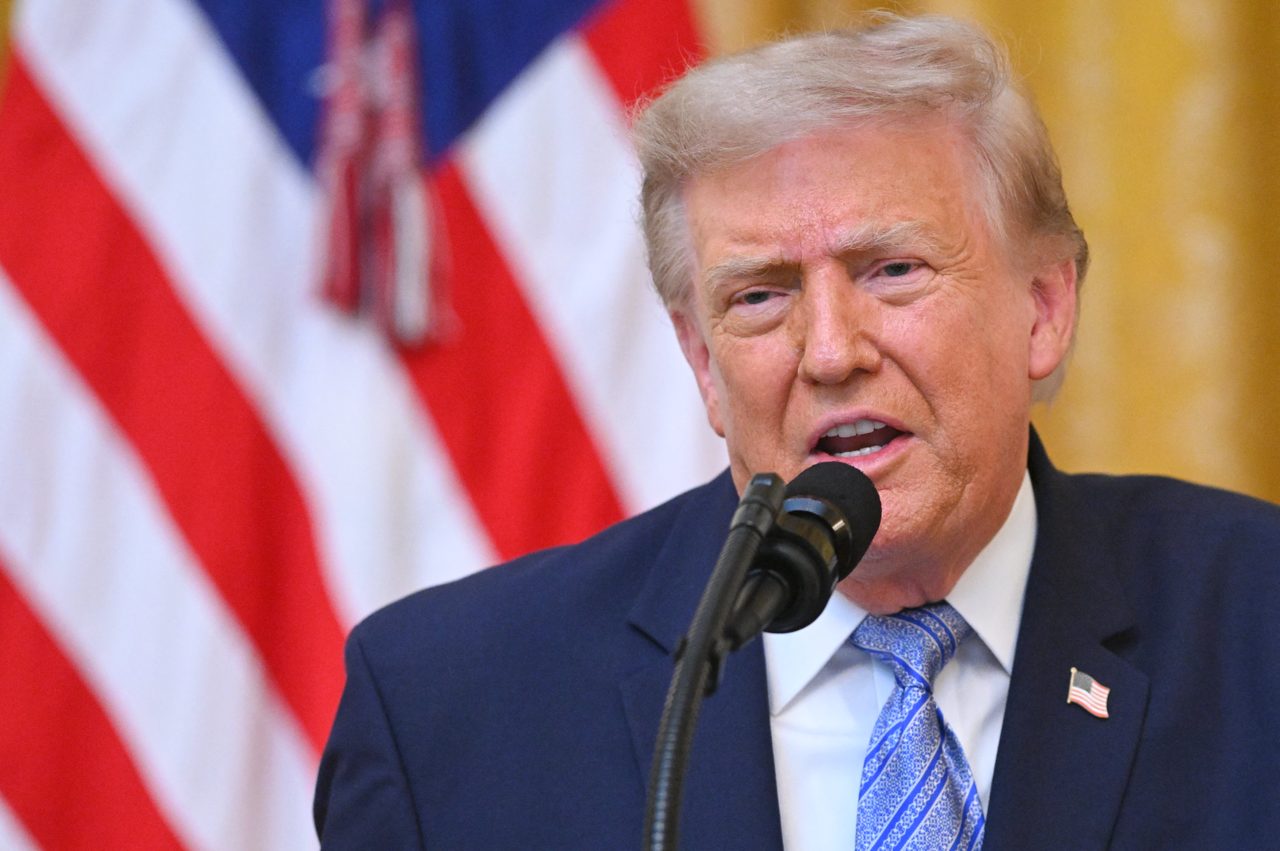
President Donald Trump's proposal to impose tariffs of up to 200% on imported generic drugs creates a stark divide between manufacturers with existing US production capacity and offshore producers operating on thin margins.
President Donald Trump has proposed a staggered tariff regime on imported generic medicines that would start at zero for two years before jumping to 100% and eventually 200%. The plan targets a nearly $500 billion global industry where thin profit margins leave little room to absorb drastic cost increases.
Unlike brand-name pharmaceutical companies that enjoy high margins and patent exclusivity, generic manufacturers compete almost entirely on price and manufacturing efficiency. Generics fill 90% of US prescriptions but make up a small fraction of total drug spending, meaning even modest cost hikes can wipe out profitability.
The proposed duties pose an existential threat to offshore producers. "A 100-200% tariff on a product with single-digit margins is a market-exit notice," independent consultant Salil Kallianpur said. Namit Joshi, chairman of India's Pharmaceuticals Export Promotion Council, noted that building a domestic US ecosystem takes at least four to five years, rendering the two-year grace period insufficient. "We can only transfer that tariff. Or we can withdraw from the market," Joshi said.
Analysts at Jefferies and Citi say the proposal immediately separates the field. Companies with substantial US manufacturing footprints—such as Amphastar Pharmaceuticals, ANI Pharmaceuticals, Hikma, and Fresenius Kabi—are better positioned. Conversely, Teva, Viatris, and Apotex face significant exposure due to their heavier reliance on overseas production.
The market is currently treating the two-year reprieve as breathing room rather than an immediate shock. Sandoz, a major global generic drugmaker, declined to speculate on its investment plans, stating that further implementation details are required. Key unanswered questions remain, particularly whether the tariffs will apply to active pharmaceutical ingredients manufactured abroad but assembled into finished drugs in the US.
The Association for Accessible Medicines stressed that trade policy alone cannot fix domestic manufacturing, pointing to ongoing issues with drug purchasing and reimbursement. "Our industry has several legislative and regulatory solutions to address the market deficiencies and we look forward to dialogue with the Administration and with Congress to pursue solutions that restore the generics industry to growth and to prioritize its place as a critical national security asset here in the U.S.," the group's CEO, John Murphy III, said.