Guatemala mandates E10 fuel, boosting US ethanol exports
Guatemala will require all gasoline to contain 10% ethanol from August 21, securing a major new export market for US producers while providing a domestic hedge against volatile oil prices.
Guatemala will require all 2,200 of its filling stations to sell E10 gasoline starting August 21. The mandate, pushed back from an initial late June deadline to allow for supply chain adjustments, legally requires a fuel blend of 90% gasoline and 10% ethanol.
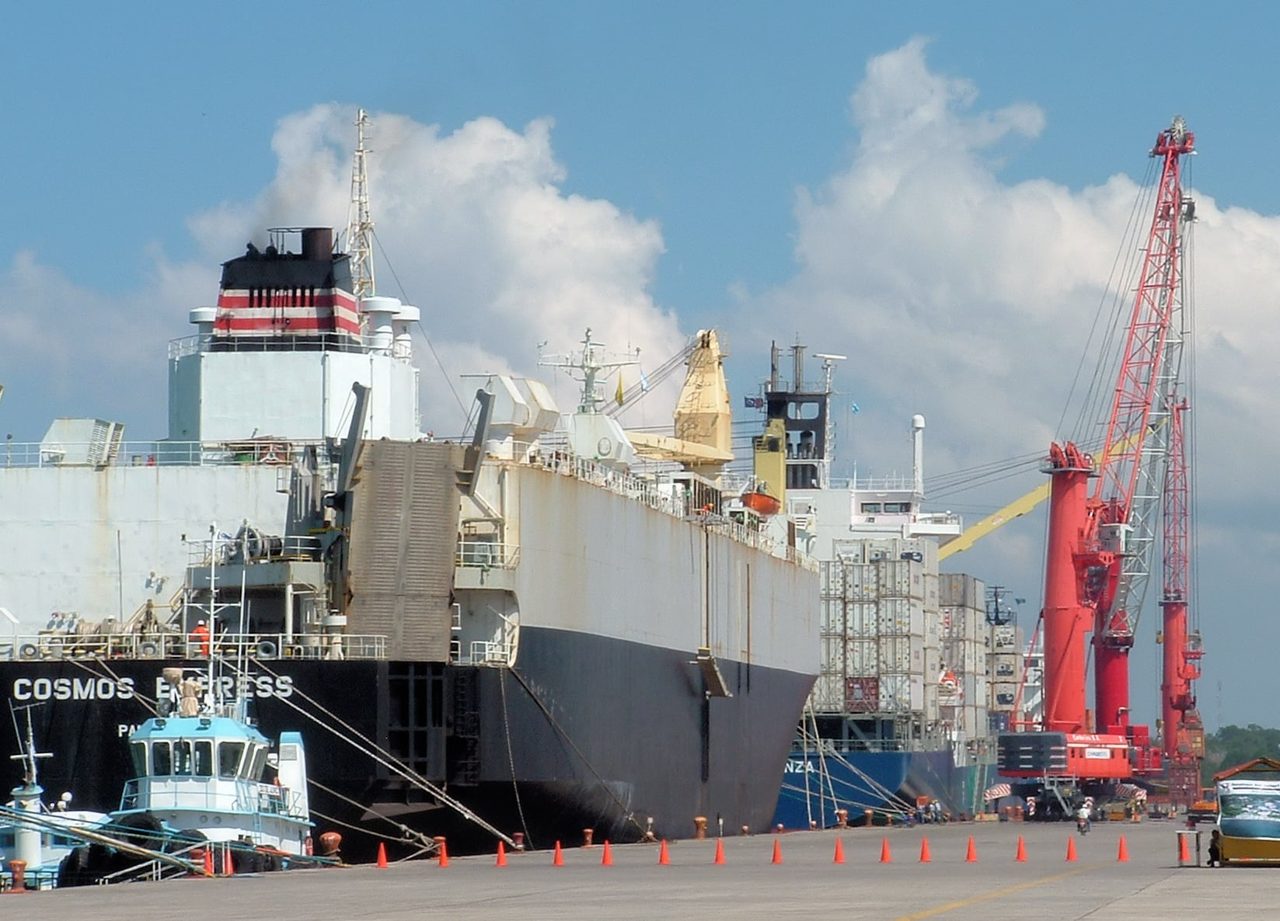
The policy immediately opens a significant new export channel for US biofuel producers. Guatemala requires roughly 100 million gallons of ethanol annually to sustain the E10 blend. Under a reciprocal trade agreement with Washington, Guatemala has committed to purchasing 50 million gallons of that volume from the US. Initial shipments are already moving, with a vessel carrying 3,000 tonnes of American ethanol recently docking at the Atlantic port of Santo Tomás de Castilla. The US embassy publicly endorsed the regulation, noting the blend will widen demand for ethanol produced in the United States.
For local markets, the regulatory shift provides a structural buffer against crude oil volatility. Ethanol currently trades at roughly $2 per gallon, compared to about $3.10 for gasoline. Because biofuel prices do not track global oil markets as closely, officials expect the cheaper ethanol component to stabilize pump prices. The government notes the transition will be seamless for consumers, as the domestic vehicle fleet is already manufactured to handle E10.
However, the mandate transfers infrastructure costs directly onto fuel retailers. Distributors report they were excluded from the policy's design and now face unplanned capital expenditures to clean and upgrade storage tanks. With the energy ministry recently activating its supply-verification methodology, retailer readiness remains a key risk to monitor as the August deadline approaches.
Strategically, the mandate aligns Guatemala's energy matrix with established biofuel markets like Brazil and the US. The government projects the E10 standard will reduce national carbon dioxide emissions by more than 430,000 tonnes annually. By joining these markets, Guatemala is betting that imported and home-grown biofuel can steady its overall exposure to volatile oil.