Uruguay Port Strike Strains Safe-Haven Investor Pitch
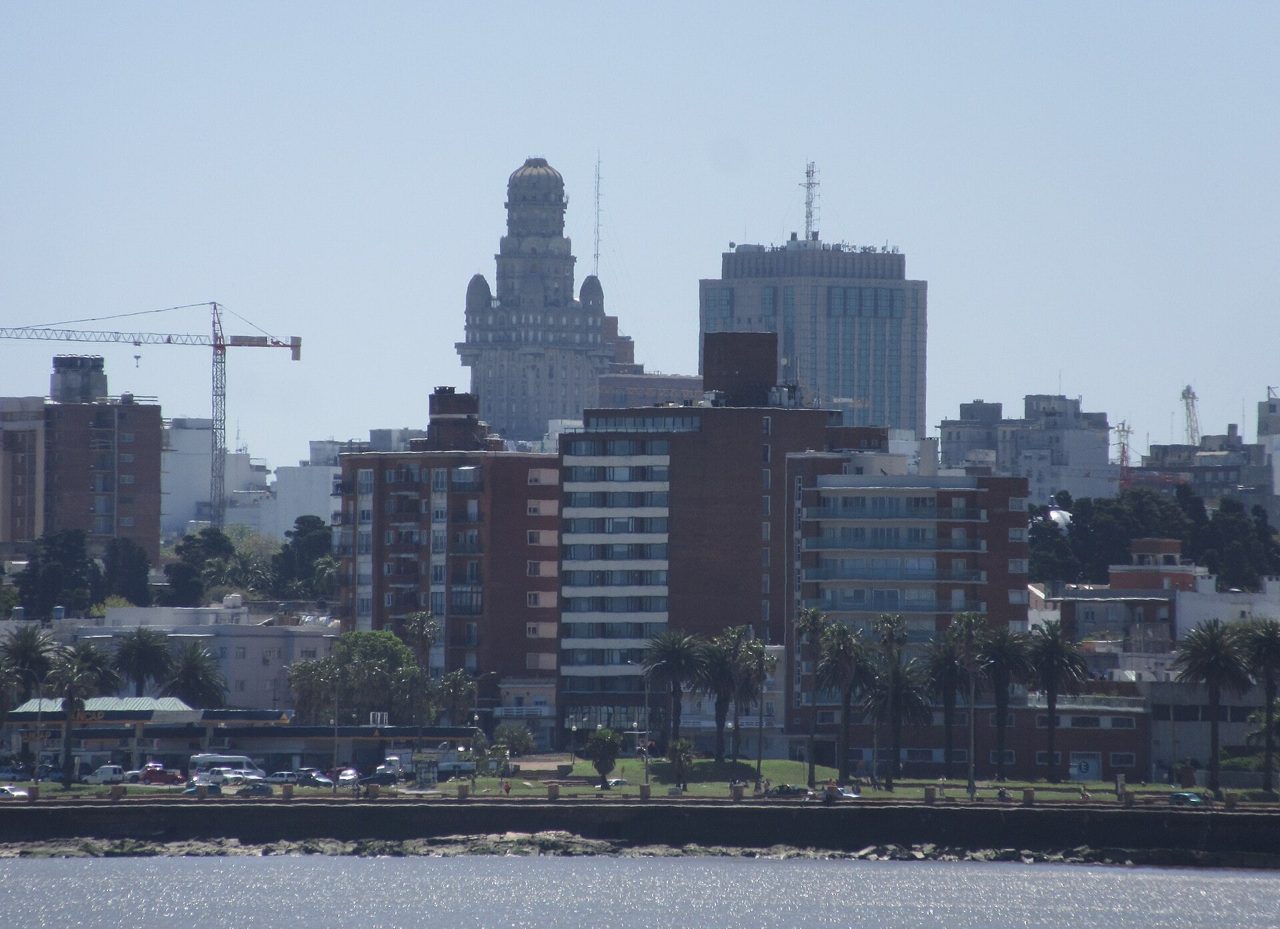
A labour dispute at Montevideo’s main container terminal is stranding cargo and threatening Uruguay’s reputation for stability just as its government grapples with a tight budget debate.
A strike at Uruguay’s primary container terminal is actively diverting ships and leaving hundreds of export boxes stranded on the docks. The work stoppage at Terminal Cuenca del Plata, which handles the bulk of the country's container traffic, has triggered emergency departures and outright cancellations by major carriers.
The immediate damage to supply chains is stark. Two vessels recently executed "cut and run" manoeuvres to flee the disruption. One ship alone departed without unloading roughly 500 full containers and without loading nearly 200 more, directly penalising exporters waiting for space.
The dispute pits about 550 workers against Katoen Natie, the Belgian logistics group that holds an 80% stake in the terminal. A collective agreement lapsed at the end of April, taking a no-strike clause with it. Workers are demanding guaranteed pay for 25 shifts a month or a roughly $1,200 monthly bonus while negotiations proceed. The operator has rejected this outright, citing millions in losses and labelling the demand coercion.
Business groups warn the situation is eroding Uruguay's operational credibility. The country has already endured 22 days of port disruption this year, following 36 days in 2025. Exporters note that this unreliability renders new trade agreements, including the long-awaited Mercosur pact with the European Union, practically useless if cargo cannot physically leave the country.
Political constraints
Resolving the standoff falls to President Yamandú Orsi, but political constraints limit his options. Orsi leads a centre-left coalition with deep union ties, making it highly difficult to force dockers back to work by declaring the port an essential service.
His capacity to absorb the crisis is severely diminished. A recent poll placed his approval rating near 20%, barely a year into his five-year term. The strike is also colliding with a highly uncomfortable congressional debate over the 2025 budget account, where the economy minister is already on the defensive explaining below-forecast growth.
For foreign capital, Uruguay’s primary appeal is its predictability compared to the rest of South America. A major port that shuts without warning and a politically weakened president unable to intervene represent a clear political-risk signal. The critical metric for markets is whether Orsi eventually overrules his union base to protect the country's export lifeline.