Querétaro slashes Hay Festival funds to build permanent theatres
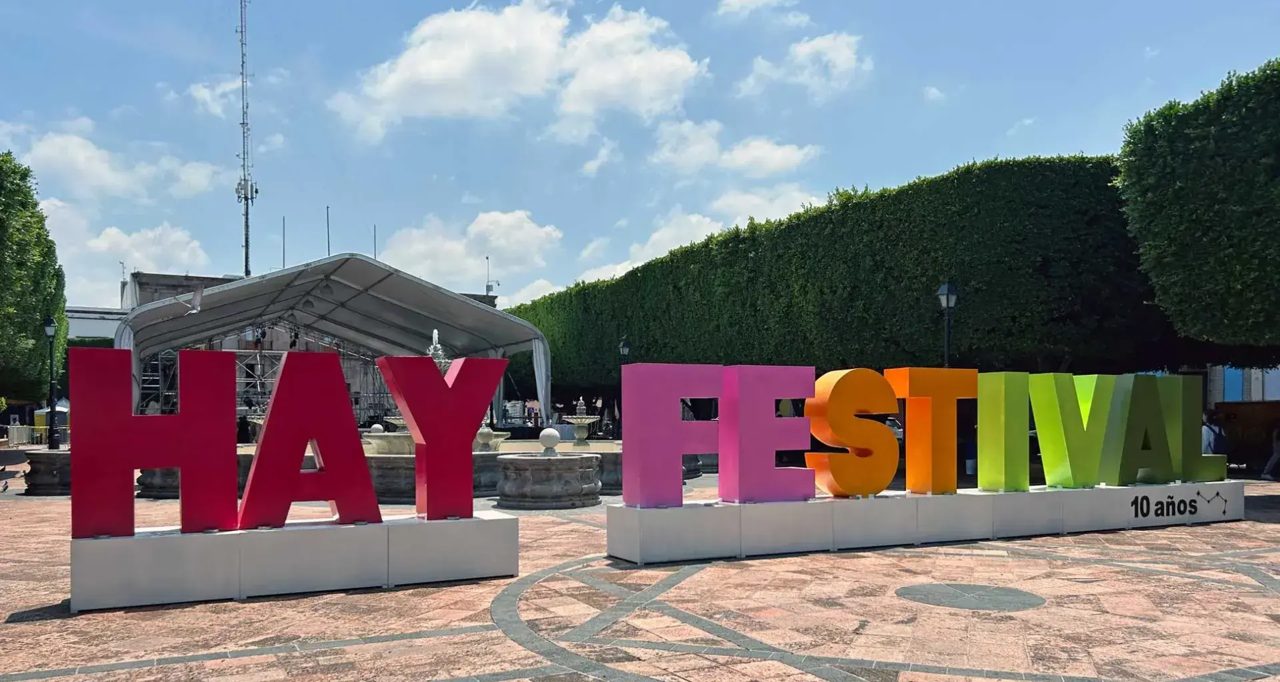
Querétaro's municipal government has cut public funding for the Hay Festival by 64% to redirect capital toward brick-and-mortar cultural infrastructure, signaling a shift in how mid-sized Mexican cities balance tourism marketing against long-term asset building.
The Querétaro municipality has reduced its direct funding for the 2026 Hay Festival to 4 million pesos ($216,000), down from 11.18 million pesos ($604,000) the previous year. Including other government sources, total public support for the September event fell 64.6% to 4.6 million pesos ($248,000). Organizers have plugged a fraction of the resulting 8.4 million peso ($454,000) gap with a 600,000 peso ($32,400) federal grant.
City officials are redirecting the capital toward renovating permanent venues, including the historic Teatro Hércules and the Teatro en la Ciudad. The municipality argued that public funds must be distributed evenly across projects that leave a lasting physical mark, rather than financing transient events. This represents a classic municipal dilemma in Latin America: choosing tangible, voter-facing infrastructure over soft-power cultural marketing.
For the local economy, the funding pivot trades short-term tourism revenue for long-term fixed assets. The Hay Festival historically draws an international audience to Querétaro’s UNESCO-listed historic center, generating immediate hospitality and retail spending. A scaled-back festival could dampen that seasonal economic bump, though upgraded theatres may eventually attract a broader year-round calendar of commercial events.
The municipal retreat leaves a 7.18 million peso ($388,000) hole in the festival's operating budget that ticket sales alone cannot fill, forcing a heavier reliance on private capital. Securing corporate sponsorships to replace lost public subsidies will test the event's commercial viability and force a pivot in its revenue model. If organizers fail to attract enough private backing, the 2026 edition will likely see a reduced international author lineup and fewer free community programs, directly impacting the event's scale.
The 2026 festival dates remain locked in for September 4 to 6, but the financial restructuring serves as a bellwether for international event organizers operating across Latin America. Municipalities facing tightening budgets are increasingly demanding permanent, brick-and-mortar returns on cultural spending rather than subsidizing global gatherings. If Querétaro's bet on renovated venues pays off, the upgraded theatres could one day host the festival itself, creating a new commercial dynamic between the city's fixed infrastructure and its temporary cultural attractions.