UK appoints ex-defense chief Healey as Chancellor amid spending tension
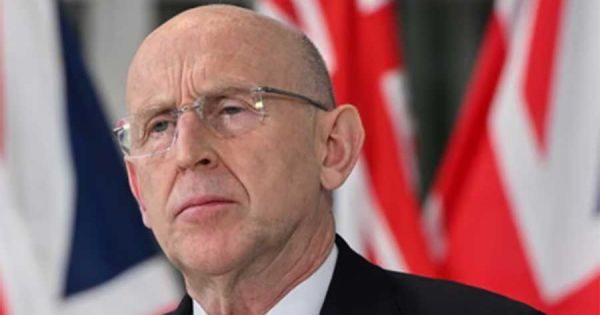
Prime Minister Andy Burnham has appointed former Defense Secretary John Healey as Chancellor, thrusting the architect of a recent funding revolt into the center of a looming fiscal clash over military spending.
Prime Minister Andy Burnham has appointed former Defense Secretary John Healey as Chancellor, a surprise move that places a vocal critic of Treasury spending limits in charge of the public finances. Mr. Healey resigned from his previous post just last month after a public row with Downing Street over military funding.
For markets, the appointment introduces significant uncertainty into the UK's fiscal trajectory. The new Chancellor must now reconcile his previous demands for a major defense uplift with his stated commitment to strict fiscal rules, raising the prospect of tax increases or welfare cuts to bridge the gap.
When he quit, Mr. Healey argued that military chiefs needed an extra £28 billion for the defense investment plan. He warned that without it, spending would only reach 2.68% of GDP by the end of the decade, falling short of the 3% target he insisted was necessary by 2030. NATO has since mandated that all members spend 3.5% of GDP on core defense by 2035 to counter the growing threat from Russia.
The role reversal presents a stark test for government finances. General Lord Dannatt, a former head of the Army, described the appointment as a “masterstroke”, noting that “no one that knows better than John Healey just what defense needs.” He added: “If John Healey is going to be true to himself, knowing exactly what the defense budget needs, he's going to have to work very cleverly and very carefully at finding ways of raising more money. He is the one behind the desk in Number 11, and has really got to answer his own question.”
Mr. Healey refused to rule out welfare cuts or new taxes on Monday night when asked how he would meet the 3% goal. He stated that “fiscal control is the first duty of any Chancellor” and that “fiscal credibility is the bedrock for economic stability and for national security.” He echoed the Prime Minister's pledge that the UK “will meet our commitments on defence to our international allies.”
Finding the funds will be complicated by the new government's immediate spending decisions. In one of his first acts, Mr. Burnham announced an £850 million tax cut on energy bills, making them VAT-free from October 1. While the government highlighted a £45 saving for forces families, the measure reduces revenue just as the Treasury faces pressure to fund a military buildup.
Mr. Healey previously argued that Britain must not let down its NATO allies, warning in his resignation speech that “our adversaries do not follow timetables set by the Treasury.” Investors will now watch to see if his new fiscal timetables reflect that urgency.