England bus fares capped at £2 as Burnham shifts climate funding
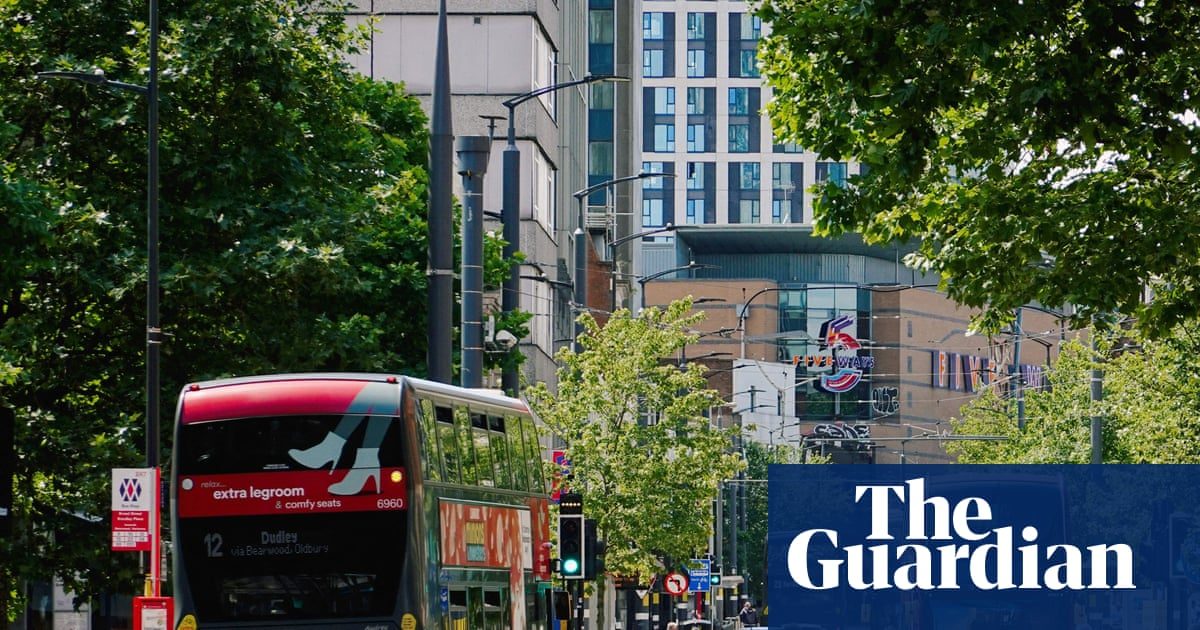
Prime Minister Andy Burnham has capped England bus fares at £2, funding the £500m consumer relief package by converting international climate finance grants into loans.
Single bus fares across England will be capped at £2 from January until the end of 2027, reversing a £3 limit introduced last year by former prime minister Keir Starmer and chancellor Rachel Reeves.
The scheme will cost more than £500 million. Chancellor John Healey defended the expense, arguing it directly aids consumers without raising taxes. “This action to ease the cost of living is funded by savings made elsewhere, so there’s no burden to British taxpayers, just pounds going back into their pockets,” he said.
The bulk of the funding involves switching £400 million in international climate finance investments from grants to loans. The remainder comes from budget savings at the Department for Energy Security and Net Zero and £50 million already set aside within the Department for Transport. Funds will also be allocated to devolved governments to implement similar policies.
For investors and market professionals, the funding mechanism is more notable than the fare cut itself. Repurposing climate finance to subsidise domestic transport marks a distinct shift from the previous administration's fiscal constraints, though it increases long-term sovereign liabilities by converting grants into repayable loans.
The cap excludes London, which sets its own rates, but applies nationwide elsewhere. Transport secretary Heidi Alexander framed the one-third price reduction as a tool for economic connectivity. “We’re cutting fares by a third to help with the cost of living, open up opportunities and keep people connected to work, school, healthcare and their friends and family,” she said.
The transport announcement follows a Tuesday pledge to remove VAT from electricity bills, saving households an average of £45 annually from October. Both moves arrived on Burnham's third day in office alongside Office for National Statistics data showing consumer prices index inflation fell to 2.6% in June, down from 2.8% in May.
Paul Nowak, general secretary of the Trades Union Congress, welcomed the interventions but urged further action. “Along with the tax cut to energy bills, capping bus fares is a good start and means working people can get around for cheaper. That’s good for households, businesses and local economies,” he said, while calling for a bank profit tax and a "social tariff."
Burnham previously instituted a £2 limit during his tenure as mayor of Greater Manchester. “Good, affordable transport links are an essential. No one should be priced out of those and left behind,” he said.