Rerouted Tankers Drive Up Asian Oil Costs Amid Iran Conflict
The closure of key Middle Eastern waterways is forcing Asian crude importers to take longer, more expensive routes, threatening a prolonged period of elevated energy costs for the region's economies.
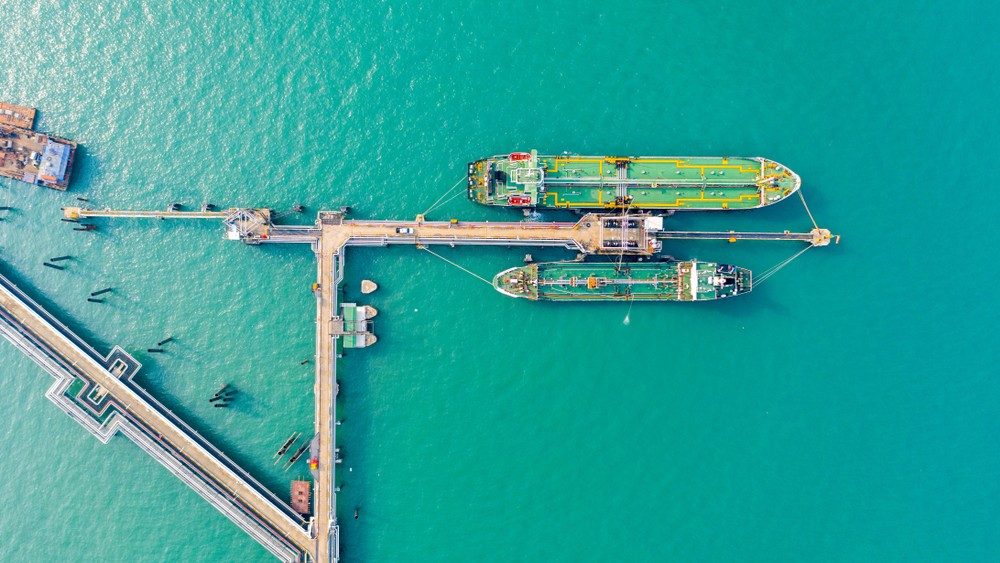
Asian crude buyers are facing a structural increase in freight and insurance costs after Houthi threats forced loaded tankers to abandon the Bab el-Mandeb Strait. With the Strait of Hormuz already shut down amid the U.S.-Iran conflict, ships destined for Asia are being forced to divert toward the Suez Canal. This significant extension of voyage times is driving up oil prices and squeezing margins across the region's supply chain.
At least three loaded tankers have executed U-turns in the Red Sea, turning back toward the Suez Canal to avoid a blockade threatened by Yemeni Houthi forces. While the canal offers a viable alternative passage, the added distance inflates the final delivered cost of crude. For a region that historically relies on Middle Eastern supplies due to geographical proximity and lower transport costs, these logistical detours represent a major financial shock.
The macroeconomic toll on importing nations is already quantifiable. India’s oil import bill surged by more than 60% in the three months ending in June, underscoring the severe burden on trade balances. As U.S. military strikes on Iran continued for an 11th time, international crude prices climbed higher, compounding the importers' bills. This price action suggests that recent mediation efforts are unlikely to produce an immediate ceasefire or alleviate the supply constraints.
For institutional investors and corporate planners, the current disruptions highlight a long-term vulnerability embedded in Asia's energy security framework. Vandana Hari of Vanda Insight told a Bloomberg event in Singapore that the region's reliance on nearby Middle Eastern crude has become a critical financial liability.
“There is a growing dependency on imports, and with that comes a dependency — or a vulnerability — to geopolitics,” Hari said. Because substituting these barrels with U.S. crude is economically unviable due to freight disparities, Asian markets remain trapped by this geographic reality.
“I think we are in a geopolitical flux; I think this is going to remain with us for decades, definitely years,” Hari warned. Market participants should therefore treat the current price premium not as a temporary spike, but as an early indicator of a prolonged era of elevated energy costs for Asian economies.