China Merchants drops Korea ETF role amid Seoul market volatility
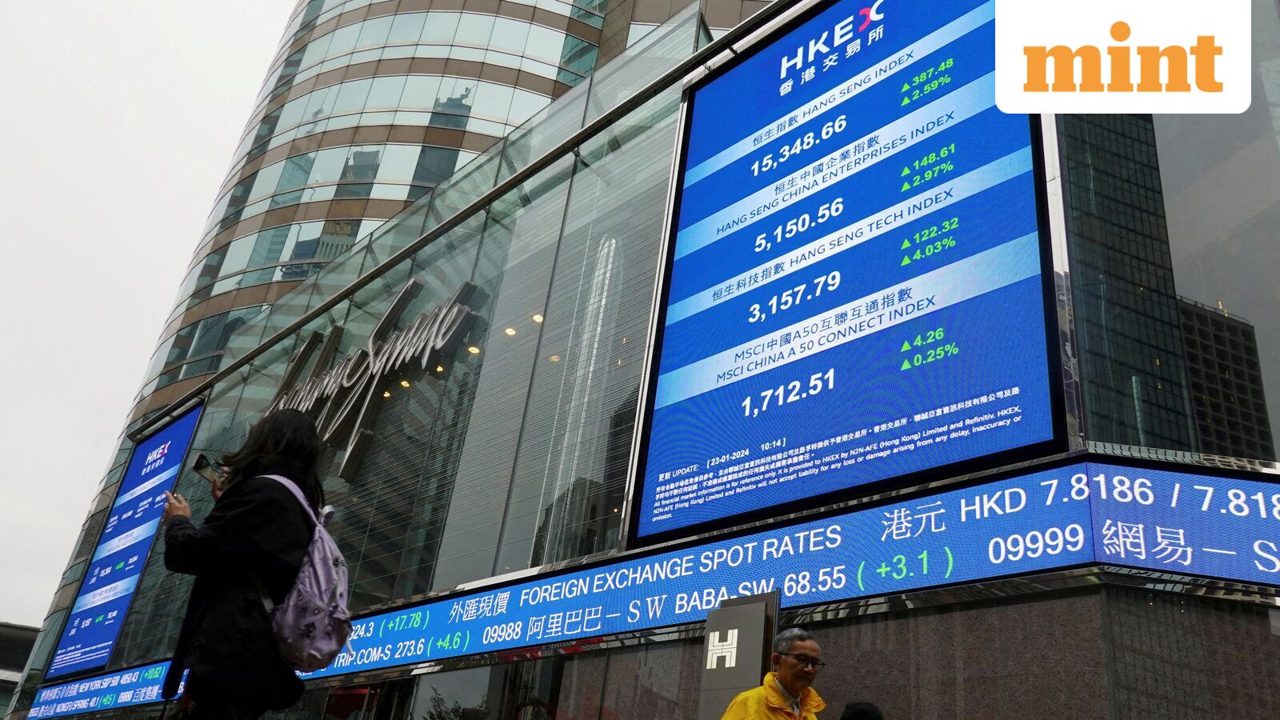
China Merchants Securities has withdrawn market-making support for the mainland’s only South Korean ETF and several other overseas funds, highlighting the liquidity risks investors face when foreign markets experience extreme price swings.
China Merchants Securities abruptly ended its role as a liquidity provider for the Huatai-PineBridge China-Korea Semiconductor ETF on Monday. The Shenzhen-based broker had only assumed the market-making duties for the fund on June 17. The withdrawal leaves the mainland's sole exchange-traded fund targeting South Korean equities without a designated buyer and seller of last resort.
The brokerage simultaneously halted market-making services for five other Qualified Domestic Institutional Investor (QDII) products. These additional funds tracked major international benchmarks, specifically Japan’s Nikkei 225 and the US Nasdaq 100 indexes. QDII funds serve as the primary regulatory channel for approved Chinese institutions to channel domestic capital into overseas markets within strictly defined limits.
“The decision was purely commercial and did not reflect our view on market directions,” China Merchants told financial media outlet JWView on Monday. Despite this official characterization, the sudden departure aligns with recent regulatory efforts in Beijing to stabilise domestic capital markets. Authorities have increasingly sought to shield retail investors from sudden shocks originating in foreign markets.
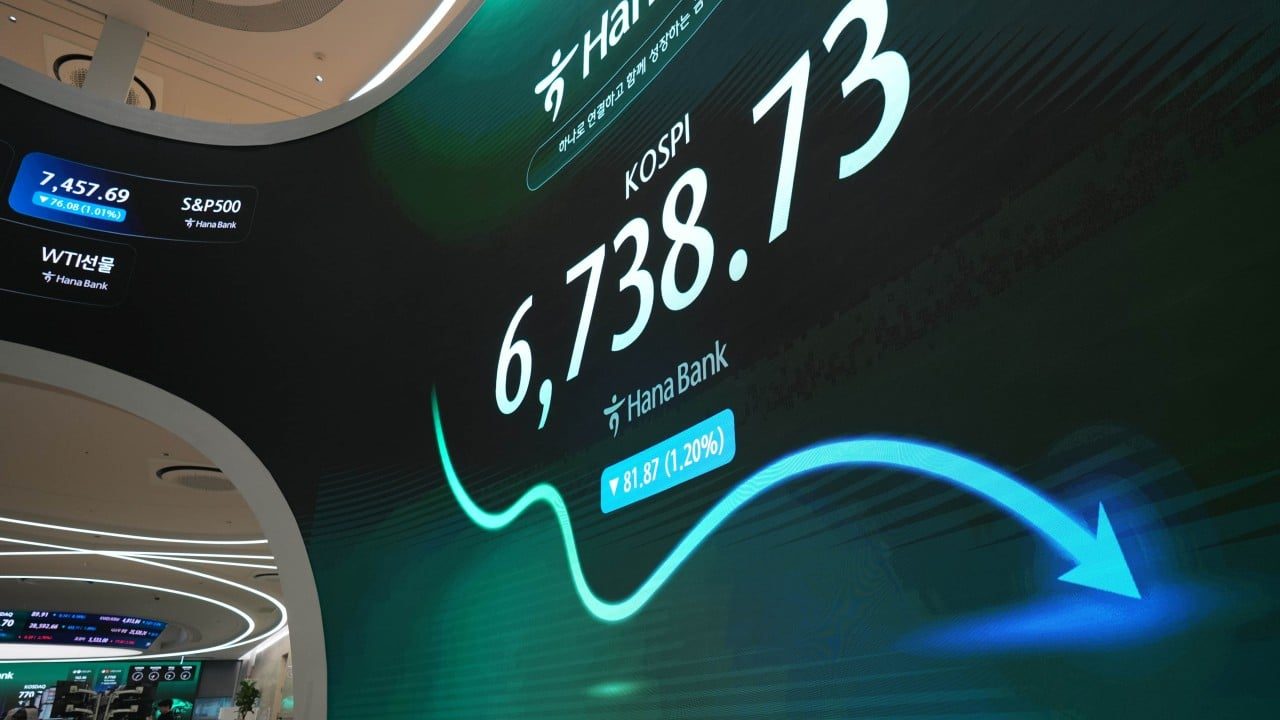
The immediate catalyst for the retreat is clear in the extreme price action unfolding in Seoul. The benchmark Korea Composite Stock Price Index collapsed by more than 28 per cent to close at 6,516.27 on Monday. This violent sell-off erased a significant portion of a massive 116 per cent rally that had driven the index from roughly 4,224 points early in the year to a record high of 9,385.59 on June 19.
Monday's session was defined by severe structural stress, overwhelming automated trading systems across the exchange. The chaos triggered eight marketwide circuit breakers alongside 37 individual "Sidecar" trading halts. These mechanisms act as mandatory cooling-off periods designed to temporarily pause algorithmic trading during extreme volatility.
For an active market maker, these conditions pose an acute balance sheet threat. The fundamental obligation of a liquidity provider is to continuously post buy and sell quotes. When an underlying asset experiences massive, rapid gaps downward, fulfilling this obligation forces the market maker to absorb heavy trading losses.
For institutional and retail investors holding these cross-border ETFs, the exit of a major liquidity provider underscores a critical operational risk. Without active market makers, such funds are highly susceptible to wider bid-ask spreads and severe execution difficulties during periods of market stress. The situation highlights the inherent fragility of niche offshore investment products when global risk dynamics shift violently.