UK PM Burnham's £850m VAT cut raises fiscal questions
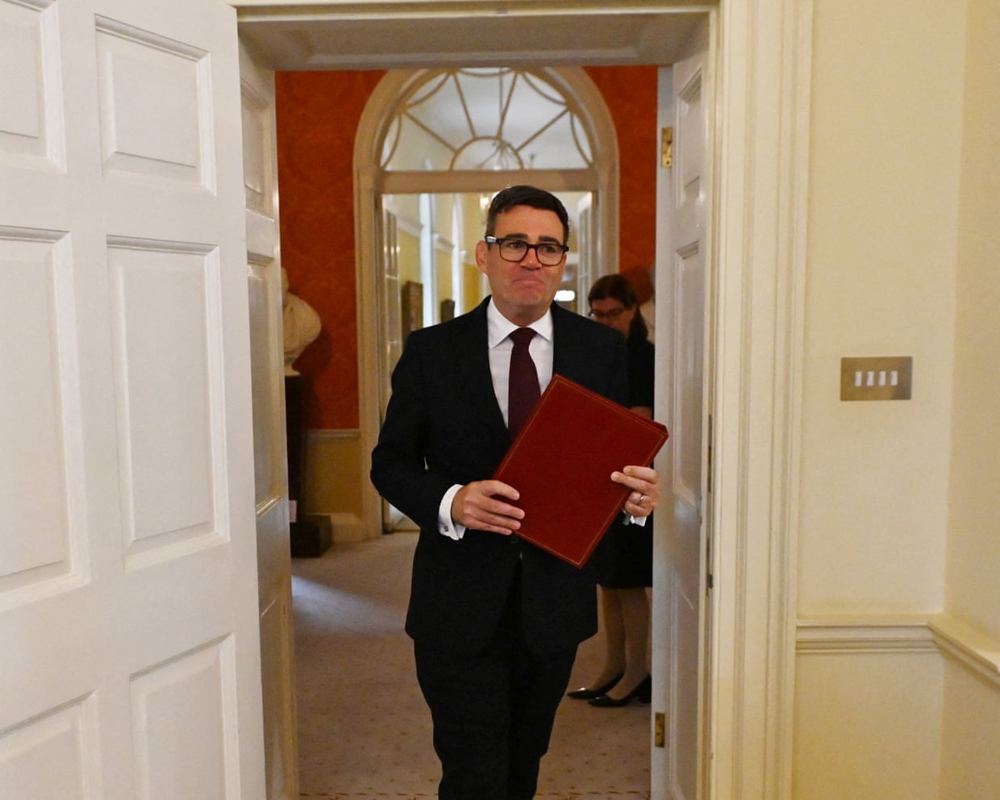
New Prime Minister Andy Burnham’s pledge to scrap VAT on electricity bills exposes a funding shortfall that signals impending departmental spending cuts to maintain fiscal discipline.
UK Prime Minister Andy Burnham has ordered the removal of VAT from electricity bills starting 1 October, a policy that will reduce the price cap by £45 at a cost of £850m next year. The announcement came during his first cabinet meeting, where he declared his administration a “cost of living government.”
The move immediately raised questions about the government's fiscal strategy. Mr Burnham pledged to fund the tax cut by scrapping the digital ID scheme, but Darren Jones, the former minister responsible for the programme, stated it was “unfunded”. Downing Street confirmed the measure is financed for the upcoming financial year, but admitted future years will require money from existing departmental budgets.
This points to impending spending cuts across Whitehall, leaving Chancellor John Healey to navigate a tighter fiscal landscape. Mr Burnham explicitly acknowledged these constraints, telling his cabinet the government must show “fiscal discipline” and a real commitment to fiscal rules. He also ruled out using higher borrowing to pay for defence spending.
Fiscal limits have already forced a reversal on income tax. Allies confirmed Mr Burnham abandoned plans to unfreeze the threshold at which workers start paying income tax. Raising the top rate to fund this was deemed a violation of Labour’s manifesto pledge not to increase income tax, national insurance, or VAT.
A larger fiscal question mark hangs over social care. Mr Burnham is accelerating a review by Louise Casey, moving its completion from 2028 to next year. Options under consideration include a national service funded by taxes or a social insurance model to cap costs, though officials concede this risks a political backlash reminiscent of previous "death tax" controversies.
The government is also restructuring its operations. A new Office for the Prime Minister and the Cabinet has been established, while the UK’s growth strategy will be managed by a new “No 10 North” hub in Manchester, overseen by de facto deputy prime minister Louise Haigh. Civil servants focused on growth are being offered relocation packages to move to the city.