Restaurants have been serving up fake food ads for decades, AI slop is just the latest special
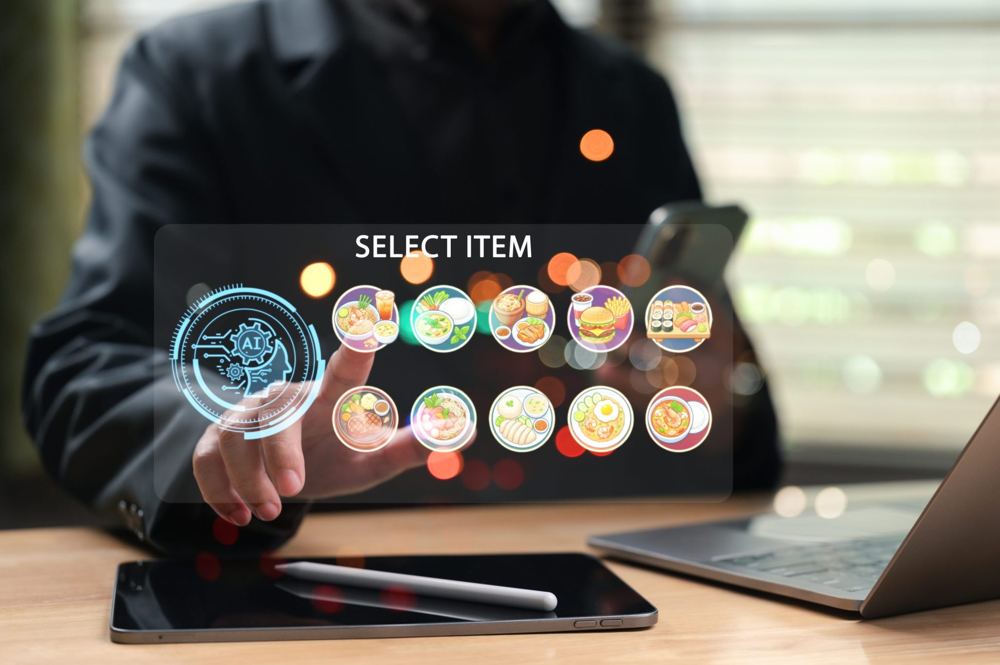
Generative AI gives restaurants a cheap alternative to food photography, but customers may prefer an imperfect photo of a meal that actually existed.
Throw a rock in New York City, and apparently you’ll hit an AI food ad.
At least that was X user Maggie Moda’s assessment after spotting a series of peculiar sidewalk signs outside the city’s delis and cafés in a post that has since racked up 2.8 million views. There were croissant sandwiches with almost comically perfect layers, an affogato with a side of random holes, and a chopped-cheese hero with cheese melted a little too perfectly over every piece of meat.
Generative AI is giving restaurants a cheap and remarkably easy alternative to photographing the food they sell. For small businesses without the time or money for professional food photography, that can be a real advantage. But the backlash to AI food ads reveals a paradox: Some customers would rather see an imperfect picture of a meal that actually existed than a polished one that didn’t.
The closer you look at an AI ad, the less it resembles lunch and the more it starts to trigger trypophobia, the fear of a pattern of holes. Sandwiches contain identical holes and repeating ingredients. One viral burrito has so many tiny holes that the internet simply christened it the “ trypophobia burrito .”
In other ads, cheese melts without an obvious beginning or end. Ingredients multiply into unnaturally neat rows. Croissants achieve levels of flakiness that seem to defy structural engineering. The images have become recognizable enough to earn their own unappetizing nickname: food slop. And not the sloppy Joe kind, AI slop.
When Grind & Unwind opened on San Francisco’s Haight Street in May, owners AJ and Lyndsey Lozano put a temporary menu in the window featuring AI-generated images of the restaurant’s food while they got the new business up and running, according to SFGATE . The internet was not impressed. A Reddit post titled “Yum, slop” drew more than 670 upvotes, with commenters comparing the focaccia to a “loofah” and a “lung.”
But the reason for the AI images was considerably less dramatic than the backlash. Lozano told SFGATE the pictures were only supposed to be temporary while the couple opened their first restaurant and cared for three children under 5.
A Chicago deli offered essentially the same explanation. Chi-Town Deli manager Ali Malik told Business Insider that its AI-generated sandwich images were temporary while the restaurant waited for a new sign featuring actual photographs.
“If a reasonable consumer would understand that the image was making actual claims about the composition or quality of the food, then that could be deceptive,” she said. But if it’s simply showing the general kind of thing a customer will get, “then it is not likely to be deceptive.”
And an “AI-generated” label isn’t necessarily a get-out-of-jail-free card. “It explains how the image was made; it does not correct a false impression about what is actually being sold,” she said.
Her rule of thumb is simpler: “Sell the product you depict, and depict the product you sell.”