Healey's spending record tests UK fiscal credibility
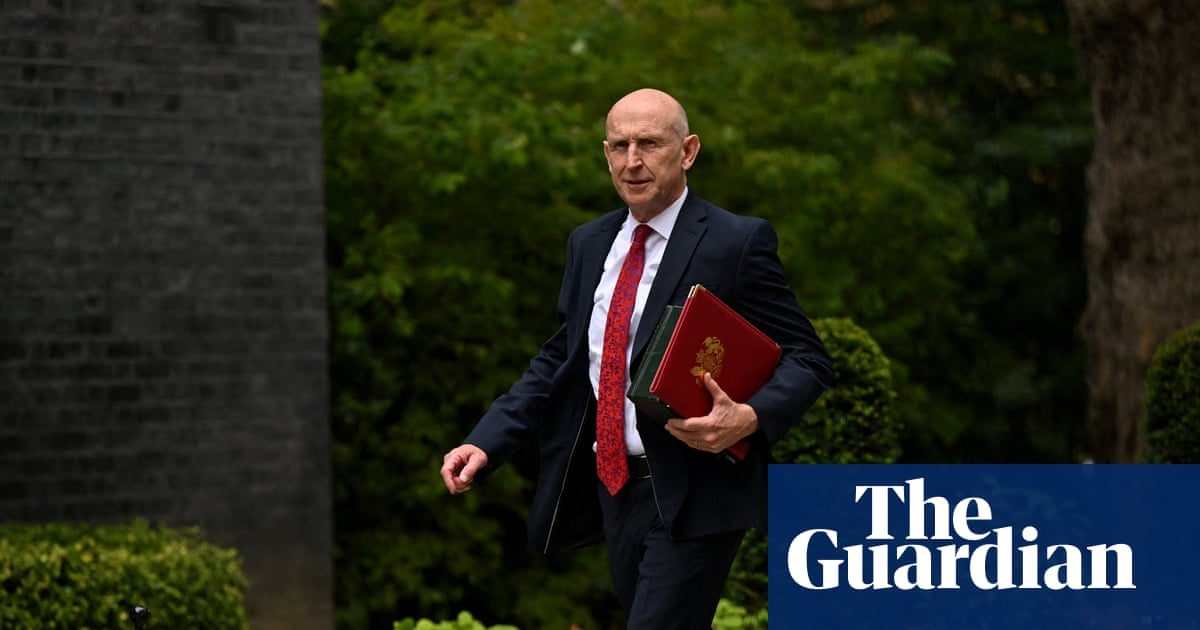
John Healey’s appointment as UK chancellor was designed to calm markets, but his record of demanding large budget increases at the defence ministry raises questions about his commitment to fiscal discipline.
Andy Burnham appointed John Healey as chancellor on Monday, handing the former defence secretary the task of funding ambitious policy pledges under strict fiscal constraints.
The new prime minister has promised not to raise income tax, VAT or national insurance, and to stick to the previous government’s borrowing rules. This places Healey in the exact same fiscal straitjacket that hampered his predecessor, Rachel Reeves.
While his appointment was designed to unite a fractured party and avoid scaring the markets, Healey’s recent record at the Ministry of Defence suggests a more relaxed attitude towards state spending. As defence secretary, he demanded an extra £28bn for the defence investment plan, just months after negotiating a multi-year budget.
That request infuriated Reeves. Allies of the former chancellor argued Healey had been misled by military chiefs into believing the strategic defence review was fully funded. However, those close to Healey attributed the funding gap to additional geopolitical commitments made by former prime minister Keir Starmer, including peacekeeping roles in Ukraine and the Gulf.
The clash has led some to question whether Healey truly is the safe, market-friendly choice he is billed as. “He is definitely not a fiscal hawk or even a firm hand in the tiller as he’s being portrayed by some,” one former government official said. “He is a big spender.”
There are also signs Healey will not simply act as a passive implementer of No 10’s financial strategy. “This is being billed as equivalent to Gordon Brown appointing Alistair Darling,” said one Labour official. “But it turned out Darling had views of his own which did not always chime with Brown’s – Andy has to avoid making the same mistake.”
Healey brings considerable political capital to the role. Since entering parliament in 1997, he has avoided factionalism and is respected across the party, having served five years in the Treasury under Brown. That broad support may be necessary as he prepares to make unpopular choices.
The new chancellor must now adjudicate funding battles between government departments. Wes Streeting, Healey’s replacement at the MoD, signalled on Monday that defence would still seek additional cash, noting: “We understand the sacrifices that involves from other government departments.”
For investors, the critical question is how Healey will respond when ministers come calling for emergency funds. His immediate instinct at the MoD was to ask the Treasury for more money. Markets will soon discover whether he applies that same logic now that he is in charge of the purse strings.