Ibovespa Liquidity Dries to Pandemic Lows on Summer Lull
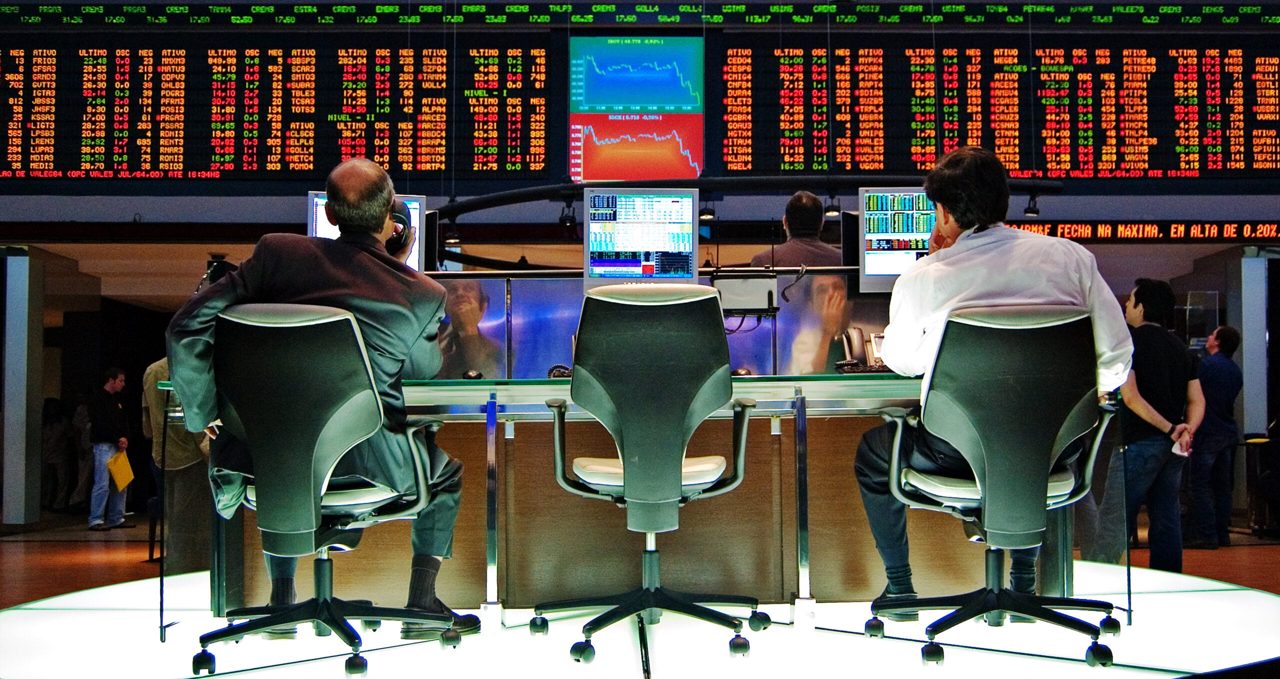
Average daily volume on Brazil’s Ibovespa has collapsed to pandemic-era levels, widening bid-ask spreads and driving up execution costs as seasonal holidays and election uncertainty keep foreign capital on the sidelines.
Average daily volume on Brazil’s benchmark Ibovespa index collapsed to R$6.03 billion (US$1.19 billion) this month, plunging nearly a third from R$8.94 billion in June. This marks the thinnest July trading since the pandemic-induced freeze of 2020. The drop is a sharp departure from July 2025, when average daily turnover stood at roughly R$8.1 billion.
For institutional traders, the liquidity drought translates directly into higher execution costs and impaired price discovery. With average daily trades falling to 834,350 from over a million in June, the gap between buyer and seller prices has widened. A relatively modest US$50,000 order can now shift the quote noticeably, making block exits difficult without moving the price against the seller.
Analysts attribute the sudden fragility primarily to the northern hemisphere summer holiday season, which emptied trading desks in New York, London, and Frankfurt. The early July US Independence Day break set a thin tone that persisted throughout the month. Compounding the seasonal vacuum is caution ahead of Brazil’s looming presidential election, with international funds opting to wait for clearer polling data before building large positions.
The standstill pauses what had been a strong recovery in foreign capital flows. International funds had injected R$21.5 billion into Brazilian equities by May 2025, the strongest influx since 2019, following a brutal 2024 that saw net outflows of R$24.2 billion.
Despite the trading drought, the index itself has held up, closing at 173,371 points on July 20 for a year-to-date gain of roughly 10.39%. Heavyweight names like iron-ore miner Vale have provided crucial ballast, with the stock single-handedly driving a near 3% index surge on July 11.
Market professionals expect execution conditions to remain challenging through August, another historically slow month. Liquidity normalization will likely wait until September, when overseas desks return to full capacity and Brazil's political trajectory comes into sharper focus.