Military Council Promises Guinea-Bissau Vote by December 2026 as ECOWAS Debates Sanctions
Guinea-Bissau economy waits on the promised December 2026 election as ECOWAS weighs sanctions and the cashew trade meets the cocaine shadow. The post Military Council Promises Guinea-Bissau Vote by December 2026 as ECOWAS Debates Sanctions appeared first on The Rio Times .
, The stakes. Guinea-Bissau’s new military junta must satisfy ECOWAS and foreign investors while managing a cashew-dependent economy shadowed by cocaine transshipment., The date. General Horta Inta-A Na Man was declared transitional president on 27 November 2025 for a one-year period ending with promised elections on 6 December 2026., The economic engine. Cashew nuts dominate exports, leaving Guinea-Bissau vulnerable to price swings as the junta tries to stabilise public finances., The security risk. Cocaine transshipment through coastal islands has long distorted politics and may shape how ECOWAS designs its sanctions debate., The election gambit. A 12-month transitional charter bars the interim president and prime minister from running, creating a narrow window for political recalibration.
A military council has transformed Guinea-Bissau into West Africa’s newest coup state. The junta promises a return to civilian rule by December 2026, but ECOWAS pressure and a fragile cashew economy will test that calendar.
Guinea-Bissau voted in presidential and legislative elections on 23 November 2025, but no official winner was declared. Incumbent Umaro Sissoco Embaló and opposition candidate Fernando Dias both claimed victory.
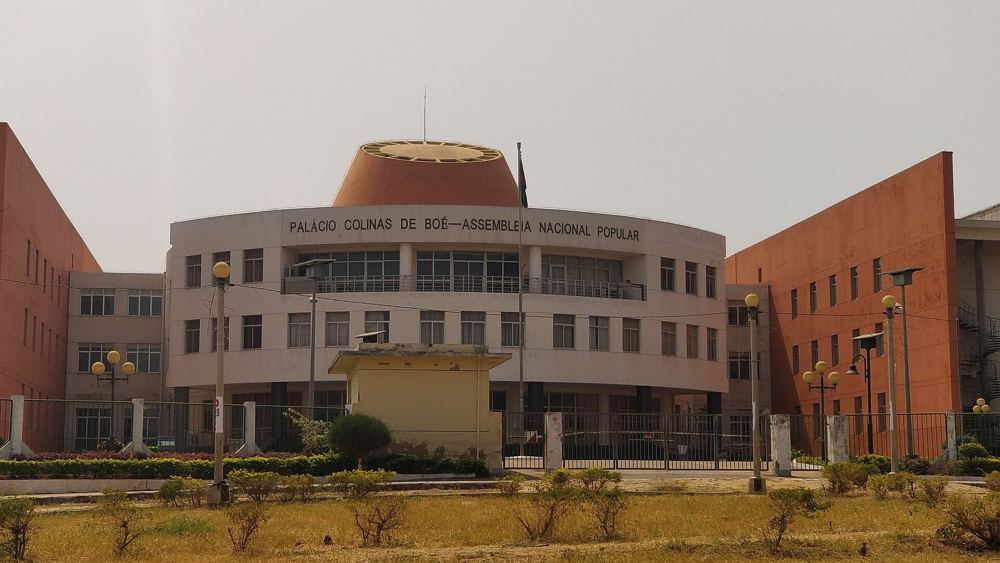
The country had no sitting parliament at the time because the National People’s Assembly had been dissolved in December 2023. That institutional vacuum made the electoral dispute more volatile.
On 26 November 2025, one day before provisional results were due, soldiers moved against the state. Brigadier General Dinis N’Canha, Head of the Presidential Military Office, announced that troops had taken “total control”.
Officers appeared on state television TGB to declare Embaló’s removal and the suspension of the electoral process. They also imposed a nighttime curfew and closed borders and airspace.
Embaló said he had been arrested as part of the takeover and was later reported to have left for Senegal. The coup created a military-led High Command for the Restoration of National Security and Public Order, known as the HMC.
Armed individuals took control of the National Electoral Commission offices during the coup. They seized ballots, tally sheets, and computers.
The commission said servers holding election results were damaged, making official publication impossible. On 2 December 2025, it announced it could no longer proceed with the vote.
Partial tallies reported by some outlets showed Fernando Dias with 278,846 votes (49.43%) against Embaló’s 268,516 votes (47.60%). Those figures could not be confirmed by the electoral commission.
The destruction of election material meant the 23 November vote was effectively annulled. This erased any legal anchor for either candidate’s claim to power.
For foreign observers, the server damage mattered because it removed the only neutral mechanism for resolving the presidential dispute. The junta’s roadmap replaced the ballot with a military schedule.
On 27 November 2025, the armed forces declared Army Chief of Staff General Horta Inta-A Na Man transitional president. He was installed for a one-year transition period.
After his swearing-in, the junta reopened borders and airspace and lifted the curfew. The move seemed designed to reduce immediate international friction.
Horta Inta-A appointed a cabinet of 28 members. Analysts noted that many were associated with ousted president Embaló, raising questions about the coup’s political direction.
A civilian former finance minister, Ilio Vie Té, was named prime minister under the transitional arrangements. His appointment gave the junta a technocratic face for economic negotiations.
The presence of Embaló-linked figures complicated the opposition’s narrative that the coup was a clean break. It suggested continuity between the old security establishment and the new military council.
On 4 December 2025, the Military High Command announced formation of a National Transitional Council. The council would draft a Transitional Charter to govern the interim period.
On 10 December 2025, the junta adopted a 12-month transitional charter with 29 articles. The charter bars both the interim president and prime minister from contesting post-transition elections.
The charter mandates presidential and legislative elections at the end of the one-year transition. The transitional president is responsible for setting the specific date.
A National Transition Council of 65 members was created to serve as a transitional legislative assembly. Ten senior officers represent the Military High Command within that body.
International IDEA noted that the charter openly bars interim leaders from running. That provision was likely included to pre-empt ECOWAS criticism about military self-perpetuation.
On 22 January 2026, the transitional authorities set 6 December 2026 as the target date for presidential and legislative elections. The date gives the junta roughly a year to manage pressure.
The calendar aligns with the one-year transition announced in November 2025. Any delay beyond that would likely trigger a harder ECOWAS response.
The transitional charter creates a narrow path: register voters, rebuild electoral infrastructure, and monitor security within eleven months. The electoral commission must essentially restart from scratch.
Because the November 2025 vote was annulled, there is no baseline roll to update. The junta will need new voter lists and new equipment after the commission’s servers were damaged.
For investors in the Guinea-Bissau economy, the December 2026 date is both a risk marker and a potential stabiliser. A credible vote could release budget support and donor financing.
ECOWAS faced a dilemma after the coup because Guinea-Bissau had no legitimate civilian authority to restore. The bloc has sanctioned previous coup states but must weigh border and trade impacts.
Analysts described Guinea-Bissau as the real test of ECOWAS efficacy after earlier coups in the Sahel . The junta’s promise of a short transition gave the bloc room to negotiate.
The sanctions debate centred on whether to impose travel bans and asset freezes on junta leaders. ECOWAS also had to consider the cashew export season and informal cross-border trade.
The appointment of a civilian prime minister and the charter barring interim leaders from running were read as concessions to regional pressure. They allowed ECOWAS to avoid immediate full sanctions.
However, the presence of military officers on the National Transition Council remains a point of contention. ECOWAS has historically rejected any legislative role for soldiers.
The Guinea-Bissau economy relies heavily on cashew nuts as its main export crop. That concentration leaves state revenue exposed to weather, global prices, and transport disruptions during political crises.
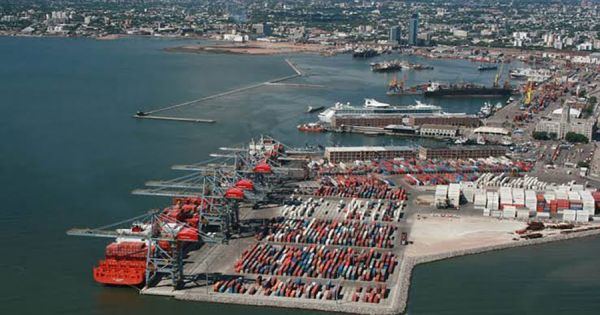
Cashew exports usually move through Bissau port, which has periodically faced congestion and payment delays. The junta must keep the port functioning to maintain basic budget flows.
Foreign investors watch cashew purchase prices as a proxy for political stability. A contested transition or renewed violence would depress farm-gate prices and trader confidence.
The cabinet appointment of a former finance minister signals that the junta understands the need for budget credibility. Yet no major public finance figures from the research block confirm a financing plan.