World Cup Day-Trippers Curb Mexico Hotel Revenues, Domestic Demand Rises
A surge in Mexican domestic travel is driving record summer hotel occupancy, offsetting lower-than-expected World Cup hospitality revenues caused by a flood of short-stay foreign visitors.
Mexico is on track for a record summer tourism season, but the underlying economics reveal a stark divide. A projected 22.4 million travelers between late July and late August are expected to drive historic volume, largely fueled by Mexican nationals rather than the international crowds anticipated for the World Cup.
The three host cities, Mexico City, Guadalajara, and Monterrey, welcomed 3 million foreign visitors between June 8 and July 12. Yet 60% of those arrivals never booked a hotel room. While host cities hiked room rates by nearly 52%, average tournament occupancy was just 65%, spiking to 85-95% only on match days. Total spending landed at roughly MX$40 billion (US$2.3 billion), a figure constrained by the lack of overnight guests who typically spend on multi-day dining and transport.
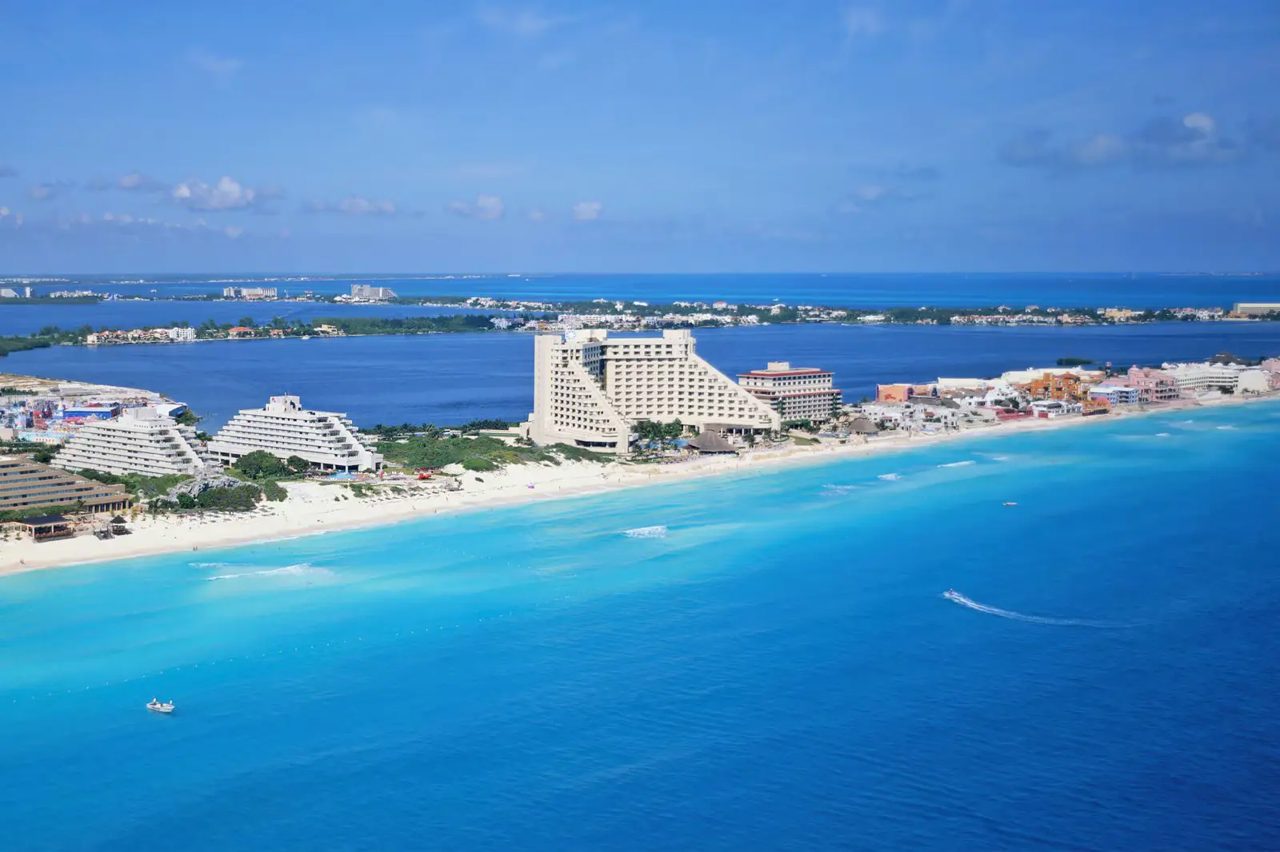
Domestic tourists have absorbed the slack. During the national school holiday window, local travelers are filling rooms and pushing projected occupancy in Cancún to 67.9%, the highest rate in the country. This familiar seasonal rhythm has long anchored the sector, but this year it is compensating for muted international event-driven demand.
For market professionals, the most significant trend is the strength in mid-sized cities. Morelia leads with a projected 26.8% jump in hotel arrivals, followed by Mérida at 23.4% and Acapulco at 20% as it continues its post-disruption recovery. Puerto Vallarta has also emerged as a standout, with some properties hitting 95% occupancy recently, outpacing traditional heavyweights like Cancún and Los Cabos.
This geographic dispersion of domestic demand carries clear investment implications. Cities like Mérida and Morelia rely on local travelers seeking value, making their hospitality and residential real estate markets less vulnerable to fluctuations in international travel sentiment. Conversely, the World Cup host experience serves as a cautionary tale for developers banking on mega-events; aggressive rate hikes risk pricing out guests when visitors can easily fly in and out on the same day.
The broader foreign arrival metrics remain healthy, offering a stable baseline. In the first quarter of 2026, Mexico received 26.22 million international visitors, a 10.2% increase from the prior year. The United States supplied 67.3% of those arrivals, followed by Canada, Argentina, and Italy. The Tourism Ministry projects a minimum 5% post-tournament bump in overall visitor numbers, which would reinforce the country's ongoing post-pandemic rebound.
However, the summer data underscores that television exposure does not automatically translate into hotel nights. As Mexico's tourism sector matures, the financial rewards are increasingly flowing to markets that cater to multi-night stays rather than transient event crowds.