Unilever Nigeria posts 22% revenue growth, pays ₦11.5bn dividend
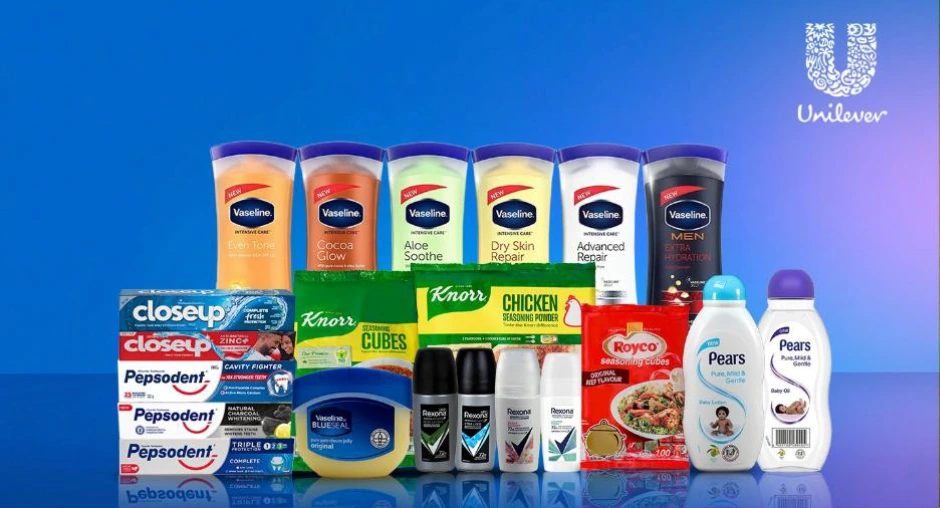
Unilever Nigeria grew first-half revenue by 22% and expanded gross margins despite inflationary and consumer headwinds, rewarding shareholders with an ₦11.5bn interim payout.
Unilever Nigeria Plc recorded turnover of ₦119.9bn for the six months ended 30 June 2026, representing a 22% increase from ₦98.1bn in the corresponding period of 2025. The consumer goods manufacturer backed this topline expansion with a solid improvement in profitability, growing net profit to ₦15.6bn from ₦14.4bn a year earlier.
For market professionals, the most significant takeaway from the unaudited results is the rate of gross margin expansion. Gross profit grew by 30% to ₦54.7bn, up from ₦42.1bn in the first half of 2025, outpacing revenue growth and pushing the gross margin to 45.6%. This divergence suggests that Unilever Nigeria successfully navigated rising input costs through a combination of strategic pricing, operational efficiencies, and cost controls, rather than absorbing the expenses or relying solely on volume.
The balance sheet strength implied by this margin improvement translated directly into shareholder returns. The board approved an interim dividend of ₦2.00k per 50 kobo ordinary share, amounting to a total payout of ₦11.5bn. This distribution is subject to applicable withholding tax and will be paid to shareholders on the register by the close of business on 31 July 2026.
Executing this level of profitability and cash distribution required maneuvering through a turbulent macroeconomic landscape. Managing Director Tobi Adeniyi highlighted the specific obstacles the company faced during the period. “We delivered a strong first half in a challenging operating environment, marked by geopolitical volatility, rising input costs and pressure on consumer spending,” he said.
To offset these headwinds, Adeniyi pointed to internal operational levers rather than macroeconomic relief. “Despite these headwinds, we continued to grow by staying focused on what we can control: serving consumers better, driving optimal distribution via route to market excellence, delivering impactful innovations, and executing with discipline,” he stated. This focus on distribution and innovation appears to have protected the company's pricing power even as consumer budgets tightened.
Looking ahead, the company’s leadership signaled that the current strategy will remain intact. Adeniyi noted that the growth across the portfolio validates a long-term thesis on the Nigerian market, where Unilever has operated for over a century. “Looking ahead, we remain focused on winning with consumers, driving sustainable profitable growth, and building a future-fit business that delivers lasting value for all stakeholders,” he said.