Oil surges on US-Iran war, doubling RBA rate hike probability
A full-scale US-Iran conflict has driven Brent crude up 23% in two weeks, doubling market expectations for a Reserve Bank of Australia rate hike as stagflation risks mount.
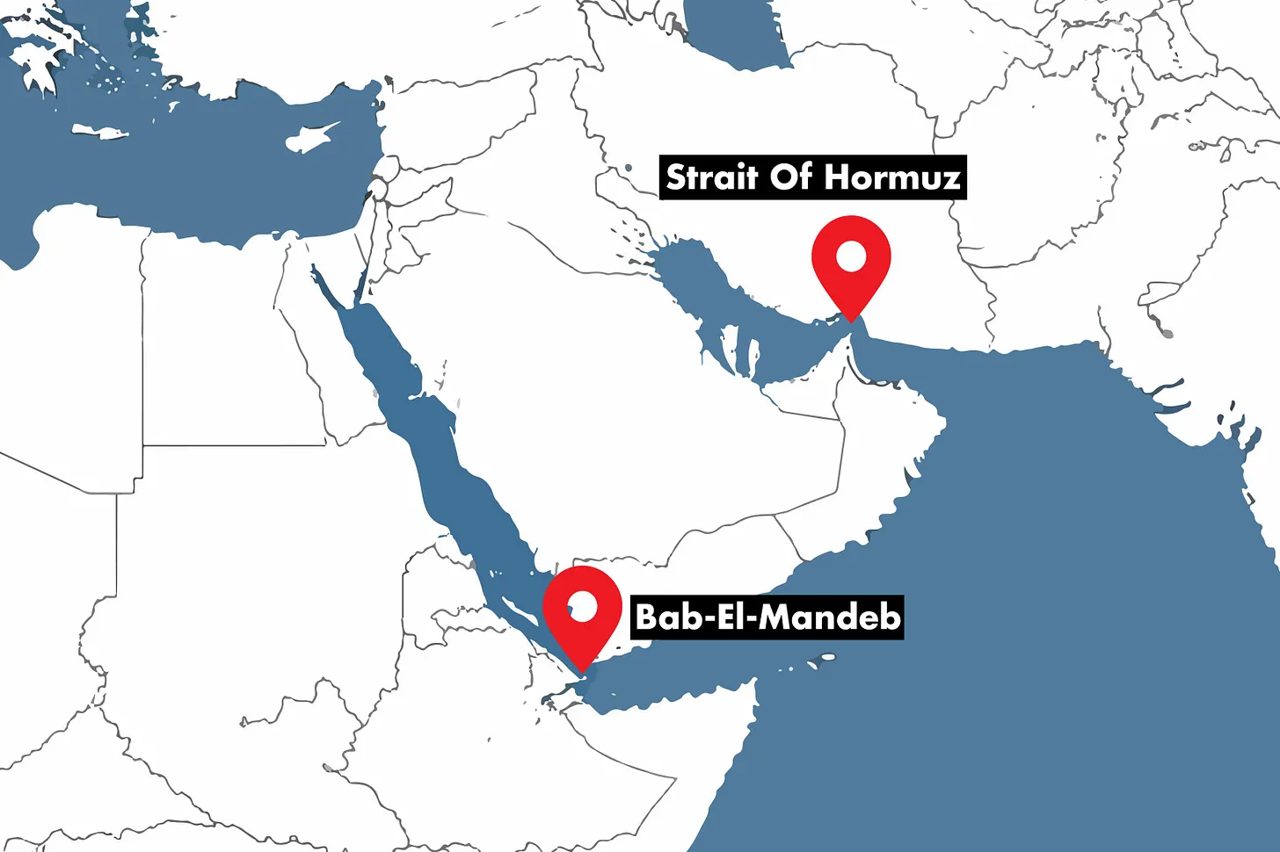
The collapse of a fragile ceasefire between the United States and Iran has propelled global energy prices sharply higher, tightening an already depleted oil market. Brent crude has surged 23% over the past two weeks, putting the international benchmark back within reach of $US90 a barrel. The escalation follows Iran's declaration of "full-scale war" and threats by Houthi rebels to blockade millions of barrels of Saudi Arabian oil passing through the Red Sea.
The geopolitical shock is sending a stagflationary pulse through the Australian economy, fundamentally altering interest rate expectations. Financial markets have rapidly doubled their bets on a Reserve Bank of Australia (RBA) intervention. According to ANZ, the probability of an interest rate hike by November has jumped from 40% to 80% over the past two weeks. Traders now also price a near 30% chance of a fourth rate increase on August 12, up from 16% previously.
Domestic fuel markets are quickly reflecting the global supply squeeze. On Australia's east coast, diesel prices have climbed by 40 cents in July to approximately $2.10 a litre, according to data from Motormouth. Unleaded petrol has increased by 25 cents to around $1.75, a rise compounded by the expiration of federal fuel excise relief earlier this month.
Analysts warn that dwindling global stockpiles leave the energy market highly vulnerable. Daniel Hynes, a senior commodity strategist at ANZ, noted that US oil reserves are breaching technical limits. This forces American buyers to compete for scarce seaborne cargoes, driving up international prices. Hynes stated that $US80 to $US90 a barrel is now a more realistic baseline than the low 70s seen during the ceasefire, warning that $US100 is achievable if the crisis deepens. “Obviously the risks rise day by day; the market is at a critical juncture,” he said.
Luke Yeaman, chief economist at CBA, highlighted the dilemma facing the central bank as it battles elevated inflation against a sharply slowing domestic economy. He noted that surging oil feeds inflation but simultaneously restricts economic growth. “In the short term that could mean the case for one further rate hike is higher,” Yeaman said. “But calls for multiple … rate hikes are a little overblown.”
Should the conflict sever the Strait of Hormuz without a negotiated settlement by late August, Yeaman warned that crude could hit $US150 a barrel. Such an extreme spike would severely test an Australian economy already buckling under three previous rate hikes and a cooling housing market. Yeaman forecasts domestic growth will slow to 1.5% by year-end, from 2.5% in 2025, though he expects the government would reinstate fuel excise discounts to shield households if prices spike dramatically.