Vale Iron Ore Output Climbs But Brazil Seeks Board Seat
Vale's second-quarter iron ore production rebounded to 85 million metric tons, but rising costs and a new government push for board representation threaten to squeeze margins and complicate the miner's capital allocation.
Vale’s iron ore production rebounded in the second quarter, hitting an estimated 85 million metric tons, but the operational improvement was immediately clouded by a Brazilian government push to install a director on the company’s board.
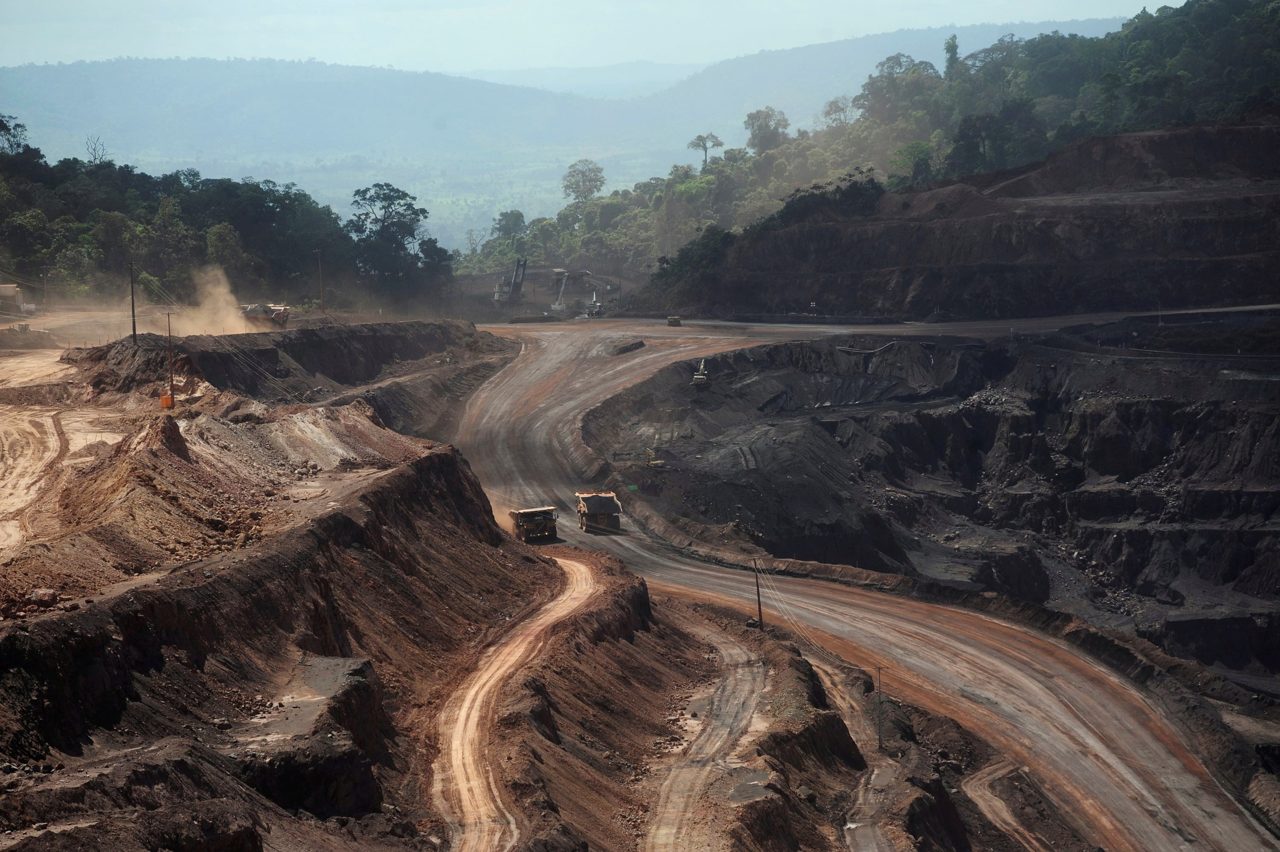
The output recovery, driven by additional volumes from the Capanema and Vargem Grande complexes in Minas Gerais, marks a brisk turnaround from a sluggish first quarter. However, Citi analysts warn that stubbornly high operating expenses will likely drag net profit down 14 percent year-on-year to roughly $1.8 billion. While adjusted EBITDA is expected to jump 15 percent to $3.8 billion on the back of higher sales, the underlying financials reveal a tightening margin.
For investors holding Vale’s New York-listed ADRs, higher production volumes do not automatically guarantee stronger free cash flow or fatter dividends if costs rise faster than revenue. The elevated expenses are driven by global inflation and local realities, notably expensive diesel and the logistical burden of transporting ore across greater distances as older mines are exhausted.
Complicating the financial picture is Brasília’s formal nomination of a candidate for Vale’s boardroom. The Brazilian state relinquished controlling ownership during the 1997 privatization but retains a golden share that grants veto power over strategic decisions, alongside a minority equity stake held through state development bank BNDES.
A single government appointee will not instantly alter the balance of a 13-member board. Yet it introduces a direct voice for non-commercial mandates—such as domestic job creation and subsidized steel—into a boardroom that management has spent years positioning as strictly disciplined on shareholder returns and asset divestments.
This governance friction matters beyond the company itself. International portfolio managers view Vale as a litmus test for political interference in large, state-adjacent Latin American companies, a dynamic that directly influences the risk premium applied to the broader Brazilian B3 exchange.
The July 30 earnings call will bring these dual narratives into focus. Investors will be listening for management's response to the government’s presence, but the definitive metric will be the all-in cost per ton, which will reveal whether the production recovery is actually reaching the bottom line.