Record Saudi Red Sea Crude Flows Face Houthi Blockade Threat
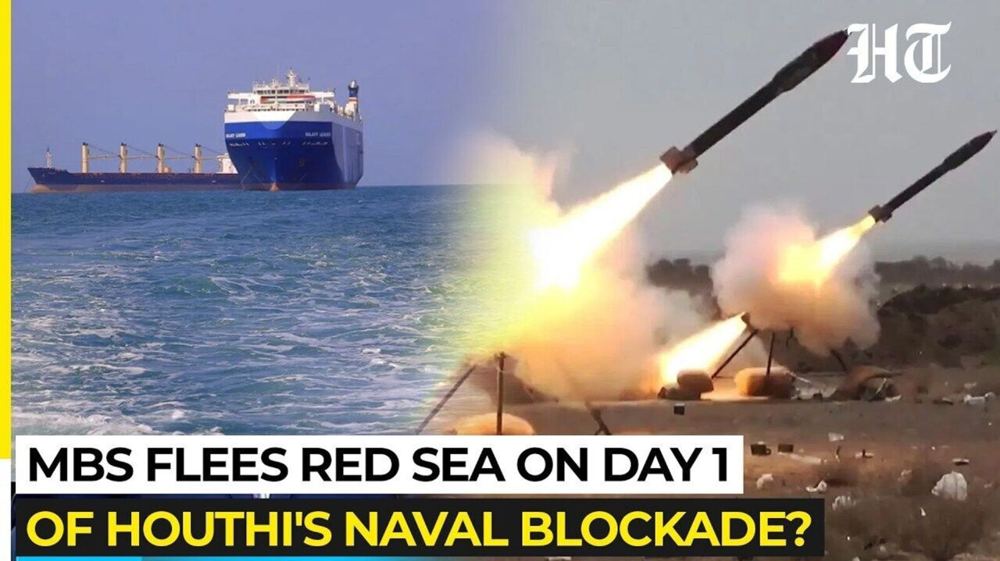
Saudi Arabia shipped a record volume of crude through the Red Sea just before Houthi rebels threatened a blockade, risking a new surge in oil prices that had been stabilised by this exact supply route.
Saudi Arabia exported an unprecedented 5.9 million barrels of crude per day from its two Red Sea terminals at Yanbu in the week leading up to July 17. That volume slipped to 5.5 million barrels daily by July 20, just as Houthi rebels announced a naval blockade targeting the kingdom's shipments.
The timing highlights a sudden risk to a critical supply lifeline. Throughout the ongoing Iran war, Riyadh has successfully utilised its west coast infrastructure to reroute crude away from the Persian Gulf. This pipeline and export strategy has been pivotal in calming global oil prices. Should the Houthi cordon be successfully enforced, the market loses a major supply workaround, adding upward pressure to futures that were already trading near $89 a barrel on Tuesday.
The Yemen-based militant group stated the blockade is a direct response to what it describes as a Saudi siege on the capital, Sana'a. The rebels also highlighted their links to Iran. In a direct warning to commercial shipping, the Houthis emailed ship owners to advise against calling at Saudi ports. The Saudi energy ministry did not immediately respond to requests for comment.
Despite these explicit threats, physical market activity has not ground to a halt. Vessels are still navigating to Saudi Arabia's Red Sea ports. At least some Asian buyers are continuing to send tankers to pick up contracted cargoes. The tracked Yanbu figures include internal Saudi deliveries, specifically crude routed to Jizan where Saudi Aramco operates a refinery, as well as fuel for local Red Sea power plants.
The physical defence of these exports now rests on the Bab el-Mandeb Strait. This narrow waterway connects the Indian Ocean to the Red Sea and serves as the unavoidable maritime gateway for all west coast shipments. Recognising the vulnerability, a Saudi-led military coalition announced on Monday that it has begun implementing operational measures specifically designed to protect commercial ships transiting this crucial chokepoint.