$20bn weather threat drives crop engineering push
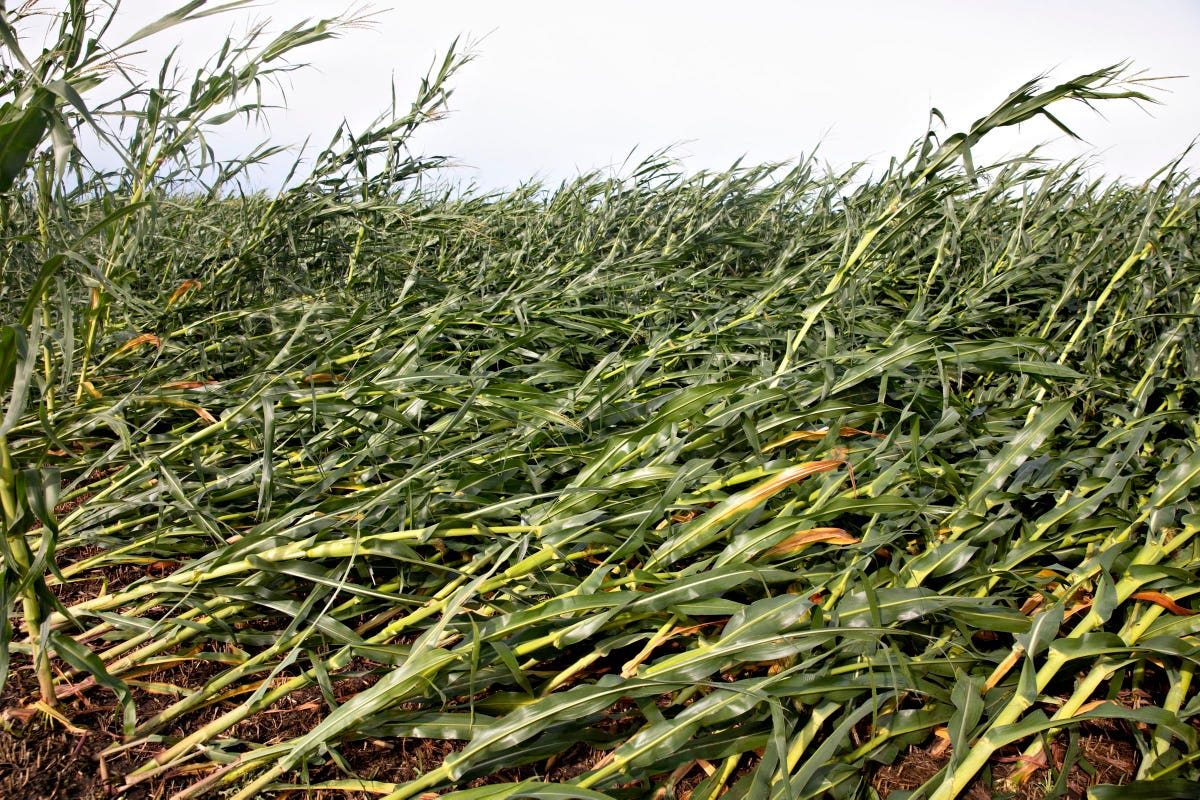
As extreme weather destroys $20bn in US crops annually, agribusinesses are accelerating the development of climate-resilient varieties to protect agricultural yields and capture a high-return market.
Extreme weather is inflicting roughly $20 billion in annual losses on US agriculture, triggering a fundamental shift in crop science away from maximizing yields and toward managing climate risk.
This pivot represents a significant commercial opportunity for the agricultural sector. According to the UN's Food and Agriculture Organization, investments in climate-smart agriculture can generate up to $8 in returns for every $1 spent.
Major agribusinesses are already bringing initial solutions to market. Bayer Crop Science’s Preceon Smart Corn System and Corteva’s reduced-stature corn grow to roughly seven feet, compared to the typical nine to twelve feet. These shorter hybrids have shown a 64% improvement in withstanding wind damage.
University of Missouri researcher Erin Sparks, who has analyzed these shorter varieties, found that plant height is only part of the equation. “If you have a rigid base, you're fragile, but if you have a more flexible base, you can actually withstand winds better,” she said. Her team discovered that a flexible root system is essential to absorb wind gusts, a critical trait for preventing the massive crop lodging that destroyed over 10 million acres of Iowa corn and soybeans during a 2020 storm.
Beyond wind, heat poses a severe financial threat to global grain supplies. Wheat is highly vulnerable, with post-flowering temperatures above 90 degrees Fahrenheit causing an approximate 2% reduction in grain weight for every two-degree increase. Scientists are exploring CRISPR gene editing to build heat tolerance, but the genetics are notoriously complex.
“It is not just a single gene that controls the trait, and so that makes the gene editing approach more challenging,” said Peter Innes, a postdoctoral researcher at the University of Colorado Boulder.
Because complex traits like heat tolerance and flowering time involve vast gene networks, traditional breeding methods and controlled stress testing remain the primary development tools.
The major constraint for the sector is time. It takes 10 to 15 years to develop and commercialize a new crop variety, leaving farmers exposed to climate volatility in the near term. Bridging that gap will require heavy capital investment. “I think we're going to have to come at it from both sides, using all the available tools, whether that's traditional breeding or genome editing,” Innes said.