Stranded Assets Draw Western Oil Majors Back to Russia
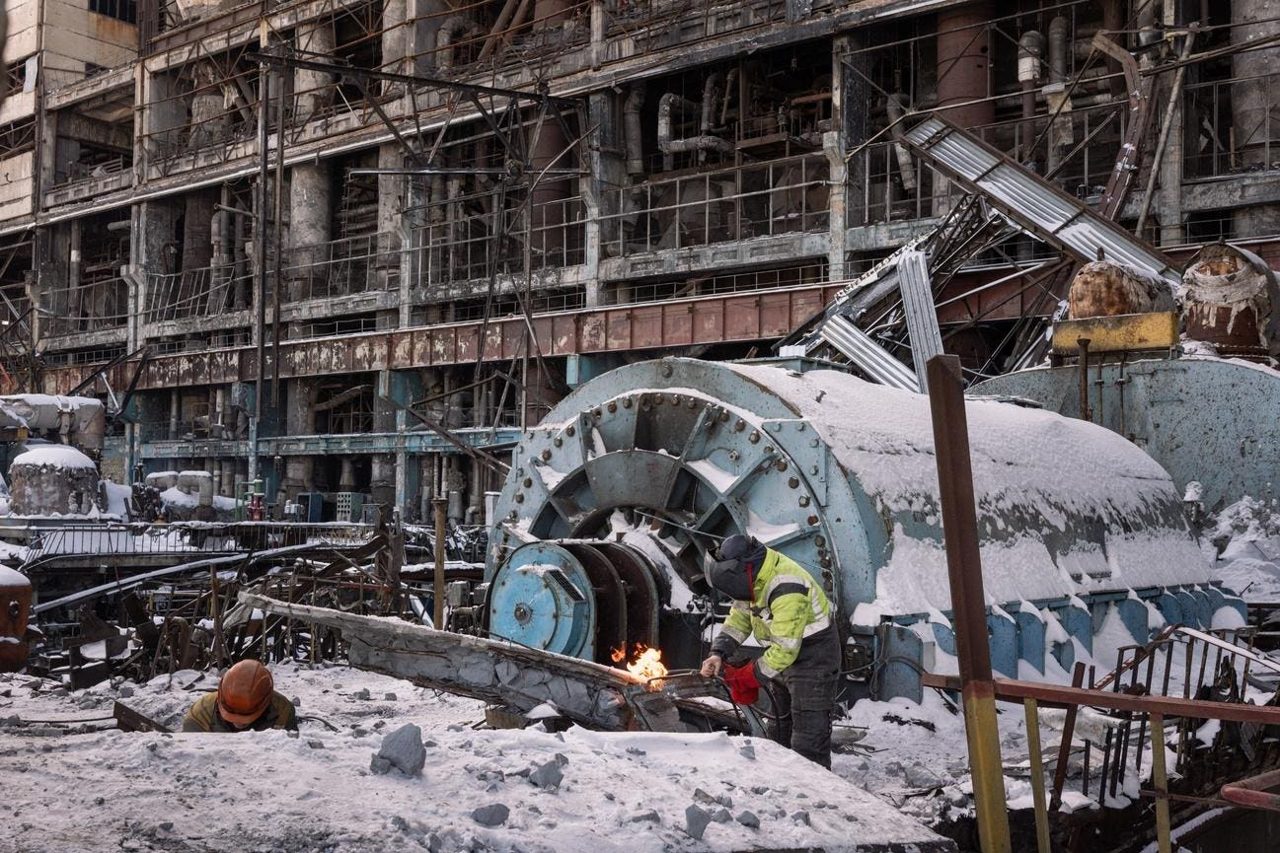
A post-war peace deal will not restore Russia's energy dominance, but the prospect of salvaging multi-billion-dollar stranded assets is already prompting quiet re-engagement from Western oil majors and service companies.
Western energy companies are quietly positioning for a return to Russia, driven by the need to salvage massive stranded assets. A post-war settlement will not restore Moscow’s status as a trusted global energy superpower, but the financial pull for some majors remains overwhelming.
BP still holds a 19.75% stake in Rosneft with a written-off book value of roughly $25 billion. ExxonMobil, which wrote off $4.6 billion when expelled from Sakhalin-1, is already in quiet talks with Rosneft. These discussions follow a 2025 decree by Vladimir Putin allowing foreign companies to reacquire equity in operating entities.
Shell and Equinor, which wrote off roughly $5 billion and $1.08 billion respectively, also have strong commercial incentives to return. TotalEnergies is another candidate, having exited Arctic LNG 2 in June 2026 while retaining other Russian upstream interests. The French government's historically accommodating stance toward Moscow could smooth TotalEnergies' path.
Oilfield services companies face fewer political hurdles and are expected to move first. SLB, Halliburton, and Baker Hughes possess the drilling and enhanced-recovery technologies required by Russia’s aging Western Siberian fields. Their return would present a direct test of Western strategic priorities regarding Moscow's coffers.
Any corporate comeback will occur alongside permanently altered global supply chains. The EU formally banned all Russian gas imports in January 2026, replacing them with suppliers like the US, which accounted for 63% of EU LNG imports in the first quarter of 2026. European governments have permanently abandoned the concentrated dependence that once made the continent vulnerable.
Russia still accounted for about 12% of European gas in 2025, sitting second in EU LNG imports at 13% in early 2026. However, the phase-out concludes by the end of 2027. Nigeria has already overtaken Qatar for third place in the EU market.
Asia’s response to a peace deal will be asymmetrical. China is likely to increase purchases to deepen its economic leverage over a weakened Moscow, accelerating its penetration into the Russian Far East and Eastern Siberia. India, meanwhile, will abandon discounted Russian crude as prices normalize, reverting to Middle Eastern and East African suppliers.
The market share Russia loses will be captured by expanding rivals like Guyana, Namibia, and Mozambique, as well as a recovering Venezuela under President Delcy Rodríguez. Moscow is already rationing fuel at home and will exit this conflict economically fragile and structurally distrusted. For markets, the end of the fighting marks a final scramble for the territory Russia has vacated.