Nigeria rate cuts leave $200bn SME credit gap unfixed
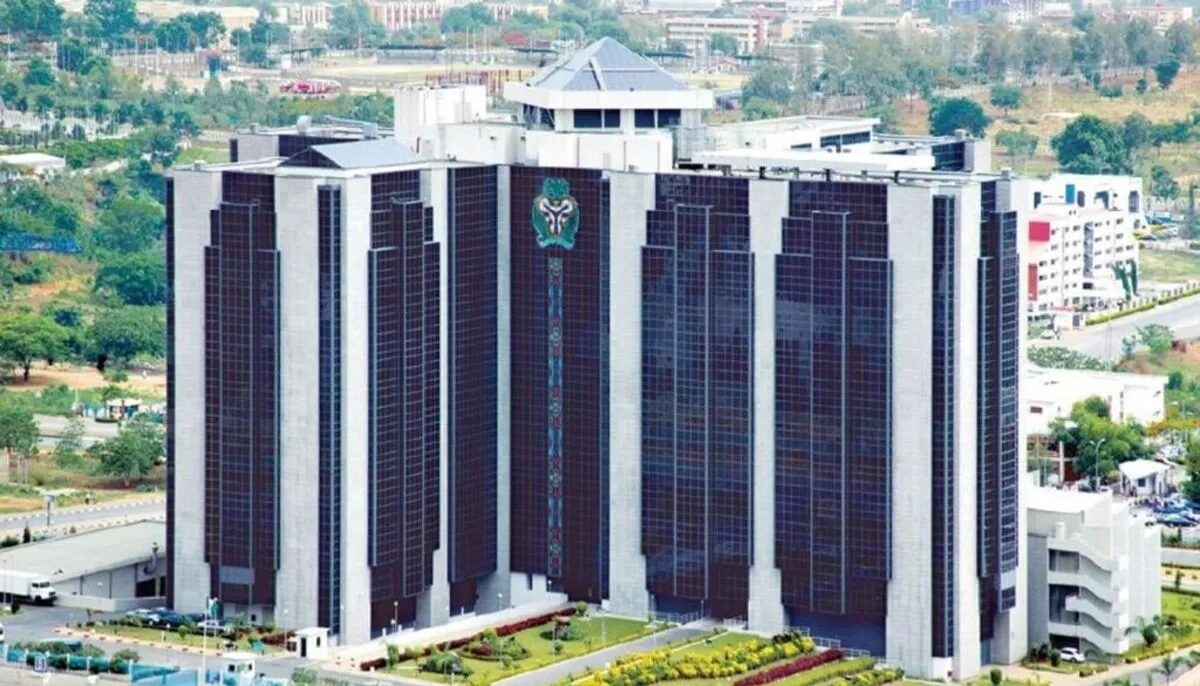
The Central Bank of Nigeria has begun cutting interest rates after taming inflation, but a $200 billion SME financing gap persists because government borrowing continues to crowd out private sector lending.
The Central Bank of Nigeria (CBN) cut its Monetary Policy Rate (MPR) to 26.50% in February 2026, marking the first reduction after a tightening cycle that pushed the rate to a peak of 27.50%. Headline inflation has responded, falling from 34.80% in December 2024 to 15.91% as of June 2026. Food inflation, however, remains sticky at 17.52%.
Yet, lower policy rates have done little to unlock capital for the real economy. Domestic credit to Nigeria's private sector remains stuck at roughly 13% of GDP, trailing Kenya at 32% and South Africa at over 70%. For commercial banks, lending to small businesses at 28% to 46% remains far less attractive than buying sovereign debt yielding 20% to 21%.
During the aggressive 2024 tightening phase under Governor Olayemi Cardoso, banks accumulated N5.05 trillion in government securities while shutting off SME lending. The crowding-out effect persists because the 2026 federal budget carries an estimated ₦20 trillion deficit. At that scale of government borrowing, even a declining MPR cannot liberate commercial banks from the pull of risk-free sovereign paper.
This monetary strategy also misdiagnosed the inflation itself. Price surges were driven by supply shocks, the 2023 fuel subsidy removal, naira depreciation after FX unification, and agricultural insecurity, rather than excess demand. Rate hikes therefore crushed productive businesses instead of the FX round-trippers they were designed to target.
The informal sector has effectively given up on formal credit. Roughly 40 million micro, small, and medium enterprises account for over half of GDP and 92.3% of employment, yet a 2024 PwC survey found only 4% access formal bank loans. Moniepoint’s 2025 report notes 51% of informal businesses have never taken a formal loan and do not intend to, up from 30% the prior year. Estimates put the resulting financing gap at over $200 billion.
Closing this gap requires interventions beyond the MPC's scope. The necessary steps include fiscal consolidation to reduce the government's borrowing requirement, capitalising existing development finance institutions at a scale proportionate to the shortfall, and operationalising the movable collateral registry so firms can borrow against inventory. Projections suggest combining an MPR around 18% by 2028 with these reforms could lift formal SME credit access to 20% by 2030.