Nigeria says N80tn debt rise driven by naira fall, not borrowing
Nigeria's finance minister explained that a reported N80 trillion surge in national debt is largely an accounting artifact of naira devaluation, offering clarity to sovereign investors on the country's true fiscal trajectory.
The Nigerian government has pushed back against claims that it borrowed N80 trillion over the last three years, attributing the dramatic increase in the country's reported debt stock to currency translation effects and the formalisation of legacy central bank liabilities.
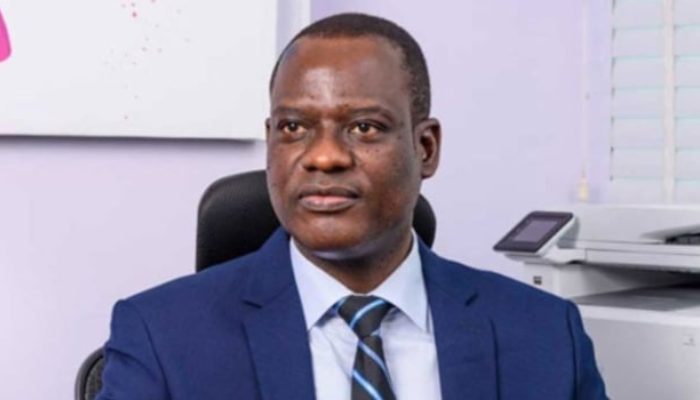
Finance Minister Taiwo Oyedele told the Senate Committee on Finance that the Tinubu administration inherited roughly N75 trillion in public debt. For international investors tracking Nigeria's sovereign risk, a direct comparison of that inherited figure to current totals is highly misleading because it ignores the structural impact of the naira's depreciation on foreign currency obligations.
Because Nigeria reports its aggregate debt in local currency, the significant devaluation of the naira forced a steep revaluation of external debt. “That accounting adjustment alone added more than N40 trillion to the public debt figure,” Oyedele said. This dynamic is critical for bondholders to understand, as the underlying dollar-denominated debt did not increase, even though the local currency burden and debt-service metrics did.
A second major factor inflating the headline figure was the National Assembly-approved securitisation of Ways and Means advances from the previous administration, which added roughly N33 trillion to the official books. “It was not new borrowing; it was simply bringing previously existing obligations onto the official debt books,” Oyedele noted. These advances had previously existed off-balance-sheet.
Stripped of these accounting adjustments, the actual new borrowing undertaken by the current administration is far lower than public perception suggests. Oyedele noted that much of the government's domestic borrowing activity has been dedicated to refinancing maturing debt rather than expanding the net obligations of the state.
The minister framed the administration's strategy as fiscally cautious, targeting infrastructure investments intended to stimulate economic growth. “We see debt as leverage. Every naira and every dollar borrowed should generate more value than the amount borrowed,” he said.
While the debt clarification may alleviate concerns about unchecked sovereign expansion, lawmakers raised separate, pressing alarms regarding the slow execution of the 2026 capital budget. Senate Chief Whip Tahir Monguno warned that the failure to implement capital spending plans equates to a serious constitutional breach, highlighting a disconnect between federal borrowing and actual economic stimulus.
In response, Senate Finance Committee Chairman Sani Musa indicated that the executive and legislative branches have agreed on measures to unblock project spending. The government is actively considering a shift to a “performance-and-priority-based budgeting system” to replace the current envelope system and expedite payments to contractors.