Nestle Brazil to spend $106m upgrading São Paulo nutrition plant
Nestle Brazil is investing $106 million through 2028 to automate and expand its largest inland factory, a bet on countercyclical nutrition products that challenges the prevailing narrative of Brazilian deindustrialization.
Nestle Brazil will invest R$540 million, or roughly $106 million, through 2028 to expand its factory in Araçatuba, a city of 200,000 people located 530 kilometers northwest of São Paulo. The capital injection targets the company’s largest domestic facility by net revenue, a site it has operated since 1963. The spending will fund increased production capacity and the integration of Industry 4.0 systems and AI-driven automation.
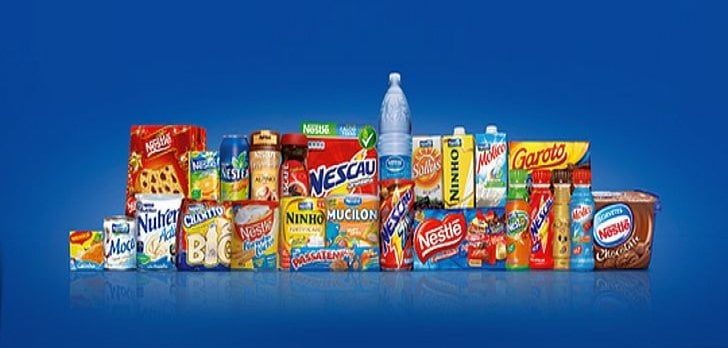
The Araçatuba plant produces over 180 items, generating 150,000 tons of goods annually across 175 varieties. Its output is heavily weighted toward high-margin, non-discretionary nutrition, including infant formulas like NAN Pro 1 and 2, medical nutrition under the Nutren brand, and dairy staples such as Molico milk powder. This product mix targets demographic needs, birth rates, aging, and clinical requirements, that are largely immune to broader economic cycles.
While the factory supplies the domestic Brazilian market, it also exports to Latin America and the Middle East. This geographic diversification provides a natural hedge for the company’s revenue stream, reducing its reliance on domestic consumer sentiment. Investors will be watching whether the modernization drives higher export volumes, which would confirm the inland site can compete globally on quality rather than cost.
The investment leans on precision manufacturing rather than cheap labor, reflecting a broader shift in global supply chains. Multinationals are increasingly using automation to bring production closer to end consumers instead of chasing the lowest wages. By upgrading an interior location rather than a congested coastal megacity, Nestle is betting that advanced manufacturing has a viable future outside traditional industrial hubs.
The facility currently employs roughly 800 people directly, with 80% recruited locally, alongside 200 indirect employees and an estimated 2,000 additional regional jobs. Upgrades rolled out through 2028 are likely to increase demand for skilled technicians and engineers in mid-sized cities. Local authorities will probably use the commitment to attract other multinationals seeking industrial sites with established infrastructure and a trained workforce.