Petrobras eyes mining return to hedge energy transition
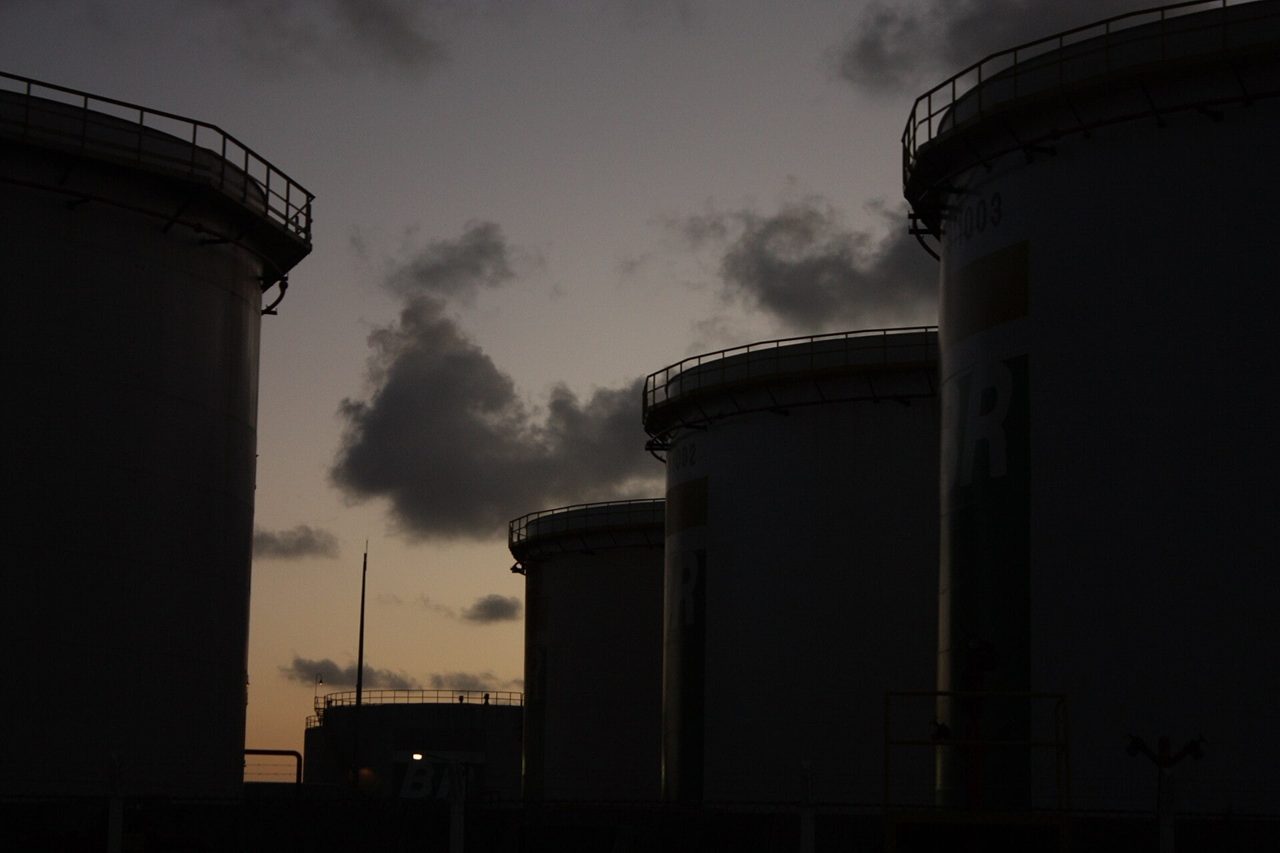
Brazil’s state-controlled oil giant is studying a return to critical minerals and potash extraction to diversify beyond fossil fuels, though any actual mining remains years away.
Petrobras is evaluating a return to the mining sector for the first time since 1990, targeting potassium, uranium, and critical minerals such as rare earths, niobium, and lithium. The initiative, driven by President Magda Chambriard, aims to reshape the state-controlled oil major into a broader energy and resources company.
A formal re-entry would effectively end the "Link doctrine," a strategic focus on offshore oil established by geologist Walter K. Link in 1961 that culminated in the 1990 closure of its Petromisa subsidiary. Petrobras still holds dormant concessions in the Amazon, including eight potash mining rights and 22 research requests that it unsuccessfully tried to sell in 2022.
Rather than becoming a generalist miner, the company is looking at areas where its existing capabilities translate directly. Potash extraction offers a natural bridge to its current gas-to-ammonia and urea operations. On June 22, 2024, Petrobras signed a cooperation agreement with Brazil’s national development bank, BNDES, to jointly study critical mineral opportunities.
Discussions suggest a tripartite operating model. Petrobras would supply engineering know-how and infrastructure, BNDES would provide equity financing, and mining giant Vale would handle operational expertise. Analysts note this structure limits direct capital exposure for the oil producer while keeping it anchored to high-synergy segments like fertilizers and battery metals.
For Brazil's economy, the move could address a significant strategic vulnerability. The country imports more than 90% of its potash, leaving its agricultural sector exposed to global supply shocks. Deploying Petrobras’ logistical and environmental licensing capabilities to develop domestic reserves could reduce this reliance over the long term.
Investors should not expect an imminent transformation. The current phase is strictly research-focused and capital-light, centered on opportunity mapping and building strategic optionality. Furthermore, restarting mining operations would require amending Petrobras’ corporate charter, a lengthy process involving public hearings, board votes, and government approvals that will unfold over months or years.