Tokenized stock trading takes off overseas as Goldman, other U.S. companies object
Tokenized stocks are gaining momentum in international markets, even as major U.S. companies are pushing back against efforts to introduce them domestically.
Trading in so-called tokenized stocks is gaining momentum in international markets, even as major U.S. companies are pushing back against efforts to introduce them domestically.
Trading activity around blockchain-based versions of traditional financial assets including equities is growing, according to the latest quarterly staking report by Bitwise Asset Management, published Tuesday. On Robinhood Chain, the brokerage firm's newly launched network for users and AI agents to trade various assets onchain, tokenized stocks volume surged from $526 million in July to $2.21 billion in August, then rocketed to $11.31 billion in September.
In the same quarter, non-crypto markets made up 36.5% of Hyperliquid's perpetuals volume, up from 32.7% in the previous quarter. Also, tokenized equities were the fastest-growing category on Solana.
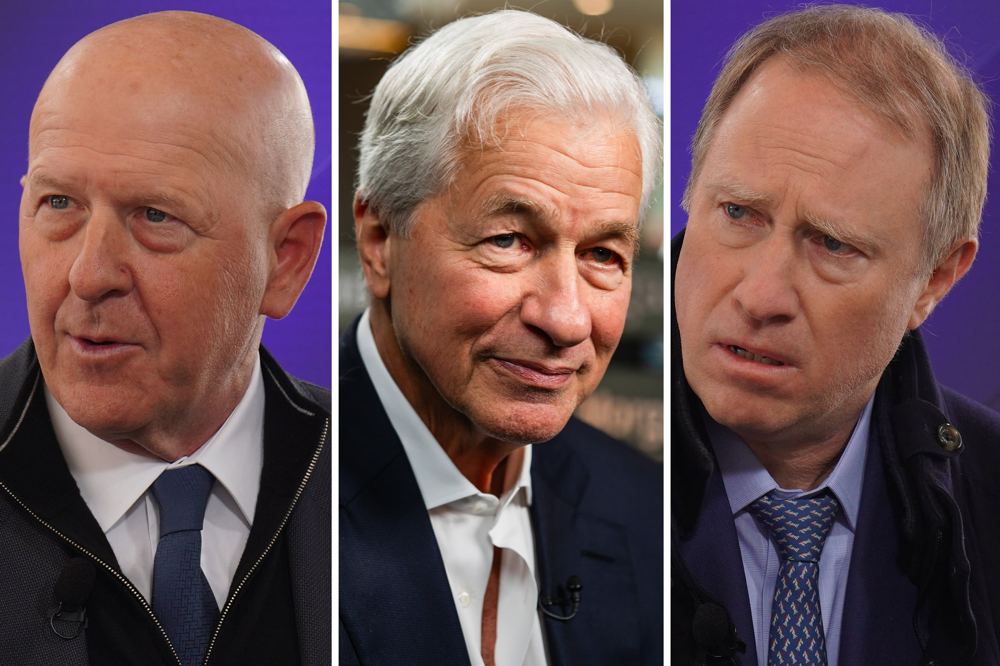
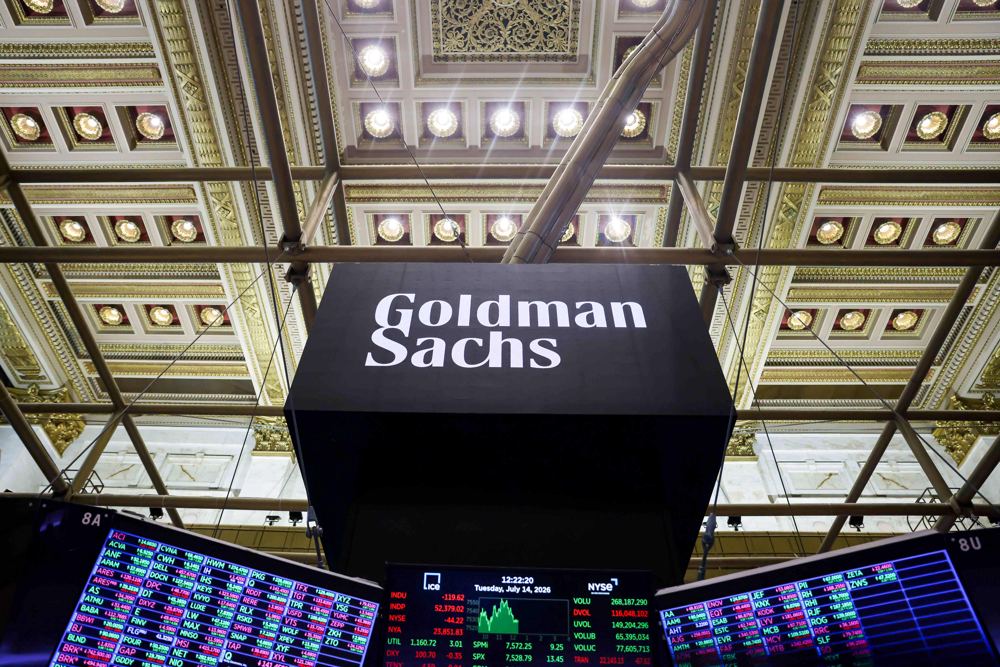
Meanwhile, Goldman Sachs , Microsoft , Qualcomm , Caterpillar , McDonald's , Western Digital and Alphabet have objected to having tokenized versions of their shares traded on the OKXICE platform, the tokenized securities venue jointly launched the crypto exchange OKX and New York Stock Exchange parent Intercontinental Exchange.
OKXICE disclosed the company objections in a public notice Monday, adding them to a group of earlier objectors including CoreWeave , UnitedHealth , Broadcom , Applied Digital , AppLovin and Cerebras .
The contrast highlights a growing debate and challenge for the crypto industry: how to convince companies that tokenized trading of their stock is worth embracing. Tokenization, the process of issuing digital representations of publicly traded securities, real world assets or any other form of value on a blockchain network, has become a major topic of interest in the market given the potential for blockchain technology to improve accessibility and liquidity across financial assets.
It's also raising questions about what rights tokens should provide for holders. The debate centers on whether investors should receive the same economic and shareholder rights as they would with traditional shares, particularly voting rights. The issue first came into focus in September after a public fight between the CEOs of Robinhood and AMC over Robinhood's stock-token model.
Trading of tokenized equities is currently concentrated overseas, where tokenized products are more widely available. Crypto industry watchers are monitoring whether adoption picks up in the U.S., however, after the SEC last month put out an innovation exemption creating a temporary pathway for tokenized stocks in the U.S., which requires that companies be able to object to having their shares represented as tokens.
"The divergence comes down to what's actually being traded. Offshore, most of this activity is price exposure through onchain perps and wrapped tokens that never needed a company's permission, while the U.S. framework is trying to put real shares onchain, and that gives issuers a say," said Mirza Uddin, chief operating officer of Injective.
"Right now companies like Goldman and Microsoft see all of the risk and none of the upside, a token they don't control trading 24/7 with unclear voting rights," he added. "Until the industry shows issuers what they gain, a global shareholder base and a market that never closes, the growth will keep happening abroad while the U.S. debates permission slips."
ClearStreet analyst Owen Lau said companies may not yet realize the full benefits of tokenization and that he expects some will eventually embrace it.
"Some companies will say yes or will not object to this because of the benefits … the expanded investor base, 24/7 [access], increased distribution channel. Some of the beaten down stocks with low trading volume could be good candidates," he said.
Additionally, companies would also benefit from greater visibility, direct dividend payments and cost savings, Lau explained. For investors, tokenized assets can also act as collateral for decentralized finance (DeFi) platforms, offering them more flexibility and control.
"This is a very natural response. The model was designed to give companies the right to determine whether they want to opt in or opt out. We always anticipated that, because this is such a dramatic and revolutionary change, many companies would want to wait and see how it goes rather than be the first to participate," Andrew Cuomo, co-chairman of OKXICE, said in a statement.
"The SEC model is designed to accommodate both approaches," he added. "There are limits on how many companies can participate and on the volume that can be traded ... You'll see both responses, depending on the company, its appeal to a global market, and the venue it chooses."
As of Wednesday, 16 companies have objected to having tokenized versions of their shares traded on OKXICE. That doesn't mean they or others will object to tokenization by every company involved, but they highlight resistance to having shares traded through this particular model and venue.
OKXICE originally disclosed on Oct. 4 that it would make more than 60 tokenized stocks available for trading on its platform. Per the SEC's innovation exemption, the venue must notify the companies of its intention to tokenize their shares, then wait 30 days after a company receives the notice to start trading the token.
"The divergence is not driven by U.S. versus non-U.S., it's driven by investors versus issuers," Lau said. "There is demand globally … This is where the industry can provide better articulation on the benefits to issuers they could actually capture, were they to tokenize their equities."