Hangzhou Luxury Property Sales Hit Records on Tech Wealth
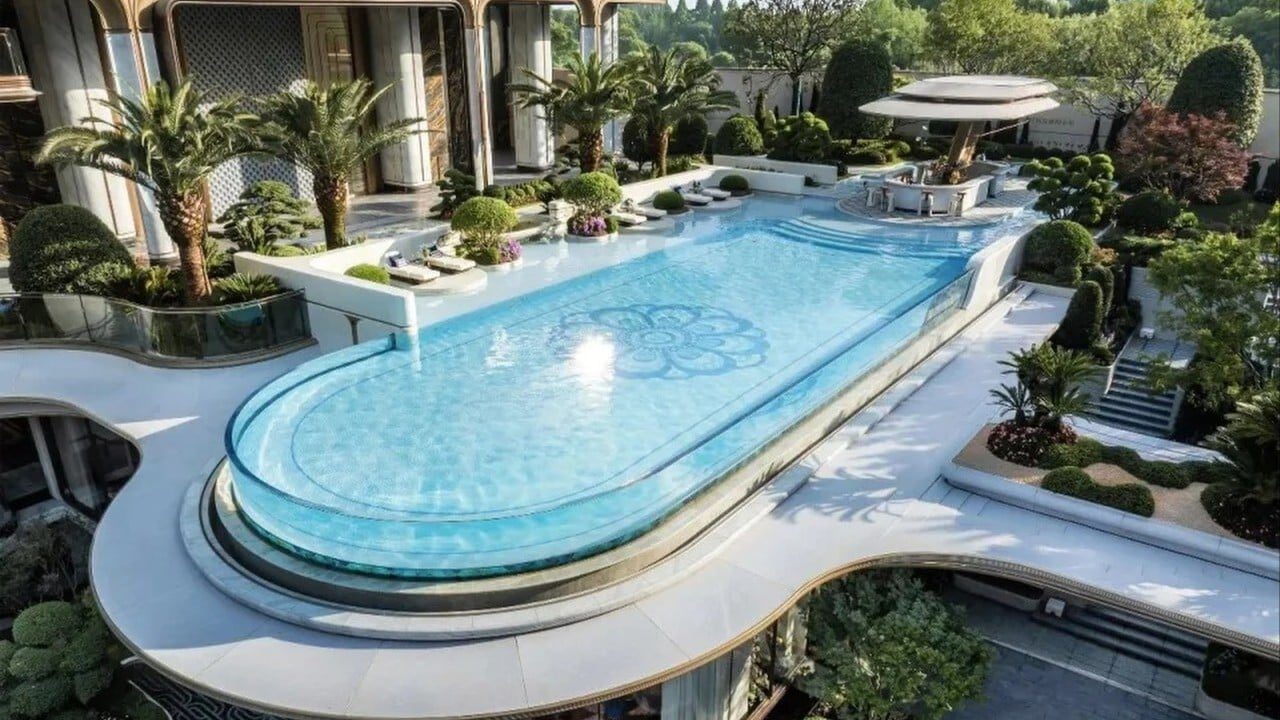
A $496 million sell-out of luxury flats in Hangzhou highlights how China's artificial intelligence and e-commerce boom is translating into tangible real estate wealth.
A high-end residential development in Hangzhou sold out its initial 66 units on July 16, generating 3.36 billion yuan ($496 million) in total sales. The Wangtianji project saw fierce competition, with seven to eight bidders vying for each prime riverfront apartment. A 624-square-metre duplex penthouse in the complex fetched 152 million yuan, or 243,900 yuan per square metre, establishing new city benchmarks for both total price and unit cost.
The buyers driving this demand averaged just 39 years old. This demographic primarily represents wealth generated recently in technology sectors, particularly artificial intelligence, alongside finance and traditional businesses. The injection of this so-called new money is rapidly reshaping the upper limits of the city's premium real estate market.
The Wangtianji launch is not an isolated event but part of a pronounced market surge. In the first half of 2026, Hangzhou recorded 480 luxury home transactions priced above 20 million yuan. According to local agency data, this volume represents a 10-year high for the city's top-tier property segment.
For market participants, this real estate frenzy serves as a direct barometer of capital accumulation in China's advanced technology sector. Hangzhou functions as the country's primary e-commerce and AI stronghold. It houses the headquarters of internet titan Alibaba Group Holding, robotics company Unitree, and AI firm DeepSeek. When startups and established tech firms in these industries generate outsized returns, the resulting wealth is rapidly converted into hard assets.
These pricing dynamics offer a stark contrast to broader concerns about China's macroeconomic property slump. While mass-market residential real estate across the country continues to face severe headwinds from oversupply and weak consumer confidence, the ultra-luxury tier remains highly insulated. It is instead directly tethered to the financial performance of high-growth industries rather than traditional macroeconomic credit cycles.
For investors tracking the health of China's private sector, localized luxury property indicators provide tangible proof of cash flow. The fact that record-breaking prices are being driven by young AI and technology professionals demonstrates that value creation in the country's cutting-edge industries remains robust, even as the broader national real estate market continues to struggle.