Arvind Fashions profit rises 11% on direct channel push
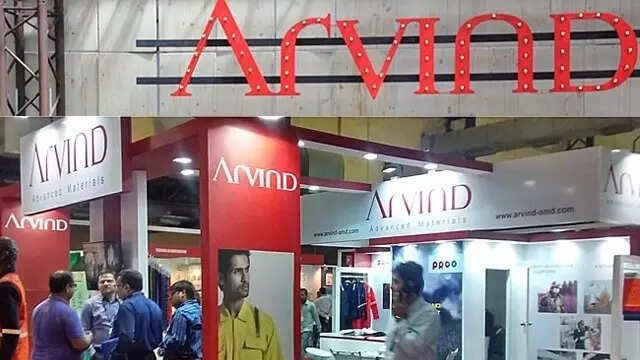
Arvind Fashions grew first-quarter revenue by 15.5% by shifting toward direct-to-consumer sales, though rising expenses slightly diluted margins and the company flagged geopolitical risks.
Arvind Fashions reported an 11% increase in first-quarter net profit to Rs 27.61 crore, up from Rs 24.86 crore in the year-ago period. Revenue from operations climbed to Rs 1,278.5 crore, representing a 15.5% increase from Rs 1,107.31 crore previously.
This top-line expansion was driven by a deliberate shift toward direct-to-consumer distribution. Direct channels now generate 62% of the company's total revenue, marking a significant structural change in how the retailer reaches its customers.
The operational metrics within these direct channels show strong organic demand. The company posted an 11.6% like-for-like growth rate across its physical retail footprint. Simultaneously, its online business-to-consumer sales surged by 38%, indicating accelerating digital adoption.
However, scaling this direct footprint weighed on profitability. Total expenses rose 15% to Rs 1,245.48 crore, up from Rs 1,083.02 crore. Because cost growth essentially matched revenue growth, the company's net profit margin contracted slightly from 2.24% to 2.16%.
For investors, this divergence between top-line and bottom-line growth rates is the critical takeaway. While absolute profit increased, the 11% profit growth lagged the 15.5% revenue growth, suggesting the incremental direct-channel sales carried lower initial profitability than the legacy business.
Management has signaled it will continue prioritizing retail and direct business-to-consumer expansion over near-term margin maximization. The strategic bet is that scale in these channels will eventually yield operating leverage.
External factors could complicate that timeline. The company specifically highlighted the ongoing conflict in West Asia as a risk factor to monitor. For an apparel and textile business, this geopolitical tension introduces potential volatility into raw material sourcing, input costs, and broader supply chain logistics. Any disruption to these operations could further pressure the already tight margins as the company attempts to scale its direct channels.