Ghana Restates Plan to End Raw Ore Exports
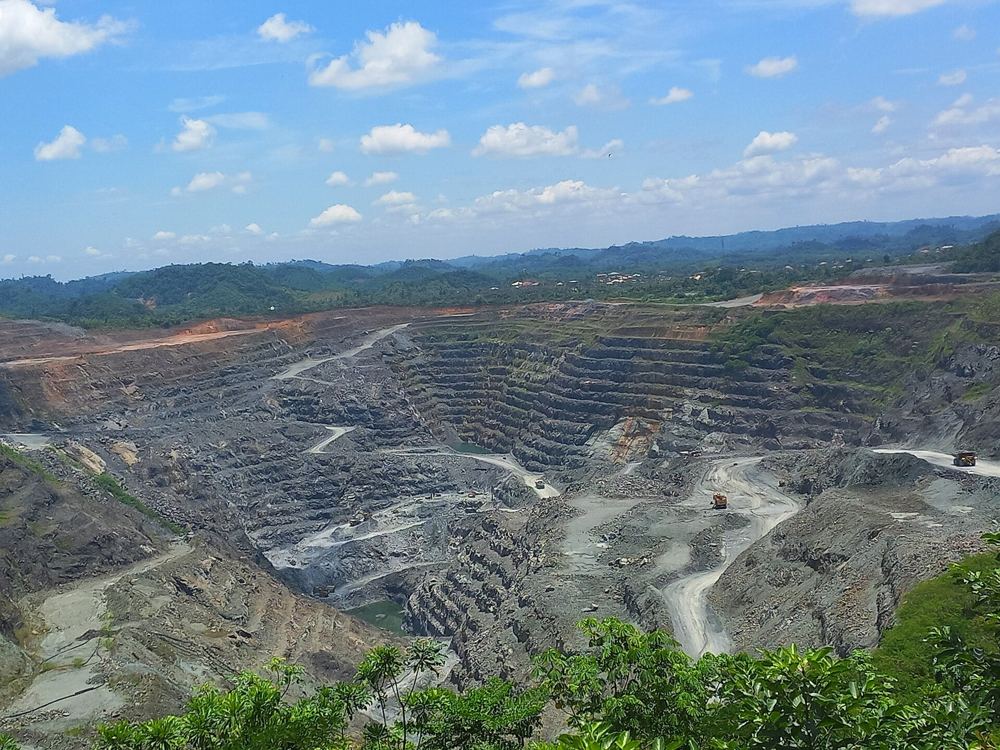
President John Dramani Mahama said on 19 October that raw mineral ores should no longer leave Ghana by 2030, but no law or timetable has been published. The post Ghana Restates Plan to End Raw Ore Exports appeared first on The Rio Times .
, Who President John Dramani Mahama of Ghana, speaking at the Mining in Motion conference., What Ghana will pursue a phased prohibition on exports of unprocessed mineral ores, with 2030 as the target year., When Monday, 19 October 2026. The hour of the speech was not reported., Minerals Mahama named bauxite (the ore for aluminium), manganese, iron and lithium. Gold is handled separately through a refining policy., Status A presidential target. No law, regulation or minerals list has been published for the ban.
Ghana’s president restated on Monday that raw mineral ores should no longer leave the country by 2030. John Dramani Mahama told the Mining in Motion conference that his government will pursue a phased ban on exports of unprocessed ores.
For US manufacturers and traders that buy African ore, the target points to a future in which Ghana sells processed metal rather than rock. It is a goal for now, not a law, and Mahama first set the 2030 deadline in February.
“I’ve set a clear goal that by 2030, raw mineral ores should no longer leave our shores,” Mahama said, according to Citi Newsroom. He added that investors “must understand the processing obligations associated with access to our resources.”
Mahama said the phased ban would be “supported by the necessary legal measures, mineral-specific requirements, and transparent implementation timetables”. Citi Newsroom reported from his February speech in Addis Ababa that the deadline then covered bauxite, manganese and iron ore.
Mahama named bauxite, manganese, iron and lithium as minerals that must support local processing. He also said African ores should leave ports as finished goods such as electric-vehicle batteries, cables, transformers, aluminium parts and rare-earth magnets.
Gold is on a separate track. The Ghana Gold Board, known as GoldBod, and the government’s gold refining policy aim to widen domestic assaying and refining rather than prohibit exports.
The president said the government has already banned exports of iron scrap and non-ferrous metals. He cited the Ghana Integrated Aluminium Development Corporation, which links bauxite to alumina and aluminium, and the Ghana Integrated Iron and Steel Development Corporation.
Separately, the government is pursuing a modernisation of the Volta Aluminium Company, the country’s aluminium smelter, through the aluminium corporation. On 15 July, Lands and Natural Resources Minister Emmanuel Armah-Kofi Buah said Cabinet had approved a revised minerals and mining policy and amendments to the Minerals and Mining Act for submission to Parliament.
Reports on the conference say its theme was aligning Africa’s mineral future behind one voice. Mahama urged African states to process minerals at home instead of shipping them out raw.
Ghana is among Africa’s largest gold producers and also exports bauxite and manganese. A binding ban would change who captures the value of those exports, and which plants abroad lose a supply of raw ore.
Buyers of bauxite, manganese or lithium that depend on Ghanaian supply should expect pressure to invest in processing in Ghana. Investors with exposure to Ghana mining should watch the draft law and the timetable for each mineral.
Rules that start as presidential targets often shift before they become law. The 2030 date gives companies four years, but the detail will decide who can adapt.
No law, parliamentary vote or signed order for the export ban has been reported. The legal definition of “raw” or “unprocessed” ore, any exemptions and the order in which minerals would be covered are not yet public.
It is unclear whether partly processed products such as mineral concentrates would count as processed. We found no reaction to the October speech from mining companies, Parliament or trade unions, and no estimate of the effect on export earnings.
Citi Newsroom, 19 October · MyJoyOnline · Ghana Business News · Citi Newsroom, February · Ghana News Agency, July Cabinet approval
Africa: The New Scramble, why the world’s powers are competing for the continent
Editorial responsibility: Matthias Camenzind , Editor-in-Chief · Editorial standards · Report an error
No, the target covers unprocessed mineral ores, not every mineral in every form. Gold is handled separately through the Ghana Gold Board and a refining policy.
He named bauxite, manganese, iron and lithium. A full list of covered minerals has not been published.
No, it is a presidential target as of 20 October 2026. The government says legal measures and timelines will follow.
Ghana has already banned exports of iron scrap and non-ferrous metals, according to the president. Gold is on a separate refining track.